

 English
  中文简体
中文简体 
Choosing the Right Flexible Packaging Materials for Food Products: Why BOPP Leads the Market
 2026.05.21
 Industry News
Introduction: The Unmatched Rise of BOPP in Food Packaging
In the dynamic world of manufacturing flexible packaging, material selection dictates everything—from shelf life and brand presentation to production efficiency and environmental footprint. Among the vast array of options, one material consistently outperforms alternatives: biaxially oriented polypropylene film. The global market for BOPP films for packaging was valued at approximately $31.8 billion in 2024 and is projected to reach $45 billion by 2030, growing at a compound annual growth rate (CAGR) of 6%[reference:0]. This trajectory is not accidental. Driven by the relentless expansion of FMCG demand and e-commerce—where total U.S. online sales alone reached $1.11 trillion in 2023—the need for lightweight, durable, and visually appealing packaging has never been more acute[reference:1].
This technical guide explores why BOPP has become the gold standard among flexible packaging materials for food products. We will dissect the tenter frame production process, analyze critical performance metrics like tensile strength and dyne level, examine specialized variants from pearlized films to heat-sealable structures, and address the industry’s urgent pivot toward mono-material recyclable solutions.
Part I: Understanding the Science of Biaxial Orientation
Before selecting a packaging film, converters and brand owners must understand how a film is made. The dominant technology for bopp film production is the tenter frame process, a sophisticated method that aligns polymer chains in two perpendicular directions to unlock superior mechanical properties[reference:2].
The Tenter Frame Process: A Stage-by-Stage Breakdown
- Raw Material Feeding & Extrusion: Isotactic polypropylene homopolymer is combined with functional additives—slip agents, anti-block particles, and antistatic compounds—then melted at temperatures between 200°C and 230°C. Filtration removes microscopic contaminants that could otherwise cause web breaks during orientation[reference:3].
- Chill Roll Casting: The molten polymer is extruded through a flat die onto a chilled drum. Rapid quenching produces a thick, amorphous cast sheet with controlled crystallinity, essential for uniform subsequent stretching[reference:4].
- Machine Direction Orientation (MDO): The cast sheet passes over heated rollers rotating at progressively faster speeds, stretching the film lengthwise by a ratio of 4:1 to 5:1. This aligns polymer chains in the machine direction, dramatically increasing tensile strength[reference:5].
- Transverse Direction Orientation (TDO): The film enters the stenter oven, where its edges are gripped by clips on diverging chains. Widthwise stretching reaches ratios of 8:1 to 10:1, with final thicknesses typically ranging from 12 to 60 microns. BOPP film produced via this method exhibits anisotropic properties—higher strength and lower elongation in the machine direction compared to the transverse direction[reference:6].
- Annealing & Surface Treatment: Heat-setting relieves internal stresses, preventing shrinkage during downstream converting. A corona discharge then raises the film's surface energy to a dyne level sufficient for printing and lamination[reference:7].
Part II: Critical Technical Parameters for Food Packaging Selection
When evaluating flexible packaging materials for food products, four technical parameters demand rigorous attention: barrier performance, mechanical strength, seal integrity, and surface wettability.
Tensile Strength and Elongation
Tensile strength and elongation determine a film's ability to withstand converting stresses and end-use handling. Biaxial orientation imparts high tensile strength that facilitates high-speed conversion on vertical form-fill-seal (VFFS) and horizontal flow-wrap machinery[reference:8]. A typical BOPP film exhibits tensile strength in the range of 100-200 MPa in the machine direction, with elongation at break between 60-120%. This balance ensures the film resists puncturing during packaging of irregular snacks while maintaining enough flexibility for secure seals.
Surface Tension and Dyne Level
Surface tension / dyne level is perhaps the most critical factor for downstream printability and lamination. Untreated BOPP has a naturally low surface energy of approximately 32 dyne/cm, insufficient for adhesion of most inks and adhesives[reference:9]. Corona treatment bombards the surface with high-voltage discharge, creating polar carbonyl groups that raise the dyne level to between 38 and 42 dyne/cm[reference:10]. For solventless lamination, a minimum requested surface tension value of 42 dyne/cm is recommended[reference:11]. The effect, however, is transient: treated BOPP should ideally be converted within 48 hours, after which the surface energy degrades back toward its native level.
Heat Sealable BOPP Film and Co-extrusion
Heat sealable BOPP film is typically produced via co-extrusion, where a skin layer of random copolymer polypropylene with a lower melting point is combined with a homopolymer core. This structure enables seal initiation temperatures as low as 65-85°C without sacrificing the film's mechanical backbone[reference:12]. Low-temperature sealing not only protects heat-sensitive products—chocolate, confectionery, bakery goods—but also reduces energy consumption on packaging lines and enables higher line speeds.
| BOPP Type | Key Property | Primary Food Application |
|---|---|---|
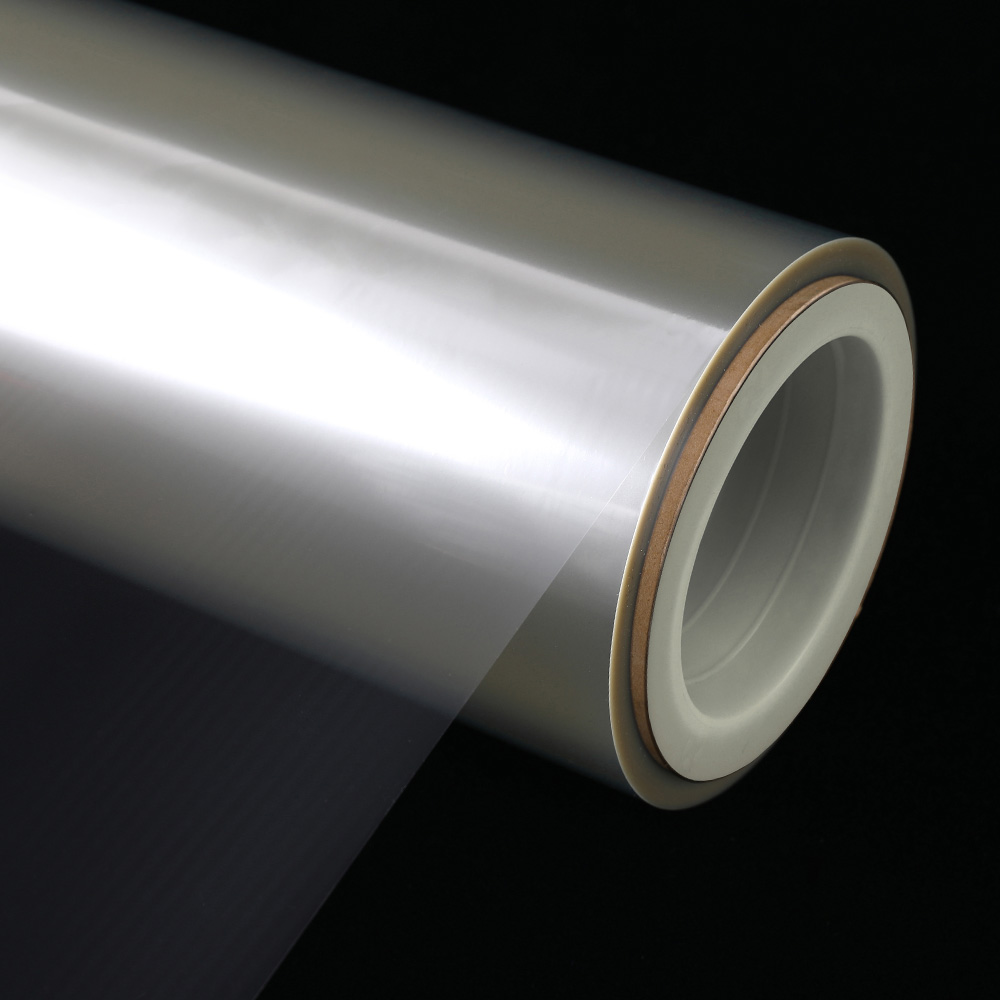
| Transparent/Glossy | High clarity, 38-42 dyne printability | Snack bags, bakery overwrap |
| Matte BOPP | Non-reflective, premium tactile feel | Premium confectionery, organic snacks |
| Pearlized BOPP | Opaque, pearl-like sheen, 0.7-0.9 g/cc density | Ice cream wrappers, frozen foods |
| Opaque White Film | High whiteness, UV-blocking, light barrier | Dairy products, light-sensitive snacks |
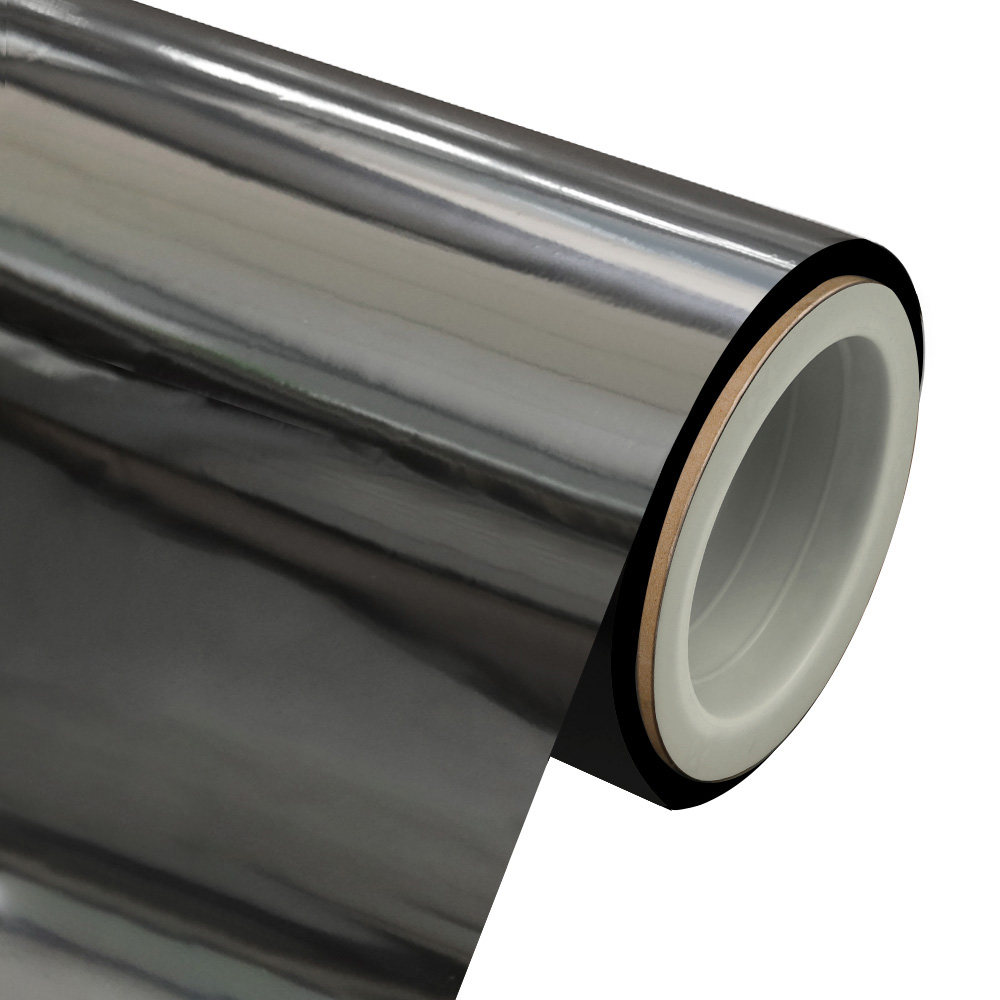
| Metallized BOPP | OTR <0.1 cc/m²/day, high moisture barrier | Coffee, chips, dehydrated meals |
Matte vs. Glossy BOPP: Aesthetic and Functional Trade-offs
The choice between matte vs. glossy BOPP involves more than visual preference. Glossy films, with surface gloss values typically exceeding 85%, offer superior ink holdout and color vibrancy, making them ideal for high-impact graphics on snack foods. Matte BOPP, conversely, diffuses light to create a non-reflective, paper-like texture that conveys premium brand positioning. However, matte films generally require higher dyne levels for adequate print adhesion due to their textured surface topography.
Part III: Extrusion Coating & Lamination and Converting Technologies
While single-web BOPP suffices for many dry-food applications, more demanding products require laminations. Extrusion coating & lamination bonds BOPP to other substrates—such as sealant webs of polyethylene (PE) or additional barrier layers—using molten resin as an adhesive. This technique enables the creation of multi-layer structures where each ply contributes a distinct function: BOPP provides stiffness and print surface, while a PE layer ensures hermetic seals and moisture resistance.
Stand-Up Pouch Manufacturing Using BOPP Laminates
Stand-up pouch manufacturing represents one of the fastest-growing segments within flexible packaging, with the global stand-up pouch market projected to reach between $15 billion and $35 billion by 2025 and grow at a CAGR of 5.5% to 8.5% through 2030[reference:13]. BOPP plays a central role in these structures as the outer web, providing:
- Print surface for high-resolution rotogravure or flexographic graphics.
- Mechanical stiffness to maintain pouch upright posture on retail shelves.
- Barrier against moisture and oxygen, extending product shelf life.
In typical three-ply stand-up pouch construction, BOPP serves as the outer layer, laminated to a metallized barrier layer (often aluminum or metallized PET) and an inner sealant web. Recent innovations have introduced transparent mono-material BOPP structures with water-based coatings that replace PVdC-coated films while maintaining medium-range barrier performance (water vapor transmission rate of 3 g/m²/day and oxygen transmission rate of 10 cc/m²/day)[reference:14].
Overwrap Film Applications in Snack and Confectionery
Overwrap film applications—where a thin BOPP layer encloses a primary carton or tray—demand unique film properties: low coefficient of friction (COF) for smooth machine flow, high clarity for product visibility, and shrink capability for a tight, wrinkle-free finish. For biscuit and chocolate overwraps, BOPP films with seal initiation temperatures as low as 65°C have been developed, enabling high-speed overwrapping lines to operate at up to 60 packs per minute without scorching heat-sensitive contents[reference:15]. Beyond food, BOPP adhesive tape raw material represents another significant market segment, leveraging the same biaxial orientation process to deliver consistent unwind tension and high tensile strength for pressure-sensitive adhesive coating.
Part IV: Sustainable Innovation—Mono-Material BOPP Solutions
The packaging industry faces unprecedented pressure to eliminate non-recyclable multi-material laminates. Traditional structures combining PET, aluminum foil, and paper layers are incompatible with existing recycling streams. In response, film manufacturers have pivoted toward mono-material, mechanically recyclable polypropylene-based laminates and single webs[reference:16].
Design for Recyclability
Emerging BOPP grades are engineered to replace PET films, barrier PET films, paper, and aluminum foils in dry-product applications[reference:17]. Transparent mono-material BOPP ranges with thin water-based coatings now conform to CEN EN 18120-7, the "design-for-recycling" standard issued in mid-April 2026[reference:18]. These innovations address two critical environmental goals simultaneously: extending food shelf life to prevent waste while enabling packaging to circulate within PP waste streams after use.
Surface Treatment Without Solvents
The shift toward recyclability has also driven advancements in surface treatment technology. While conventional corona treatment achieves a maximum surface tension of 46 dyne/cm on BOPP, newer plasma treatment technologies are being adopted to support water-based inks and adhesives, eliminating solvent-borne primers that compromise recyclability and worker safety[reference:19].
Part V: Snack Food Packaging Solutions and Real-World Performance
Snack food packaging solutions impose among the most stringent demands on flexible packaging materials. Snack products—chips, crackers, cookies, and confectionery—require protection against moisture pickup (which causes staling), oxygen ingress (which leads to rancidity), and light exposure (which degrades flavors and colors), all while maintaining high-speed form-fill-seal performance on automated lines.
BOPP meets these demands through a combination of intrinsic and enhanced properties. For moisture-sensitive chips and crackers, metallized BOPP provides water vapor transmission rates as low as 0.1 g/m²/day, effectively sealing out humidity over extended shelf lives of six to twelve months[reference:20]. For aromatic products like coffee and spices, acrylic-coated BOPP grades deliver excellent aroma barrier, preserving volatile flavor compounds without the need for aluminum foil layers that complicate recyclability[reference:21].
On high-speed horizontal flow-wrap lines producing snack bars or biscuit multipacks, BOPP's consistent coefficient of friction (typically between 0.3 and 0.5) ensures smooth film travel over forming collars, while seal initiation temperatures as low as 65°C prevent product deformation[reference:22]. Line speeds exceeding 250 packs per minute are routinely achieved with properly engineered BOPP structures.
FAQ: Frequently Asked Questions on BOPP Flexible Packaging
Q1: What is the main difference between BOPP and cast polypropylene (CPP) for food packaging?
BOPP undergoes biaxial stretching in both machine and transverse directions, which aligns polymer chains and significantly enhances tensile strength, clarity, and barrier properties compared to non-oriented cast polypropylene. CPP remains unstretched, offering better impact resistance and lower-temperature heat seals but inferior stiffness and moisture barrier.
Q2: How can I verify that my BOPP film has adequate dyne level for printing?
Use dyne test pens or inks calibrated to specific surface energy levels. After corona treatment, the dyne level should measure between 38 and 42 mN/m for water-based inks. Test immediately upon film delivery and again before printing, as treated surfaces can decay to native levels within 48 hours[reference:23].
Q3: Can BOPP stand-up pouches be recycled in existing plastic collection systems?
Yes, mono-material BOPP structures—where all layers are polypropylene-based without aluminum foil or PET—are mechanically recyclable through PP waste streams. Look for films certified to CEN EN 18120-7 design-for-recycling standards[reference:24].
Q4: What causes BOPP overwrap film to wrinkle during packaging?
Wrinkling typically results from incorrect seal temperature profiles, uneven tension across the film web, or insufficient annealing in the base BOPP. Ensure annealing has been properly executed to relieve internal stresses, and verify that packaging line tensions are uniformly distributed across the film width.
Q5: Is pearlized BOPP appropriate for frozen food packaging?
Yes. Pearlized BOPP contains micro-voids that create its distinctive opaque appearance and lower density (0.7-0.9 g/cc). This structure also provides enhanced flexibility at low temperatures, making it suitable for ice cream wraps and frozen confectionery.
Q6: How does extrusion coating compare to adhesive lamination for BOPP?
Extrusion coating applies molten resin directly onto the BOPP surface, creating a strong bond without solvents but offering fewer options for different sealant materials. Adhesive lamination uses water-based or solventless adhesives to bond pre-made films, providing greater flexibility in combining diverse substrates but at higher material and processing cost.

Are you ready to work with us?
Start a project
- Quick Links
- Company Profile
- Company Culture
- Qualification
- FAQ
- Product
- ALOx Films
- VMPET
- VMCPP
- VMBOPP
- Coated Film
- Contact Us
- Tel: +86-13456263964
-
Phone : +86-0573-87783633
Phone : +86-0573-87780583 - E-mail : [email protected]
- Address: 6th Xinhe Road, Xieqiao Town, Haining City, Zhejiang Province, China

