

 English
  中文简体
中文简体 
How ALOx and Metallized Films Deliver Superior Barrier Performance for Extended Product Shelf Life
 2026.06.04
 Industry News
10x OTR Improvement vs standard film
24+ mo Extended shelf life potential
0.001 cc/m2/day OTR (top ALOx grades)
30–40nm Typical ALOx coating thickness
The Science Behind Barrier Packaging Films
Modern food and pharmaceutical packaging faces a fundamental challenge: products degrade when exposed to oxygen, moisture, and light. The packaging film that wraps a product is not merely a container — it is an active shield against the molecular forces of deterioration. Two technologies dominate this protective landscape: high barrier flexible packaging using aluminum oxide (ALOx) coatings, and traditional metallized films using vapor-deposited aluminum layers.
Both approaches reduce gas permeation to levels far below what standard polyester or polypropylene films can achieve. But they differ significantly in transparency, recyclability, regulatory compliance, and performance under stress conditions such as flexing, heat, and humidity. Understanding these differences is essential for packaging engineers, procurement professionals, and product developers who need to specify the right film for a given application.
ALOx (Aluminum Oxide) Films
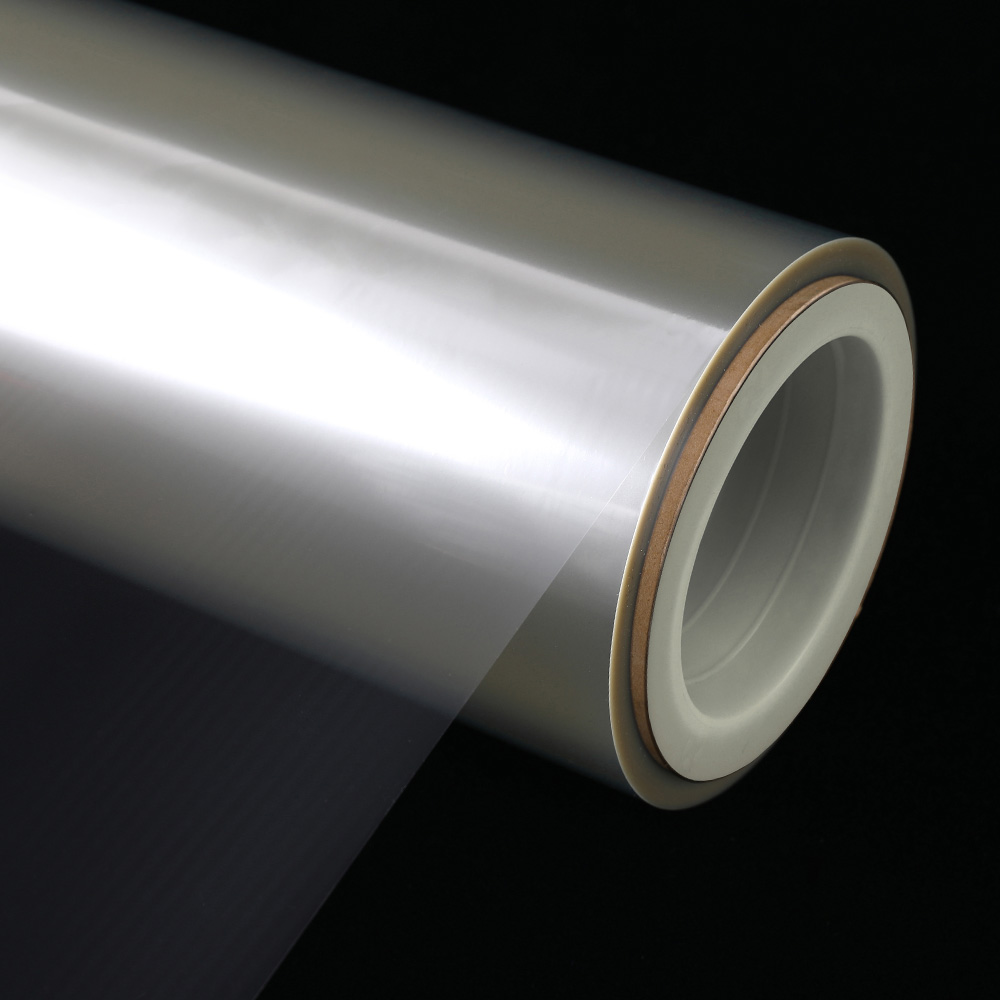
- Transparent, clear barrier layer
- Ceramic-based inorganic coating
- Deposited via PVD or CVD process
- Maintains clarity for product visibility
- Compatible with microwave applications
- Strong resistance to humidity cycling
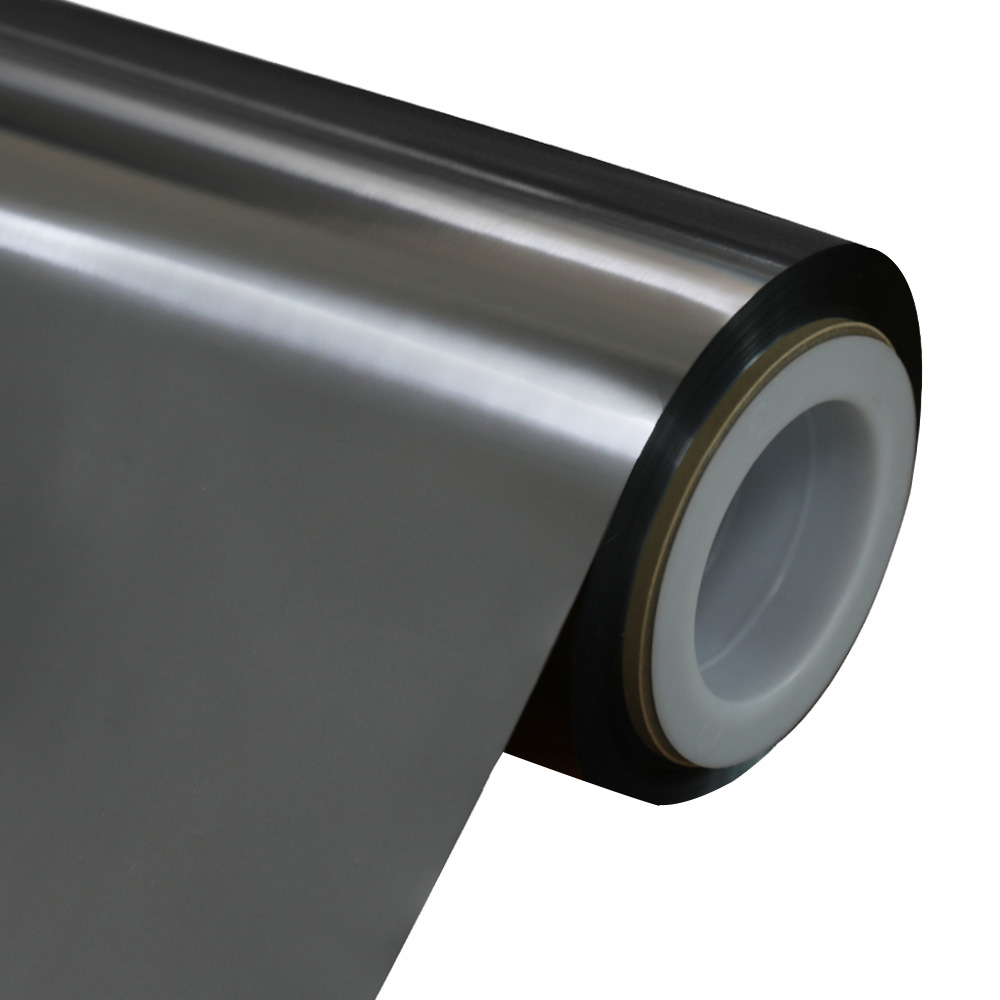
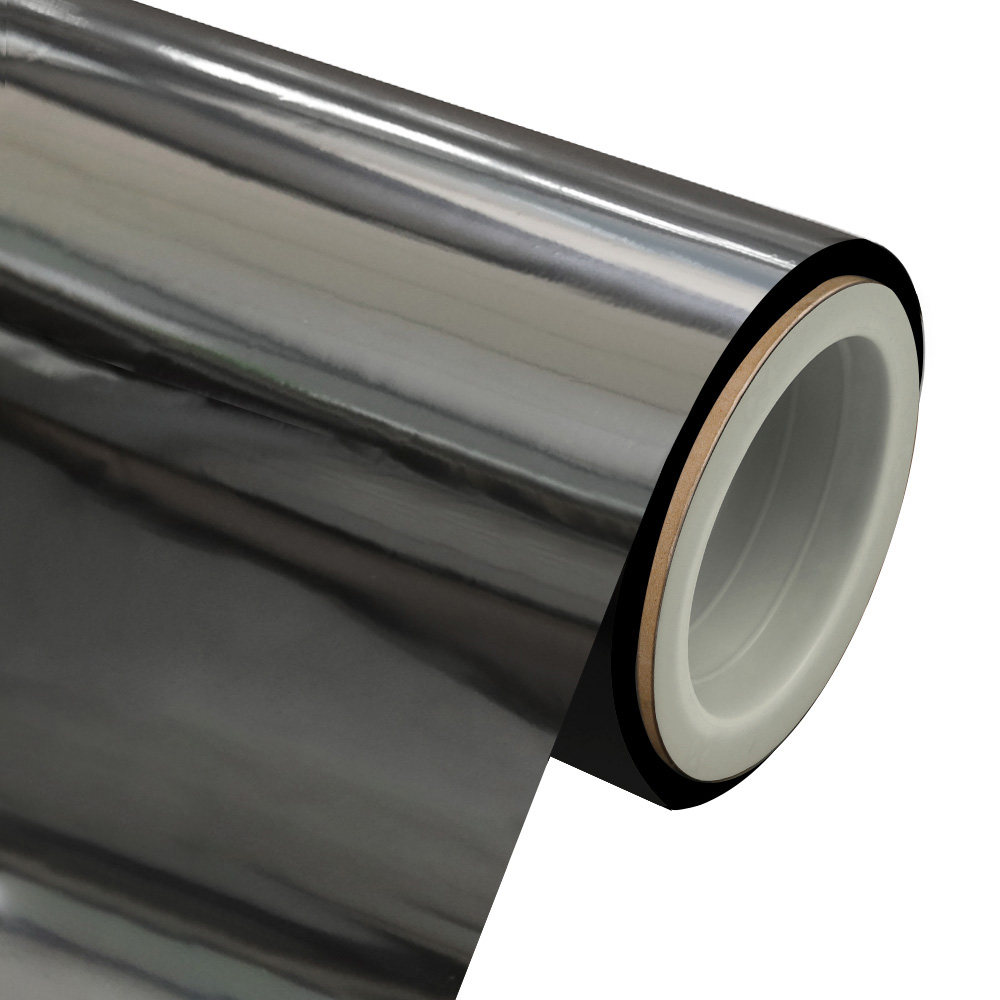
- Reflective, opaque silver appearance
- Pure aluminum vapor deposition
- Lower cost per unit area
- Excellent light and UV barrier
- High thermal reflectivity
- Established supply chain and processing
ALOx Film Technology: Structure, Process, and Performance
ALOx film is created by depositing a thin ceramic layer of aluminum oxide onto a polymer substrate — typically polyethylene terephthalate (PET), biaxially oriented polypropylene (BOPP), or polyamide (PA). The deposition occurs in a vacuum chamber where aluminum reacts with oxygen to form Al2O3, building up a glassy, amorphous coating typically between 20 and 50 nanometers thick.
How the Deposition Process Works
Barrier Performance of ALOx Films
The oxygen transmission rate (OTR) and water vapor transmission rate (WVTR) are the primary metrics used to quantify barrier performance. Standard uncoated 12-micron PET film exhibits an OTR of approximately 100–150 cc/m2/day/atm and a WVTR of around 10–15 g/m2/day. When an ALOx coating is applied, these values drop dramatically:
| Film Type | OTR (cc/m2/day) | WVTR (g/m2/day) | Transparency | Typical Application |
|---|---|---|---|---|
| Uncoated PET (12 µm) | 100–150 | 10–15 | Clear | General purpose |
| Standard Metallized PET | 0.5–2.0 | 0.2–1.0 | Opaque/Silver | Snacks, coffee |
| ALOx Coated PET (single) | 0.5–3.0 | 0.3–1.5 | Clear | Retort, dairy, meats |
| ALOx Coated PET (premium) | 0.01–0.1 | 0.05–0.3 | Clear | Pharma, medical |
| EVOH Laminate (reference) | 0.1–1.0 | 2–8 | Clear | Meat, cheese |
Performance Stability Note: Unlike EVOH, which loses barrier performance when exposed to moisture, ALOx coatings maintain consistent OTR and WVTR values across a wide humidity range (10%–90% RH). This makes ALOx particularly suitable for high-humidity processing environments and tropical distribution markets.
ALOx vs. Metallized Films: A Structured Comparison
Choosing between ALOx and metallized film structures involves evaluating multiple performance, cost, regulatory, and end-use factors simultaneously. The table below summarizes the key dimensions of differentiation:
| Criterion | ALOx Film | Metallized Film | Winner for Most Applications |
|---|---|---|---|
| OTR (as manufactured) | 0.01–3.0 | 0.5–2.0 | ALOx (premium grades) |
| WVTR (as manufactured) | 0.05–1.5 | 0.2–1.0 | Comparable |
| Barrier after flexing | Largely retained | Significant degradation | ALOx |
| Humidity resistance | Excellent (inorganic) | Good (oxidation risk) | ALOx |
| Transparency | Clear / transparent | Opaque / reflective | ALOx (visibility needed) |
| Microwave compatibility | Yes | No | ALOx |
| Light/UV barrier | Limited (requires tint) | Excellent | Metallized |
| Thermal reflectivity | Low | High | Metallized |
| Raw material cost | Higher | Lower | Metallized |
| Recyclability potential | Higher | Lower | ALOx |
| Retort / sterilization | Compatible | Limited | ALOx |
Application Mapping by End Market
Food Packaging
Both film types serve food packaging, but their roles differ. Metallized films dominate snack food, coffee, and dry goods where light exclusion is paramount and product visibility is not required. ALOx films are preferred for fresh meats, dairy products, and ready-to-eat meals where shelf presentation and microwave compatibility are key factors. The longer shelf life enabled by premium ALOx grades — sometimes exceeding 18–24 months for ambient-stable products — makes them particularly valuable for export and long-distance distribution.
Pharmaceutical and Medical
High barrier packaging films in pharmaceutical applications must meet strict regulatory standards for oxygen and moisture permeation, particularly for blister packs, sachets, and pouches containing moisture-sensitive tablets, capsules, or diagnostic reagents. ALOx-coated films have gained significant traction in this sector because they offer the clarity needed for visual inspection requirements while delivering OTR values below 0.05 cc/m2/day in premium grades.
Industrial and Electronics
Electrostatic-sensitive components and industrial goods require moisture exclusion during shipping and storage. Metallized films remain dominant here due to their excellent water vapor barrier and electrostatic shielding properties. ALOx films are used where transparency is needed for component inspection without opening the package.
How Barrier Films Extend Product Shelf Life
Shelf life degradation in packaged foods and pharmaceuticals is driven by three primary mechanisms: oxidative rancidity (fat and flavor degradation), microbial growth promoted by moisture ingress, and physical changes caused by moisture absorption or desorption. High barrier packaging films address all three by limiting the rate at which oxygen and water vapor can permeate the package walls.
The Oxygen Permeation Pathway
Oxygen permeation through a packaging film follows a diffusion-solution mechanism: oxygen molecules dissolve into the polymer matrix at the outer surface, diffuse through the bulk material, and emerge on the inner surface. Barrier coatings — whether metallic or ceramic — interrupt this pathway by presenting a dense, low-diffusivity layer that forces oxygen molecules to navigate around structural discontinuities.
Quantifying Shelf Life Extension
The relationship between barrier improvement and shelf life extension is not strictly linear because product degradation rates are influenced by initial oxygen headspace, product composition, storage temperature, and target quality threshold. However, published research in packaging science consistently demonstrates that reducing OTR by one order of magnitude can extend the sensory shelf life of oxygen-sensitive products by a factor of 3–8x, depending on the product category.
For a representative example in the coffee packaging sector: uncoated laminate pouches may maintain acceptable aroma quality for 6–8 weeks. The same pouch structure with a metallized inner layer can extend this to 9–12 months. Switching to a premium ALOx film structure can push this further to 18–24 months or more, enabling a reduction in nitrogen flushing intensity and allowing new distribution channels.
WVTR and Moisture-Sensitive Products
Water vapor transmission rate is equally critical for moisture-sensitive products such as crackers, cereals, powdered formulations, and pharmaceutical tablets. Moisture ingress causes textural degradation (sogginess), caking, chemical instability (hydrolysis of active ingredients), and microbial proliferation. High barrier packaging films that achieve WVTR below 0.5 g/m2/day can dramatically slow the rate of moisture equilibration between the package interior and the external environment.
Nano-Coating Technology and Next-Generation Barrier Films
The ongoing development of nano-coating technology is pushing barrier performance beyond what conventional single-layer ALOx or metallized coatings can achieve. Several distinct approaches are at various stages of commercial deployment:
01
Multilayer ALOx Stacks
Depositing two or more discrete ALOx layers with polymer or SiOx interlayers creates a tortuous path structure that multiplicatively reduces gas permeation. Double-layer ALOx systems can achieve OTR below 0.005 cc/m2/day, approaching the performance of rigid aluminum foil laminate in a fully transparent, lightweight film.
02
SiOx Coatings
Silicon oxide coatings (SiOx) offer comparable transparency to ALOx and excellent microwave compatibility, with OTR values in the 0.1–1.0 cc/m2/day range. They are often combined with ALOx in hybrid structures to improve WVTR performance while maintaining the integrity of the oxygen barrier. SiOx also shows strong adhesion to BOPP substrates where ALOx adhesion can be challenging.
03
Nanocomposite Coatings
Incorporating nanoclays, graphene oxide platelets, or cellulose nanocrystals into a polymer coating matrix creates a high-aspect-ratio barrier by forcing diffusing gas molecules to navigate a complex labyrinth of impermeable platelets. These coatings are water-based and compatible with conventional coating equipment, though achieving OTR values below 1.0 cc/m2/day consistently at commercial speeds remains a technical challenge.
04
Atomic Layer Deposition (ALD)
Atomic layer deposition builds ultra-thin, pinhole-free ceramic layers (Al2O3, TiO2, HfO2) with sub-nanometer precision. ALD-coated films achieve some of the lowest gas transmission rates measured for flexible packaging — OTR below 0.001 cc/m2/day in laboratory conditions. Commercial scale-up remains a cost barrier, but roll-to-roll ALD systems are progressing toward viability for pharmaceutical and advanced electronics packaging.
Gas Transmission Rate (GTR) as a Comprehensive Metric
While OTR and WVTR are the most commonly cited barrier metrics, packaging engineers increasingly specify gas transmission rate (GTR) as a comprehensive measure of permeation for gases including CO2, N2, and flavor compounds. For modified atmosphere packaging (MAP), the CO2 transmission rate is particularly important because the CO2-to-O2 permeability ratio of the film determines how quickly the protective gas atmosphere within the package equilibrates with the external environment.
ALOx and metallized films both reduce GTR for all measured gases, but the relative selectivity differs. ALOx coatings generally show a somewhat higher CO2-to-O2 permeability ratio than metallic aluminum coatings, which can be either advantageous or disadvantageous depending on the MAP gas mixture design. Packaging engineers working with high-CO2 MAP applications should evaluate GTR specifications carefully rather than relying solely on OTR values.
Film Selection Framework for Packaging Engineers
Selecting the optimal barrier film structure requires a systematic evaluation of product requirements, distribution conditions, regulatory constraints, and economic factors. The framework below provides a structured decision pathway:
Key Performance Indicators to Specify
- OTR at target temperature and humidity: Always specify OTR at the actual storage or distribution conditions, not at standard test conditions (23°C, 50% RH), because permeability can increase significantly at higher temperatures or humidity levels.
- Post-conversion OTR: Measure barrier performance after slitting, laminating, and pouch-forming to account for process-induced degradation of the coating layer.
- Flex-crack resistance: Evaluate barrier retention after a defined number of flex cycles using standardized protocols such as Gelbo Flex testing.
- Heat seal compatibility: The sealant layer in the laminate structure must not compromise the barrier properties of the outer film during heat sealing.
- Retort stability: For retortable pouches, verify that the barrier layer maintains integrity at 121°C for 30–60 minutes under pressure cycling.
- Adhesion strength: Delamination of the barrier layer — either cohesive or adhesive failure — can cause localized OTR spikes that negate the overall barrier design.
Sustainability Considerations in High Barrier Film Design
The environmental impact of high barrier packaging is a subject of active debate within the packaging industry. On one hand, superior barrier performance reduces food waste — a significant environmental benefit given that one-third of all food produced globally is lost or wasted, representing a far greater carbon footprint than the packaging that could prevent it. On the other hand, multi-layer barrier laminates are difficult to recycle, and their end-of-life treatment typically involves incineration or landfill.
The Food Waste Prevention Equation
Life cycle assessment studies of packaging structures consistently show that extending product shelf life through better barrier packaging produces net environmental benefits when the carbon footprint of the saved food is compared against the incremental packaging material and energy required for the barrier coating. For high-value food products with significant upstream agricultural carbon footprints — beef, dairy, processed meats — the breakeven point is typically reached by preventing the wastage of a relatively small percentage of the total product volume.
1/3 of global food production is lost or wasted annually
8-10x higher carbon footprint of wasted food vs. packaging that prevents it
ALOx films enable monomaterial recyclable structures not possible with foil
Monomaterial Barrier Film Structures
One of the most active areas of packaging development is the creation of monomaterial high barrier flexible packaging. By depositing ALOx coatings directly onto high-barrier polyolefin films — such as metallocene-catalyzed LLDPE or cast PP — and eliminating the conventional PET outer layer, manufacturers can create fully recyclable structures in which all layers belong to the same polymer family and can be sorted and reprocessed together in the polyolefin recycling stream.
These structures face the challenge of achieving sufficient stiffness and optical properties for high-speed filling lines while maintaining the barrier performance of the ALOx coating on a more flexible, lower-modulus substrate. Process developments including plasma pre-treatment and primer optimization are addressing these substrate compatibility challenges with increasing success.
Testing Protocols for High Barrier Packaging Films
Accurate measurement of barrier performance is essential for both film qualification and ongoing quality control. Several standardized test methods are used across the industry:
| Parameter | Standard Method | Principle | Typical Detection Limit |
|---|---|---|---|
| OTR | ASTM D3985 / ISO 15105-2 | Coulometric or manometric detection of O2 flux | 0.001 cc/m2/day |
| WVTR | ASTM F1249 / ISO 15106-3 | Infrared sensor detection of water vapor flux | 0.001 g/m2/day |
| GTR (CO2) | ASTM D1434 | Manometric pressure differential method | 0.1 cc/m2/day |
| Optical Density | ISO 5-4 / TAPPI T1014 | Transmission densitometry | 0.01 OD units |
| Flex Crack Resistance | ASTM F392 (Gelbo) | Repetitive twist-fold cycling, OTR measured after | Relative degradation ratio |
| Adhesion (peel) | ASTM F904 / ISO 11339 | T-peel or 180-degree peel test on laminate | N/15mm |
Accelerated Shelf Life Testing
Since real-time shelf life testing at ambient conditions can take 12–24 months or longer, packaging engineers routinely use accelerated aging protocols that apply elevated temperature and humidity to compress the test timeline. The modified Arrhenius equation provides a framework for estimating real-time shelf life from accelerated test data, assuming that the degradation mechanism is thermally activated and that the barrier film's performance does not change character at elevated temperatures — an assumption that must be validated for each specific film-product combination.
An accelerated test conducted at 40°C / 75% RH for 8 weeks is commonly used to estimate ambient performance over 12 months, though the acceleration factor varies by product and must be validated against real-time data. For pharmaceutical applications, ICH Q1A stability guidelines specify standard conditions (25°C / 60% RH for long-term; 40°C / 75% RH for accelerated) that govern the test design.
Frequently Asked Questions
Q1: What is the difference between ALOx film and standard metallized film in terms of barrier performance?
Both ALOx and metallized films dramatically reduce oxygen and moisture permeation compared to uncoated films, but they differ in key ways. Standard metallized films achieve OTR values of 0.5–2.0 cc/m2/day and are opaque/reflective. ALOx films in standard grades offer similar OTR, but premium ALOx grades can reach below 0.01 cc/m2/day. More importantly, ALOx films are fully transparent, microwave-compatible, and retain their barrier properties much better after flex cycling and retort processing. Metallized films offer superior light and UV barrier and are generally lower in cost.
Q2: How does oxygen transmission rate (OTR) relate to actual product shelf life?
OTR measures how many cubic centimeters of oxygen pass through one square meter of film per day at a given test condition. Lower OTR means less oxygen entering the package per day, which slows oxidative degradation of fats, vitamins, color compounds, and flavors. The relationship is not perfectly linear because shelf life depends on factors including the initial oxygen headspace, product surface area, oxygen absorption capacity of the product, and the quality threshold below which the product is considered unacceptable. As a practical guideline, reducing OTR by 10x typically extends oxygen-sensitive product shelf life by 3–8x, depending on the specific product.
Q3: Can ALOx coated films be used in retort sterilization processes?
Yes, appropriately formulated ALOx films can withstand retort sterilization conditions (typically 121°C for 20–60 minutes at elevated pressure). The ALOx ceramic coating is chemically and thermally stable at these temperatures, unlike organic coating systems. However, not all ALOx films are retort-rated — the adhesion between the ceramic layer and the polymer substrate, as well as the laminate adhesive system, must be specifically selected and validated for retort use. Manufacturers provide retort-compatible grades with documented barrier performance before and after retort cycling.
Q4: What is water vapor transmission rate (WVTR) and why does it matter for food packaging?
WVTR measures the mass of water vapor that passes through a unit area of film per day under defined temperature and humidity conditions. It is typically expressed in g/m2/day. For food packaging, WVTR governs how quickly moisture from the ambient environment enters the package — or how quickly moisture from the food product escapes. For dry products like crackers, cereals, or powdered formulations, moisture ingress causes softening and microbial risk, so a low WVTR is critical. For fresh products, moisture retention may be the goal. High barrier films with WVTR below 0.5 g/m2/day can maintain the original moisture content of packaged products for months.
Q5: Are clear high barrier films recyclable?
Recyclability depends on the complete laminate structure, not just the barrier coating alone. A standalone ALOx-coated PET film is theoretically recyclable in the PET stream because the ceramic layer is present at less than 0.1% by weight and does not significantly contaminate the melt. However, most practical packaging structures are multi-layer laminates bonded with adhesives, which complicates recycling. Emerging monomaterial barrier structures — using ALOx coatings on all-polyolefin substrates — are designed specifically for recyclability in the polyolefin stream and represent the most promising path toward combining high barrier performance with end-of-life recyclability.
Q6: What is nano-coating technology and how does it improve barrier performance?
Nano-coating technology refers to coating processes that deposit functional layers at thicknesses in the nanometer range (1–100nm) with precise control over layer structure and composition. In barrier packaging, this includes physical vapor deposition of ALOx and SiOx by electron beam evaporation or sputtering, atomic layer deposition (ALD) for ultra-thin pinhole-free ceramic barriers, and solution-based coatings incorporating nanoscale platelets that create a tortuous diffusion path. The key advantage of nano-coatings is achieving extremely high barrier performance with very thin layers — minimizing material consumption and maintaining the mechanical flexibility of the base film.
Q7: How should I specify high barrier packaging films for a new product development project?
Start by defining the target shelf life and the oxygen and moisture sensitivity of your product. Use oxygen consumption rate data and desired headspace oxygen depletion timeline to back-calculate the maximum acceptable OTR for your package design (including surface area and headspace volume). Similarly, calculate maximum acceptable WVTR from moisture content tolerances. Then specify OTR and WVTR values with test conditions (temperature, humidity), minimum values after flex cycling if the package will be subject to handling stress, and retort compatibility if applicable. Request film samples with test certificates and validate against your specific product using accelerated shelf life protocols before committing to full production volumes.

Are you ready to work with us?
Start a project
- Quick Links
- Company Profile
- Company Culture
- Qualification
- FAQ
- Product
- ALOx Films
- VMPET
- VMCPP
- VMBOPP
- Coated Film
- Contact Us
- Tel: +86-13456263964
-
Phone : +86-0573-87783633
Phone : +86-0573-87780583 - E-mail : [email protected]
- Address: 6th Xinhe Road, Xieqiao Town, Haining City, Zhejiang Province, China

