

 English
  中文简体
中文简体 
How Do ALOx Coated PET Film, KPET Film, and Metallized BOPP Film Compare for Moisture and Gas Barrier Packaging
 2026.08.07
 Industry News
Why Barrier Film Selection Determines Shelf Life and Product Stability
Every packaged product that reacts with oxygen, loses moisture, or absorbs humidity depends on one hidden layer of protection: the barrier film. Coffee turns stale, snacks go soft, and pharmaceutical tablets degrade when a packaging structure lets gas or vapor pass through faster than the product can tolerate. Three film families dominate the mid-to-high barrier packaging segment today, each built around a different coating principle rather than a different base polymer.
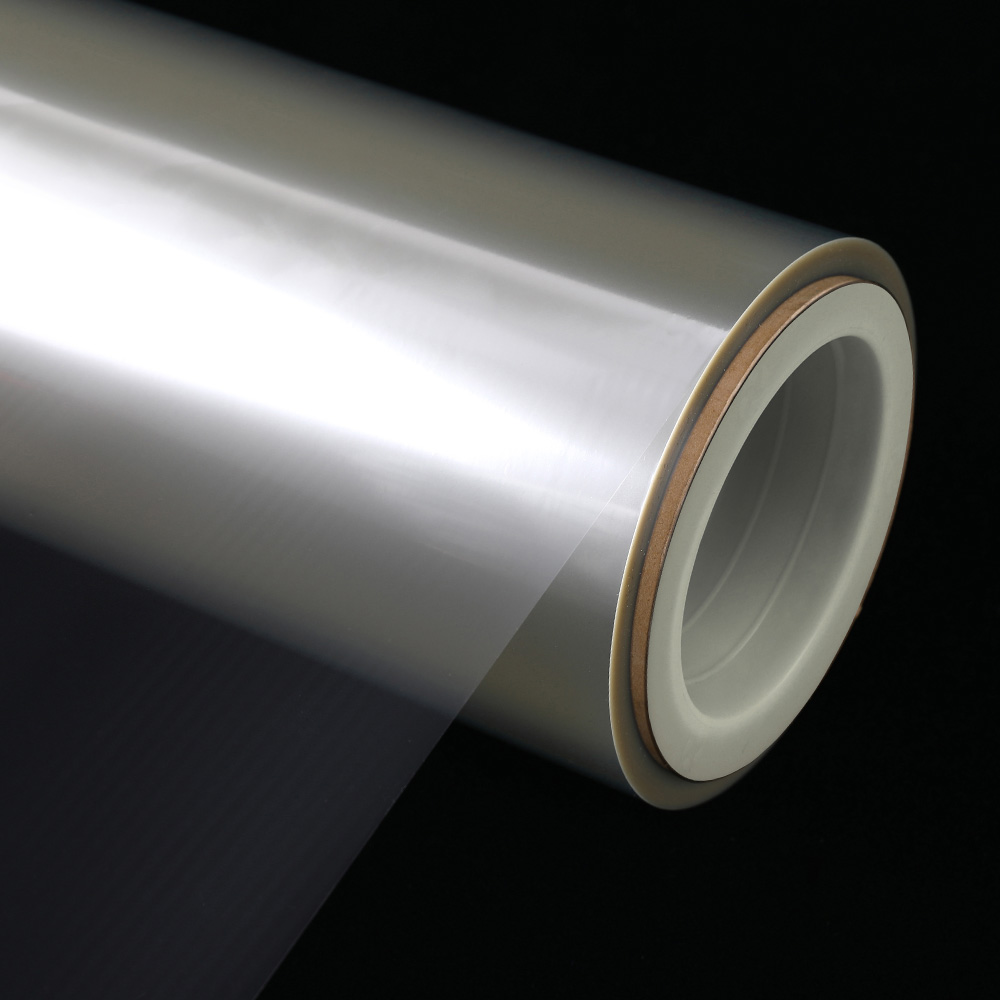
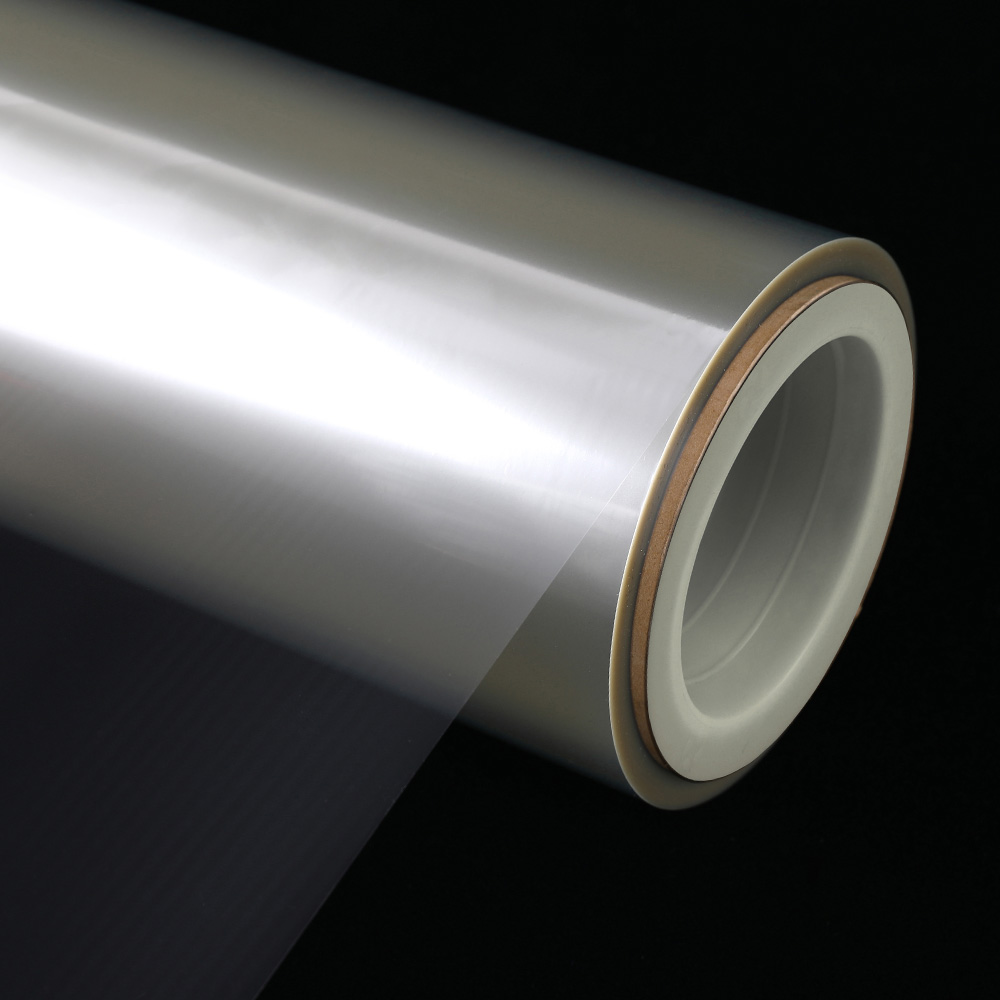
ALOx coated PET film relies on a vacuum-deposited aluminum oxide layer bonded to a clear PET polyester film substrate, producing a transparent barrier that still allows visual product inspection. KPET film uses a PVDC polymer coating applied to one or both sides of a PET film plastic base, giving strong moisture resistance and reliable heat sealability. Metallized BOPP film takes a different approach entirely, vacuum-depositing a thin aluminum layer onto biaxially oriented polypropylene to create an opaque, low-cost barrier commonly used for light-sensitive snack and confectionery packaging.
Choosing between these three options is rarely about brand preference. It comes down to measurable performance data: oxygen transmission rate (OTR), water vapor transmission rate (WVTR), optical clarity, sealing behavior, and total structure cost per square meter. The chart below illustrates typical oxygen transmission ranges reported for each film category under standard test conditions, expressed in cubic centimeters per square meter per day.
These ranges are laboratory averages rather than fixed guarantees, since actual performance shifts with humidity, temperature, coating uniformity, and how the film is converted into a finished pouch or lidding structure. Testing labs typically report OTR under conditions close to room temperature and moderate relative humidity, then adjust projections for the specific climate a package will travel through. A pouch destined for a humid coastal region behaves differently than the same structure shipped through a dry inland corridor, which is why packaging engineers often build in a safety margin rather than designing to the minimum barrier value.
Demand for stronger barrier films has grown alongside two parallel trends: brands wanting clear packaging windows for shelf appeal, and retailers pushing suppliers toward mono-material structures that recycle more easily than mixed-material laminates. Both trends favor coated PET options over traditional foil, which is part of why ALOx and PVDC coatings have expanded well beyond their original niche markets into mainstream food and pharmaceutical packaging over the past decade.
What Makes ALOx Coated PET Film a High Clarity Barrier Solution
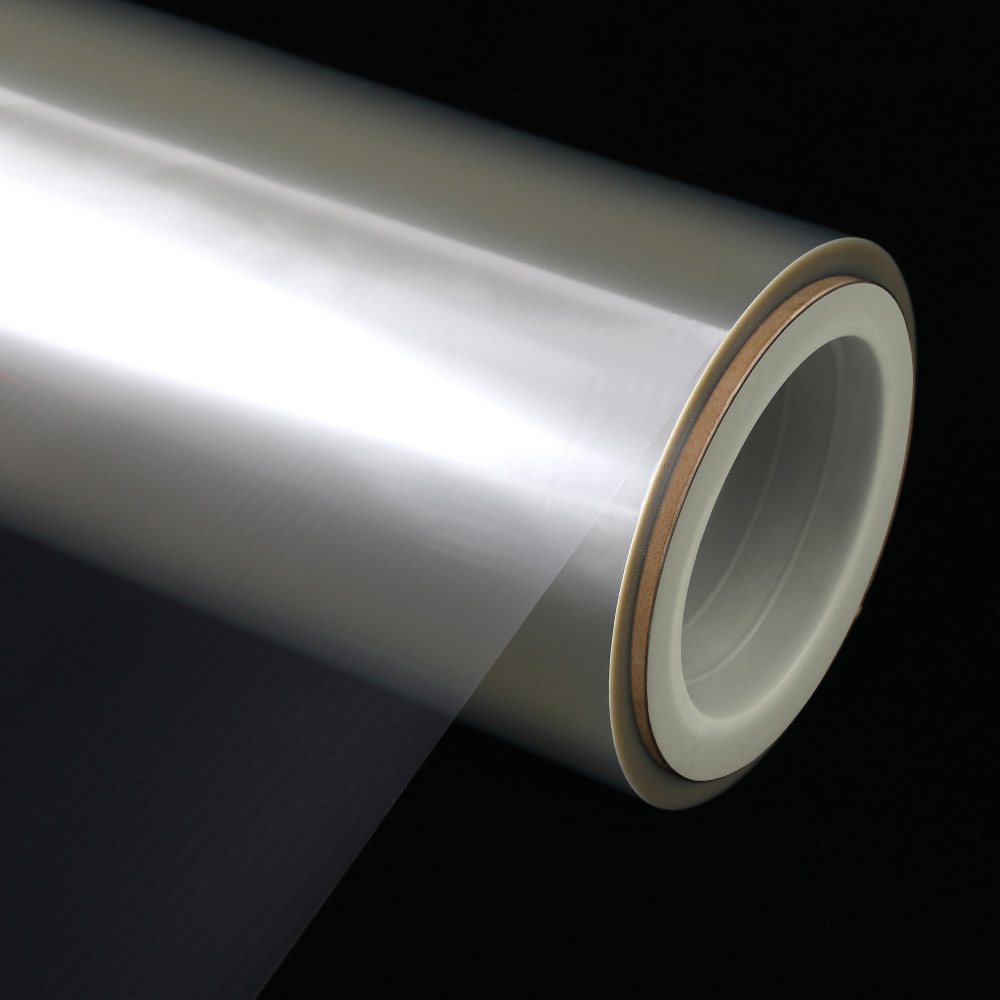
ALOx coated PET film starts as a standard PET polyester film, then passes through a vacuum chamber where a thin layer of aluminum oxide is deposited onto its surface at a molecular scale. Unlike foil laminates, this ceramic-like coating remains transparent, so the finished pouch or lidding film still lets buyers see the product inside while providing an oxygen and moisture barrier that approaches foil-level performance.
Because the coating is inorganic and does not contain metal in the reflective sense, ALOx film is compatible with metal detectors and microwave heating, which foil-based structures cannot support. This makes it a common choice for ready meals, roasted coffee, dried fruit, and nutraceutical pouches where both barrier strength and pack-line inspection matter. The coating also tends to resist flex-crack failure better than thin aluminum foil, so pouches that get folded or creased during transport hold their barrier integrity longer.
From a sustainability standpoint, ALOx coated structures are often easier to work into mono-material recycling streams than foil laminates, since the oxide layer is a small fraction of total film weight and does not interfere with polyester recycling in the same way metal does. Typical thickness for ALOx coated PET film ranges from 12 to 18 microns, and it is frequently laminated with polyethylene or a heat-seal layer to build a complete pouch structure.
Coating uniformity is one of the biggest quality variables in ALOx production. The deposition process happens inside a roll-to-roll vacuum chamber where film travels past an evaporation source at controlled speed, and any variation in tension, temperature, or source output can create thin spots that weaken barrier performance locally even when the average coating weight looks acceptable. Reputable converters run inline optical density checks during production to catch these inconsistencies before the film reaches a packaging line.
Another practical consideration is bond strength between the oxide layer and any adhesive or extrusion lamination applied afterward. Because the ceramic-like coating is chemically different from the polyester base, lamination adhesives need to be selected specifically for oxide-coated surfaces rather than assumed compatible with standard PET film plastic. Converters who skip this step sometimes see delamination or barrier loss at the seal area, which is why ALOx film suppliers typically publish recommended adhesive systems alongside their technical data sheets.
How KPET Film Delivers Consistent Moisture Protection Through PVDC Coating
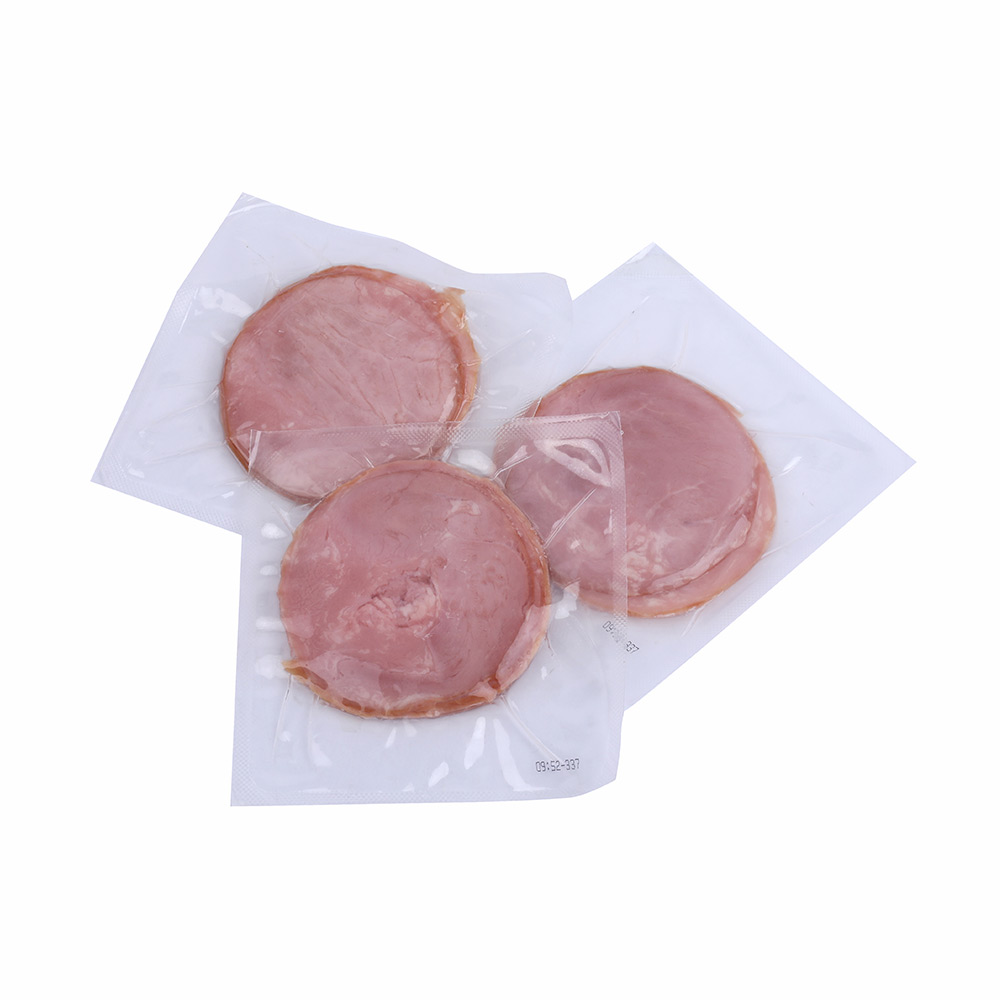
KPET film is built by coating a PET film plastic base with a layer of polyvinylidene chloride, commonly abbreviated PVDC. This coating chemistry gives the film strong resistance to water vapor migration and reasonably good oxygen blocking as well, making KPET a practical middle-ground option between low-cost uncoated films and premium ALOx or foil structures.
One of the reasons converters favor KPET is heat seal compatibility. The PVDC layer softens at moderate sealing temperatures, allowing it to bond cleanly to polyethylene or other sealant films on packaging lines without requiring specialized equipment. This is especially valuable in pharmaceutical blister packaging, where consistent seal integrity protects tablets and capsules from ambient humidity over long shelf-life windows, and in dry food sachets such as soup mixes, tea, and desiccant packs.
KPET can be produced with single-side or double-side PVDC coating depending on barrier requirements and printing needs. Single-side coated Mylar film variants are typically used when one surface needs to remain print-friendly, while double-side coating is chosen when maximum moisture resistance is the priority regardless of surface finish. Coating weight is usually measured in grams per square meter, and higher coating weights generally correspond to lower water vapor transmission but slightly reduced film flexibility.
Printing compatibility is another reason converters lean toward KPET film for retail-facing packaging. The uncoated side of the film accepts standard gravure or flexographic inks without special surface treatment, so brand graphics can be printed in high resolution while the coated side continues doing the barrier work on the inside of the pack. This two-sided functionality lets a single film handle both branding and protection, reducing the need for a separate print layer in the overall structure.
Sealant pairing also matters for KPET performance in real production. Because the PVDC coating itself is not always the sealing surface, KPET is commonly laminated to a polyethylene or ionomer sealant layer that provides the actual heat seal on packaging equipment. Matching sealant thickness and melt temperature to the coating weight of the KPET layer helps avoid weak seals, which is often the actual point of failure in moisture-sensitive packaging rather than the barrier film itself.
Why Metallized BOPP Film Remains a Cost Effective Barrier Choice
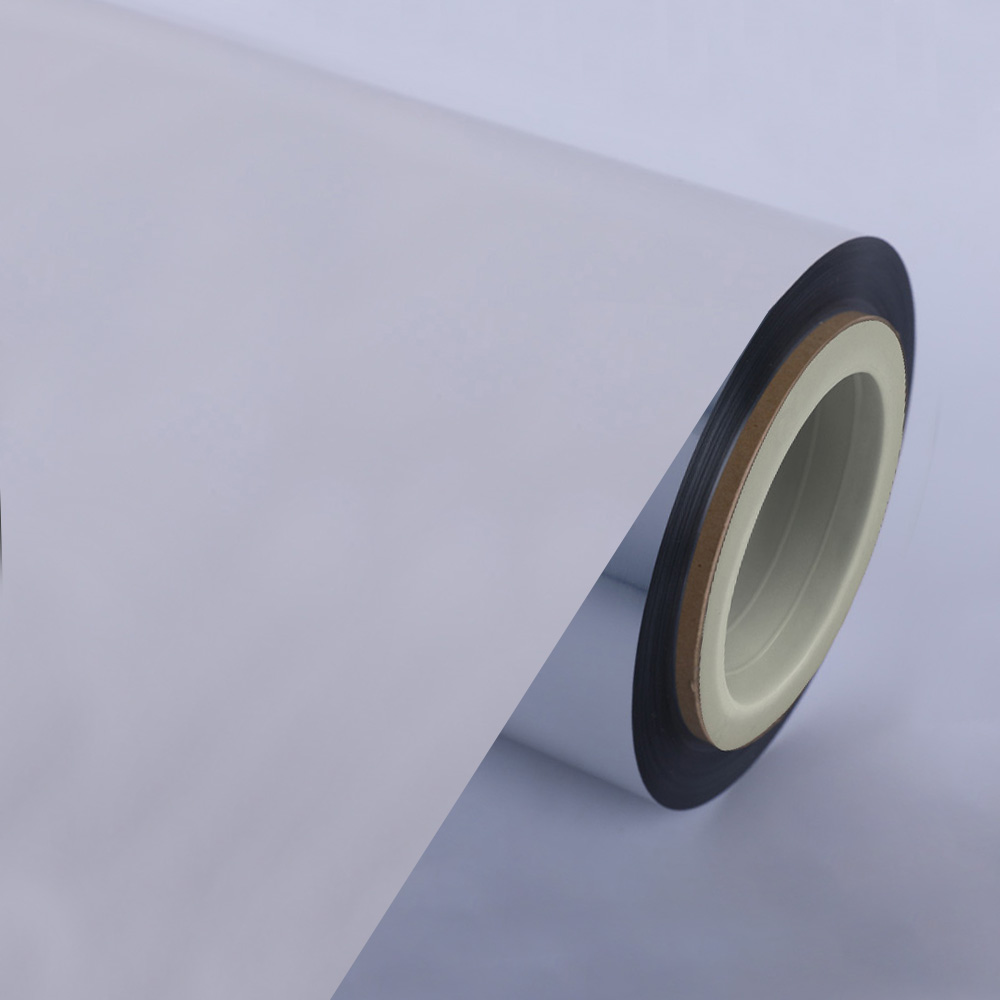
Metallized BOPP film is produced by vacuum depositing a thin layer of aluminum onto biaxially oriented polypropylene, giving the film a reflective, opaque appearance rather than the transparency seen in ALOx coated PET. This opacity is actually an advantage for products sensitive to light exposure, since the metal layer blocks ultraviolet and visible light in addition to slowing gas and moisture transmission.
Because polypropylene is inherently inexpensive relative to polyester and the metallization process is a mature, high-throughput technique, metallized BOPP film typically costs less per square meter than either ALOx coated PET film or KPET film. This makes it a popular choice for high-volume snack food packaging, confectionery wrappers, and cigarette overwrap applications, where barrier requirements are moderate rather than extreme and cost per unit matters at large production scale.
The main trade-off with metallized BOPP is durability of the metal layer under mechanical stress. Repeated flexing, tight folding, or aggressive lamination bonding can create micro-cracks in the aluminum coating, which reduces barrier performance locally even if the bulk film specification looks strong on paper. Converters typically address this by pairing metallized BOPP with a protective outer layer or by limiting its use to applications with predictable, gentle handling.
Metal deposition thickness on BOPP is usually measured indirectly through optical density rather than a physical gauge reading, since the aluminum layer itself is only a few nanometers thick. Higher optical density generally correlates with better barrier performance and a brighter, more reflective finish, but pushing density too high can increase the risk of the coating flaking during high-speed printing or lamination. Most converters target a mid-range optical density that balances barrier strength with processing reliability across different press and lamination speeds.
From a shelf-appeal standpoint, the reflective silver finish of metallized BOPP also functions as a design element rather than just a barrier layer. Many snack and confectionery brands print directly onto the metallized surface using reverse printing techniques, allowing the metallic shine to show through gaps in the ink pattern for a premium look at a fraction of the cost of true foil lamination.
Comparing Barrier Film Technologies Side by Side
Selecting a barrier film is rarely a single-metric decision. Clarity, cost, flexibility, and recyclability all pull in different directions depending on the application, so it helps to view the three technologies across several dimensions at once rather than isolating oxygen transmission alone.
| Property | ALOx Coated PET Film | KPET Film | Metallized BOPP Film |
|---|---|---|---|
| Coating Method | Vacuum oxide deposition | PVDC polymer coating | Vacuum aluminum deposition |
| Transparency | High | High to moderate | Opaque |
| Typical OTR Range | 0.5 to 2 | 3 to 8 | 8 to 20 |
| Typical Thickness | 12 to 18 microns | 12 to 23 microns | 18 to 30 microns |
| Relative Cost Level | High | Moderate | Low |
| Common Use Case | Coffee, dried food, medical pouches | Pharma blister, tea, soup sachets | Snack wraps, confectionery, overwrap |
Reading this table alongside the radar chart above highlights a consistent pattern across all three technologies: no single film wins on every attribute simultaneously. ALOx coated PET film leads on clarity and recyclability but sits at the higher end of the cost range. KPET film occupies a balanced middle position across most attributes, which is exactly why it remains a default choice for many pharmaceutical and dry food applications that need dependable performance without premium pricing. Metallized BOPP film trades barrier strength and flexibility for a meaningful cost advantage, which only makes sense when the application does not demand top-tier gas barrier performance.
How to Choose the Right Barrier Film for Your Packaging Application
Selecting between these three film families works best as a structured decision rather than a preference call. The flow below outlines a practical sequence that packaging engineers commonly follow when narrowing down options for a new structure.
If a product is highly oxygen sensitive and the brand wants shoppers to see the actual product through the pack, ALOx coated PET film usually becomes the leading candidate because it pairs strong barrier performance with clarity. If moisture control is the dominant concern and the structure needs reliable heat sealing on standard equipment, KPET film often fits without pushing the budget as high as an oxide-coated option. When the priority shifts toward high-volume, moderate-barrier packaging where light blocking and low unit cost matter more than transparency, metallized BOPP film tends to be the more efficient choice.
Sealing equipment compatibility, printing method, and downstream lamination partners should also factor into the decision, since a film that performs well in isolated barrier testing can still underperform if it does not bond reliably with the rest of the packaging structure.
Sustainability targets are increasingly part of this decision tree as well. Brands working toward mono-material packaging goals often prioritize ALOx coated PET film specifically because it can pair with a polyester-based sealant to form a structure that stays within a single recyclable resin family, something that is much harder to achieve with a metallized structure. Where recyclability is less of a constraint, KPET and metallized BOPP remain fully viable choices based purely on barrier and cost fit.
Before finalizing a structure, it is worth running actual shelf-life trials rather than relying solely on published transmission rates. Accelerated aging tests, where product-filled packs are stored at elevated temperature and humidity for a shortened period, give a more realistic picture of how a chosen film will perform once it leaves controlled laboratory conditions and enters real distribution and storage environments.
Practical Application Scenarios Across Industries
- Roasted coffee and dried food pouches that need long shelf life plus a clear window for product visibility often use ALOx coated PET film laminated to a heat-seal layer.
- Pharmaceutical blister lidding and dry powder sachets frequently specify KPET film for its dependable moisture barrier and consistent seal strength across production runs.
- Snack food bags, chocolate and candy wrappers, and cigarette overwrap commonly rely on metallized BOPP film for its light-blocking opacity and lower material cost at scale.
- Industrial and electronics moisture barrier bags sometimes combine a PET film base with additional coatings to reach the very low WVTR levels required for sensitive components.
- Personal care single-use sachets for creams, serums, and sample sizes often select KPET film when a matte, print-friendly surface with strong moisture protection is required.
Frequently Asked Questions About Barrier Film Selection
Q1: What is the main difference between ALOx coated PET film and metallized BOPP film
The core difference is the coating material and its effect on transparency. ALOx coated PET film uses a transparent aluminum oxide layer, so the pack stays clear, while metallized BOPP film uses a reflective aluminum layer that makes the film opaque.
Q2: Is KPET film the same as Mylar film
KPET film is a PVDC coated version of PET polyester film, and PET film is often referred to generically as Mylar film in many markets. KPET specifically adds a moisture barrier coating on top of that base polyester layer.
Q3: Which barrier film is easiest to recycle
ALOx coated PET film is generally considered the easiest to work into polyester recycling streams because the oxide coating is a very small percentage of total film weight compared to a full aluminum metallized layer.
Q4: Can metallized BOPP film be used with metal detection equipment
Metallized BOPP film contains a continuous aluminum layer, which typically interferes with metal detection systems on packaging lines, unlike ALOx coated PET film which is metal free and passes through detectors without issue.
Q5: How thick should a barrier film be for a one year shelf life target
Thickness alone does not guarantee shelf life, since coating type and quality matter more than raw gauge. As a general guide, ALOx coated PET film in the 15 to 18 micron range and double-side coated KPET film both tend to support extended shelf life targets when paired with a compatible sealant layer.

Are you ready to work with us?
Start a project
- Quick Links
- Company Profile
- Company Culture
- Qualification
- FAQ
- Product
- ALOx Films
- VMPET
- VMCPP
- VMBOPP
- Coated Film
- Contact Us
- Tel: +86-13456263964
-
Phone : +86-0573-87783633
Phone : +86-0573-87780583 - E-mail : [email protected]
- Address: 6th Xinhe Road, Xieqiao Town, Haining City, Zhejiang Province, China

