

 English
  中文简体
中文简体 
How Do Metallized BOPP Films Compare with Foil Laminates in Barrier Performance?
 2026.02.19
 Industry News
Abstract
Barrier materials play a crucial role in packaging and protection systems across multiple industries, from food and pharmaceutical to industrial and flexible packaging applications. Two widely used barrier solutions are metallized BOPP film and conventional foil laminates.
The analysis takes a systems approach—evaluating not only inherent material properties but also how those properties affect overall barrier system performance, process compatibility, end‑use requirements, and lifecycle impacts.
Introduction
Barrier performance in packaging systems refers to the ability of a material or composite structure to limit the transfer of gases, moisture, light, aromas, and other external agents into or out of the packaged environment. In many applications, barrier materials are essential to preserve product integrity, extend shelf life, and maintain quality over storage and distribution.
Metallized surfaces are one approach to achieving high barrier performance within thin, lightweight films. Among these, metallized BOPP film is widely deployed because of its balanced combination of barrier properties, processability, and cost efficiency. Foil laminates—typically aluminum foil bonded within a multi‑layer structure—represent a more traditional barrier solution with near‑complete imperviousness to gas and moisture flow.
Barrier Fundamentals: Concepts and Mechanisms
Barrier performance is dictated by the mechanisms that govern the passage of molecules through a material. These mechanisms are influenced by:
- Material composition (polymeric versus metallic)
- Layer architecture
- Defects and pinholes
- Environmental conditions (temperature, humidity)
- Interactions at interfaces
Barrier effectiveness is frequently quantified in terms of:
- Oxygen Transmission Rate (OTR) — volume of oxygen passing through a unit area per time under defined conditions.
- Water Vapor Transmission Rate (WVTR) — mass of water vapor passing similarly.
- Light transmission — relevant for photo‑sensitive products.
In laminated systems, the barrier performance is a system property, not merely a function of one layer. As such, the interaction between layers, adhesive performance, and manufacturing quality significantly influences outcomes.
Structural Comparison: Metallized BOPP Film vs Foil Laminate
Metallized BOPP Film
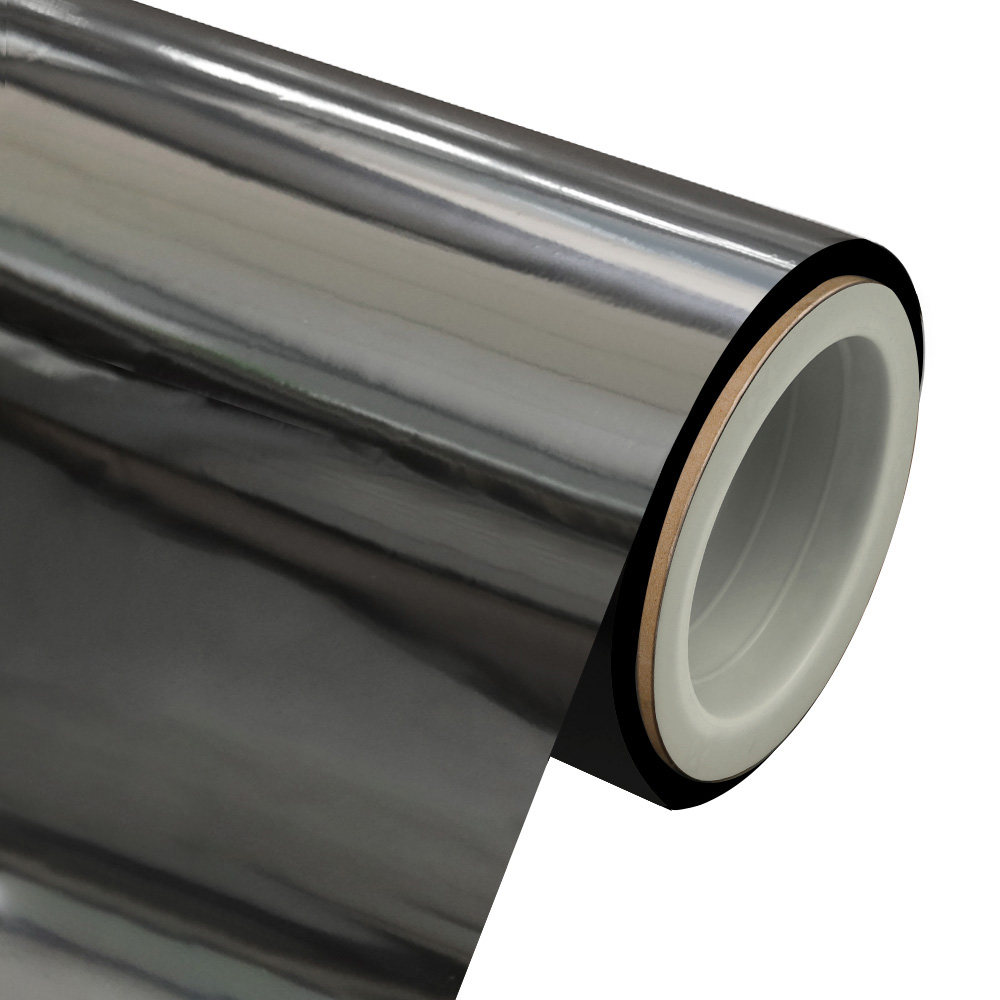
Metallized BOPP film consists of a biaxially oriented polypropylene substrate onto which a thin metal layer—typically aluminum—is deposited using vacuum metallization. The metal layer is extremely thin, often in the range of tens of nanometers, and serves to reduce the permeation pathways for gas and moisture.
Key structural characteristics:
- Base polymer: biaxially oriented polypropylene (BOPP)
- Metal layer: vacuum‑deposited aluminum or metal alloy
- Thickness range: typically 12–40 µm base film plus nanometer‑scale metal
- Flexibility: high
- Optical properties: good sheen/reflectivity
Foil Laminate
A foil laminate system typically integrates an aluminum foil—thicker and continuous—within a composite multi‑layer structure that may include polymers, adhesives, and sealants. The aluminum foil layer functions as a near‑complete barrier against gases and moisture.
Key structural characteristics:
- Foil layer: aluminum foil, often 6–30 µm or more
- Polymer layers: oriented or non‑oriented polymers for mechanical support and sealing
- Adhesive primers: to bond dissimilar materials
- Composite architecture: tailored to specific applications
Barrier Performance Metrics
The following table summarizes common barrier performance metrics for representative metallized BOPP films and foil laminate systems.
| Characteristic | Metallized BOPP Film | Foil Laminate System |
|---|---|---|
| Oxygen Transmission Rate (OTR) | Low to medium (dependent on metal consistency) | Very low (near impermeable) |
| Water Vapor Transmission Rate (WVTR) | Moderate (polymer limits performance) | Extremely low (foil dominant) |
| Light Barrier | High opacity with metallization | Very high opacity |
| Mechanical Flexibility | High | Medium to low |
| Sealability | Easy with appropriate coatings | Good, but dependent on polymer seal layers |
| Process Temperature Tolerance | Moderate | Broad (depending on polymers and adhesives) |
| Resistance to Pinholes | Higher susceptibility | Lower susceptibility with foil continuity |
| Recyclability | Better potential (monomaterial) | Challenging (multi‑material laminate) |
Barrier Mechanisms: Metallized BOPP Film
In metallized BOPP film, the barrier effect arises from the metal layer which interrupts the diffusion pathways of gas molecules. The thin metal acts as a tortuous path, forcing permeants to traverse a longer, more complex route.
Key considerations include:
- Coating uniformity: Variations in the metallized layer can create micro‑defects that serve as permeation sites.
- Surface pretreatment: Surface energy modification (e.g., corona or plasma) enhances metal adhesion and uniformity.
- Substrate orientation: Biaxial orientation improves mechanical strength, which impacts barrier consistency under stress.
- Thermal effects: Elevated temperatures can cause diffusion changes in the polymer matrix, affecting barrier over time.
Barrier limitations stem from the discontinuous nature of very thin metal films and the fact that underlying polymer properties still influence overall transmission rates.
Barrier Mechanisms: Foil Laminates
In contrast, foil laminates use a continuous metallic foil—typically aluminum—which is essentially impervious to gas and moisture. Aluminum foil provides a physical block rather than a torturous path.
Key considerations include:
- Layer integration: Polymer layers are bonded to foil; imperfections in bonding can create edge defects.
- Foil thickness: Performance scales with foil thickness, but mechanical flexibility is reduced.
- Adhesive layers: Crucial for cohesive performance; poor adhesion can undermine barrier integrity.
- Crease and fold effects: Mechanical deformation can create micro‑cracks or stress points in polymer layers, but the foil’s continuity usually maintains barrier.
Foil laminates deliver superior performance in environments requiring near‑complete isolation from external agents, but at the expense of increased rigidity and complexity.
Process Integration and Manufacturing Considerations
Barrier materials must integrate with downstream processes such as printing, sealing, converting, and forming.
Metallized BOPP Film
Processing advantages:
- Compatible with high‑speed flexographic and gravure printing
- Good heat seal behavior when coated with appropriate seal layers
- Excellent run‑ability on high‑speed film lines
Challenges:
- Handling environments must minimize scratching or abrasion of the metallized surface
- Metallized layers can be sensitive to high temperatures if improperly coated
Foil Laminates
Processing advantages:
- Broad formability with appropriate polymer layers
- Strong barrier integrity even in harsh environments
- Often used in vertical form fill seal (VFFS), pouching, and rollstock
Challenges:
- Requires precise control of laminate tension to avoid foil cracks
- Printing directly on foil may require primer layers
- Higher material complexity demands robust quality protocols
Mechanical and Environmental Behavior
Barrier performance is not static; it changes with environmental conditions and mechanical stresses.
Temperature and Humidity Effects
- Metallized BOPP film barrier performance can decline at elevated temperatures due to increased polymer segmental motion.
- Foil laminate performance remains largely stable under a broad range of temperatures, provided polymer layers maintain integrity.
Mechanical Stress
- BOPP films with metallization retain high flexibility and recoverability, making them suited to applications involving repeated flexing.
- Foil laminates may crease or fatigue under repeated folding, though barrier performance may be preserved by the foil if polymer layers do not delaminate.
Material Property Interdependencies
Barrier performance is inseparable from other material properties, such as:
- Tensile strength
- Elongation at break
- Seal strength
- Optical clarity
For example, enhancing the barrier by increasing the metal content on a film can inadvertently reduce flexibility or sealability if not balanced with appropriate seal layers.
System Design Considerations
Barrier materials are rarely used in isolation. Effective system design requires understanding how materials interact with adhesives, sealants, and secondary layers.
Adhesive Compatibility
Proper adhesive selection ensures that barrier layers bond effectively without creating weak interfaces susceptible to delamination. Metallized surfaces may require specialized primers or tie layers to achieve robust bond strength.
Seal Layer Integration
Metallized films often incorporate seal coatings on one or both sides. These seal layers must be compatible with processing temperatures and provide consistent performance without undermining the barrier.
Foil laminates may use heat‑seal polymers such as polyethylene or polypropylene layers to facilitate reliable package closure.
Application‑Specific Barrier Requirements
Barrier requirements vary significantly with application:
| Application Domain | Typical Barrier Priority | Material Preference |
|---|---|---|
| Food packaging (snacks) | Moderate OTR/WVTR, light protection | Metallized BOPP film |
| Pharmaceutical blister packs | Very low OTR/WVTR, strict regulatory demands | Foil laminates |
| Medical sterilization wraps | Sterility assurance, moisture control | Foil laminates |
| Flexible pouches (retort) | High barrier, heat tolerance | Foil laminates |
| Snack multi‑pack wraps | Balance of barrier and aesthetics | Metallized BOPP film |
System requirements such as sterilization, shelf life goals, and allowable permeation thresholds dictate whether metallized films or foil lamination is more suitable for a given design.
Cost and Supply Chain Considerations
Barrier materials must balance performance with cost and supply chain feasibility.
Metallized BOPP Film
- Lower material cost than foil laminates
- Less complex manufacturing infrastructure
- Lower weight reduces shipping cost
- Easier to source and integrate with high throughput film lines
Foil Laminates
- Higher raw material cost (foil)
- More complex laminate manufacturing and quality control
- Potential supply chain variability for multi‑element structures
- Higher scrap rates if processing parameters are not tightly controlled
These cost differentials impact total system cost and must be weighed against performance needs.
Environmental and Recycling Considerations
Environmental sustainability has become a key factor in material selection.
Metallized BOPP Film
- Offers potential for monomaterial recycling when designed without incompatible laminates
- Thin metal layer complicates separation in conventional recycling processes
- Lighter weight reduces environmental footprint in transport
Foil Laminates
- Multi‑material structure presents recycling challenges
- Separation of foil and polymers is not trivial in many recycling streams
- Some advanced technologies aim to recover energy or reclaim aluminum
Lifecycle analysis must include all stages from production, use, and end‑of‑life.
Comparative Evaluation Summary
The following table amplifies the nuanced differences between metallized BOPP films and foil laminates across major system criteria:
| Evaluation Factor | Metallized BOPP Film | Foil Laminate |
|---|---|---|
| Barrier Integrity | Moderate to high | Very high |
| Flexibility | Excellent | Moderate |
| Process Compatibility | Highly compatible | Requires more control |
| Cost Efficiency | Generally favorable | Higher |
| Shelf Life Capability | Good for many applications | Excellent |
| Recyclability Potential | Better (monomaterial design possible) | Challenging |
| Environmental Footprint | Lower transport energy impact | Higher due to material complexity |
| Thermal Performance | Moderate | Broad |
Design Decision Framework
Selecting between a metallized BOPP film and a foil laminate should follow a structured decision framework:
-
Define Barrier Targets
Specify quantitative OTR/WVTR thresholds for the application. -
Assess Mechanical Requirements
Evaluate flexibility, tear resistance, and seal strength needs. -
Map Processing Constraints
Consider available converting technologies and processing windows. -
Evaluate Lifecycle Costs
Include material, processing, logistics, and waste management. -
Incorporate Environmental Objectives
Account for recyclability mandates and sustainability goals.
This framework positions barrier selection as a system optimization, not merely a material choice.
Case Scenarios
Scenario A: Ambient‑Sensitive Snack Food Packaging
- Barrier need: low moisture ingress, moderate oxygen control
- Preferred solution: metallized BOPP film with optimized metallization and seal layers
- Justification: Balanced performance with process efficiency and cost targets
Scenario B: Pharmaceutical Blister Packs
- Barrier need: near‑zero gas and moisture transmission
- Preferred solution: foil laminate with dedicated polymer heat‑seal layers
- Justification: Regulatory requirements and long shelf life
Conclusion
Metallized BOPP film and foil laminates address barrier performance from distinct structural and functional standpoints. Metallized films offer a lightweight, process‑friendly, and cost‑efficient means to achieve substantial barrier properties suitable for many packaging applications. Foil laminates provide a near‑complete barrier, especially where impermeability and stability are critical.
A systems engineering approach underscores that barrier performance is not an isolated attribute of a single material, but a comprehensive outcome of design, processing, environmental effects, and end‑use demands. By rigorously analyzing application requirements and system interactions, practitioners can determine the most appropriate barrier solution for their needs.
Frequently Asked Questions
Q1: What factors most influence the barrier performance of metallized BOPP films?
Barrier performance depends on metal layer uniformity, substrate quality, presence of seal layers, and manufacturing precision. Any defects or inconsistencies in the metal layer can create permeation pathways.
Q2: Can metallized BOPP films match foil laminate barrier levels?
In many cases, metallized films approach high barrier performance, but they do not fully match foil laminates in impermeability under extreme barrier requirements.
Q3: How does temperature affect barrier performance?
Elevated temperatures can increase polymer chain mobility, reducing the effective barrier, while foil laminates generally maintain barrier properties across a broader thermal range.
Q4: Are metallized films recyclable?
Yes, with an appropriate design that minimizes mixed materials, metallized films offer better recycling potential than multi‑layer laminate structures.
Q5: What testing standards are used for barrier performance?
Industry standards for OTR and WVTR measurements include ASTM and ISO protocols. These standards define test conditions for comparative evaluation.
References
- ASTM International. “Standard Test Methods for Water Vapor Transmission of Materials.”
- ISO. “Packaging — Determination of Oxygen Transmission Rate.”
- Industry technical publications on polymer barrier mechanics and processing.
- Metallization process engineering texts discussing vacuum deposition techniques.

Are you ready to work with us?
Start a project
- Quick Links
- Company Profile
- Company Culture
- Qualification
- FAQ
- Product
- ALOx Films
- VMPET
- VMCPP
- VMBOPP
- Coated Film
- Contact Us
- Tel: +86-13456263964
-
Phone : +86-0573-87783633
Phone : +86-0573-87780583 - E-mail : [email protected]
- Address: 6th Xinhe Road, Xieqiao Town, Haining City, Zhejiang Province, China

