

 English
  中文简体
中文简体 
How Does Corona Treatment Enhance Adhesion On Both Sides Of Metallized PET Film?
 2026.01.29
 Industry News
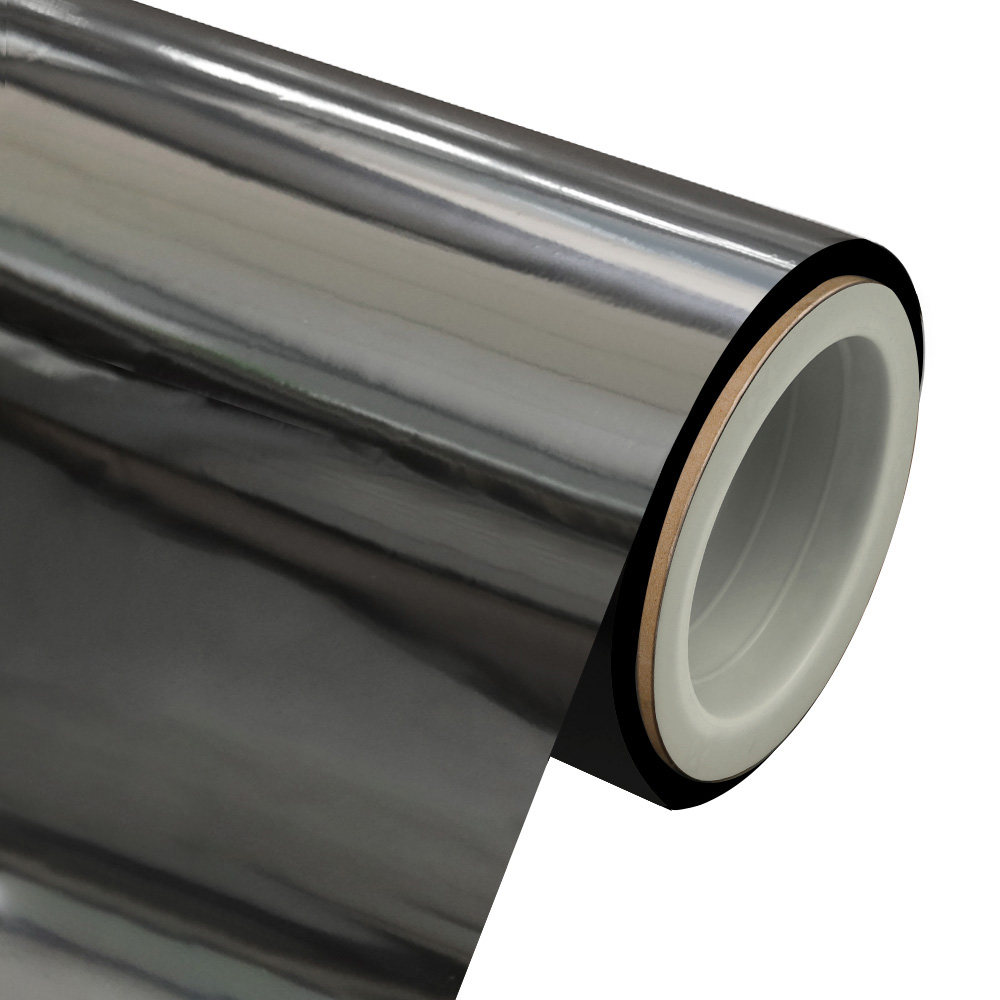
Both Sides Corona Treated Metallized PET Film has become a critical material in modern packaging, labeling, and industrial applications due to its combination of mechanical strength, barrier properties, and printability. The process of corona treatment significantly enhances the surface energy of the film, making it more receptive to coatings, adhesives, and inks.
The Basics of Metallized PET Film
Polyethylene terephthalate (PET) film is widely used in packaging due to its clarity, tensile strength, and chemical resistance. When a thin metallic layer is applied, typically aluminum, it forms metallized PET film, which offers additional barrier properties, including light, oxygen, and moisture resistance. However, the smooth, low-energy surface of untreated PET or metallized PET often results in poor adhesion with inks, adhesives, and coatings. This limitation can compromise the performance of laminated materials, printed labels, and high-barrier packaging.
Table 1: Comparison of Untreated vs. Metallized PET Film Properties
| Property | Untreated PET Film | Metallized PET Film | Both Sides Corona Treated Metallized PET Film |
|---|---|---|---|
| Surface Energy (mN/m) | 35–40 | 30–35 | 45–55 |
| Adhesion to Inks | Poor | Moderate | Excellent |
| Moisture Barrier | Low | High | High |
| Printability | Limited | Moderate | High |
| Flexibility | High | High | High |
The table demonstrates that while metallization improves barrier performance, surface treatment is required to optimize adhesion for subsequent processing steps.
Understanding Corona Treatment
Corona treatment is a surface modification process in which the film passes through a high-voltage electrical discharge, exposing it to ionized air. This process introduces polar functional groups, such as hydroxyl and carbonyl groups, on the polymer surface, thereby increasing surface energy. Higher surface energy improves wettability, enabling inks, coatings, and adhesives to spread uniformly and adhere firmly.
Mechanisms Enhancing Adhesion
- Introduction of Polar Functional Groups: The corona discharge oxidizes the surface, creating polar sites that chemically interact with inks and adhesives.
- Surface Roughening: Although subtle, micro-level roughness increases the contact area, allowing adhesives to anchor mechanically.
- Enhanced Wettability: Increased surface energy lowers the contact angle of liquids, promoting uniform ink coverage and minimizing defects such as skipping or peeling.
These mechanisms collectively ensure that Both Sides Corona Treated Metallized PET Film supports high-quality printing and lamination, critical for demanding applications in food packaging, pharmaceutical labels, and industrial films.
Advantages of Both Sides Treatment
Treating both sides of the film has several advantages over single-sided treatment:
- Bidirectional Adhesion: Both sides treatment ensures uniform adhesion whether the film is used as a laminate core or directly printed on both surfaces.
- Versatility in Applications: Enables the film to be used in complex multilayer structures, including flexible packaging and pouches.
- Enhanced Barrier Integration: When combined with adhesives and coatings, both sides treatment maintains barrier integrity, avoiding delamination.
Table 2: Benefits of Single Side vs Both Sides Corona Treatment
| Feature | Single Side Treated Film | Both Sides Treated Film |
|---|---|---|
| Adhesion on Reverse Side | Low | High |
| Lamination Quality | Moderate | Excellent |
| Printing Flexibility | Limited | High |
| Application in Flexible Packaging | Moderate | Broad |
As shown, both sides corona treatment maximizes functional performance and reduces processing defects in demanding industrial workflows.
Practical Applications in Industry
Both Sides Corona Treated Metallized PET Film is used across multiple industries due to its enhanced adhesion, printability, and barrier properties:
- Food Packaging: Maintains shelf-life by preventing oxygen and moisture ingress while allowing high-quality printing of labels and branding.
- Pharmaceutical Packaging: Ensures secure adhesion of foil laminates and protective coatings, critical for moisture-sensitive medications.
- Flexible Electronics: Provides a stable base for conductive inks and adhesive layers used in flexible circuits or displays.
- Industrial Lamination: Enables the creation of multilayer films for insulation, reflective coatings, and decorative applications.
By choosing Both Sides Corona Treated Metallized PET Film, manufacturers benefit from reduced production errors, enhanced print consistency, and reliable adhesive bonding.
Factors Influencing Adhesion Performance
Several factors determine the effectiveness of corona treatment in enhancing adhesion:
- Surface Energy Level: Higher surface energy directly correlates with stronger adhesion. Proper monitoring ensures consistent quality.
- Treatment Intensity: Voltage, exposure time, and web speed must be optimized; over- or under-treatment can reduce performance.
- Environmental Conditions: Humidity, temperature, and storage conditions influence the retention of surface treatment effects.
- Film Age and Storage: Prolonged storage can lead to partial hydrophobic recovery, reducing surface energy and adhesion efficiency.
Handling and Storage Considerations
To maintain the benefits of Both Sides Corona Treated Metallized PET Film, it is critical to adhere to recommended storage and handling practices:
- Store films in a clean, dry environment at room temperature.
- Avoid contact with low-energy materials such as polyethylene films, which can reduce surface energy.
- Minimize exposure to dust, oil, or other contaminants before printing or lamination.
These precautions preserve the enhanced adhesion properties imparted by corona treatment.
Printing and Coating Compatibility
Corona-treated metallized PET film is compatible with multiple printing and coating techniques:
- Flexographic Printing: The film’s high surface energy allows inks to bond effectively without skipping.
- Gravure Printing: Ensures fine image reproduction and excellent adhesion of metallic or specialty inks.
- Lamination Adhesives: Hot-melt, water-based, and solvent-based adhesives achieve uniform bonding, minimizing delamination risk.
The choice of printing or coating method depends on the application and required visual or functional performance. Proper evaluation ensures optimal results for each specific use case.
Quality Assurance and Testing
To guarantee consistent adhesion performance, suppliers and manufacturers typically implement a combination of surface energy tests, tape tests, and ink adhesion assessments:
- Dyne Test: Measures the wettability of the surface by liquids with known surface tension.
- Tape Test: Applies pressure-sensitive tape to evaluate adhesive strength.
- Ink Pull-Off Test: Assesses print adhesion quality by measuring the force required to remove applied ink.
These methods allow procurement professionals and engineers to verify that Both Sides Corona Treated Metallized PET Film meets technical specifications before integration into production lines.
Sustainability Considerations
While metallized films have historically raised concerns regarding recyclability, advances in film recovery and delamination technologies now enable partial or complete recycling of PET substrates. Additionally, corona treatment does not significantly alter the chemical composition, allowing treated films to remain compatible with conventional PET recycling streams. Manufacturers increasingly consider these aspects in selecting materials for eco-conscious packaging solutions.
Conclusion
Both Sides Corona Treated Metallized PET Film offers a combination of enhanced adhesion, barrier performance, and process flexibility that is indispensable for modern packaging and industrial applications. Through corona treatment, the film achieves high surface energy, improved wettability, and increased mechanical anchoring, enabling consistent adhesion of inks, coatings, and adhesives. Proper handling, storage, and application ensure that these benefits are maintained throughout production and end-use, making the material a reliable choice for high-performance packaging solutions.
Frequently Asked Questions (FAQ)
Q1: Why is both sides treatment important for metallized PET films?
Both sides treatment ensures uniform adhesion on both surfaces, enabling dual-surface printing, lamination, and coating without compromising barrier properties.
Q2: Can corona treatment be applied to already metallized PET films?
Yes, corona treatment is effective on metallized PET films, as it increases surface energy and adhesion while maintaining the underlying barrier properties.
Q3: How long does the enhanced adhesion effect last after corona treatment?
Adhesion retention depends on storage conditions. Proper storage in a clean, dry, and temperature-controlled environment preserves the enhanced surface energy for several months.
Q4: What printing methods are most compatible with both sides corona treated metallized PET film?
Flexographic, gravure, and screen printing methods are highly compatible due to the improved surface energy, which ensures uniform ink adhesion and print clarity.
Q5: Is corona treatment environmentally friendly?
Corona treatment does not introduce chemicals or alter the film’s polymer composition, making it a low-impact surface modification process. It also supports recycling when films are properly delaminated.
References
- Kinloch, A.J. Adhesion and Adhesives: Science and Technology. Springer, 2020.
- Lee, L.H., & Neville, A. Handbook of Adhesion Technology. Wiley-VCH, 2018.
- Harper, C.A. Handbook of Plastic Films. CRC Press, 2021.

Are you ready to work with us?
Start a project
- Quick Links
- Company Profile
- Company Culture
- Qualification
- FAQ
- Product
- ALOx Films
- VMPET
- VMCPP
- VMBOPP
- Coated Film
- Contact Us
- Tel: +86-13456263964
-
Phone : +86-0573-87783633
Phone : +86-0573-87780583 - E-mail : [email protected]
- Address: 6th Xinhe Road, Xieqiao Town, Haining City, Zhejiang Province, China

