

 English
  中文简体
中文简体 
How Is Chemical Treated Metallized PET Film Laminated With Other Materials?
 2026.01.15
 Industry News
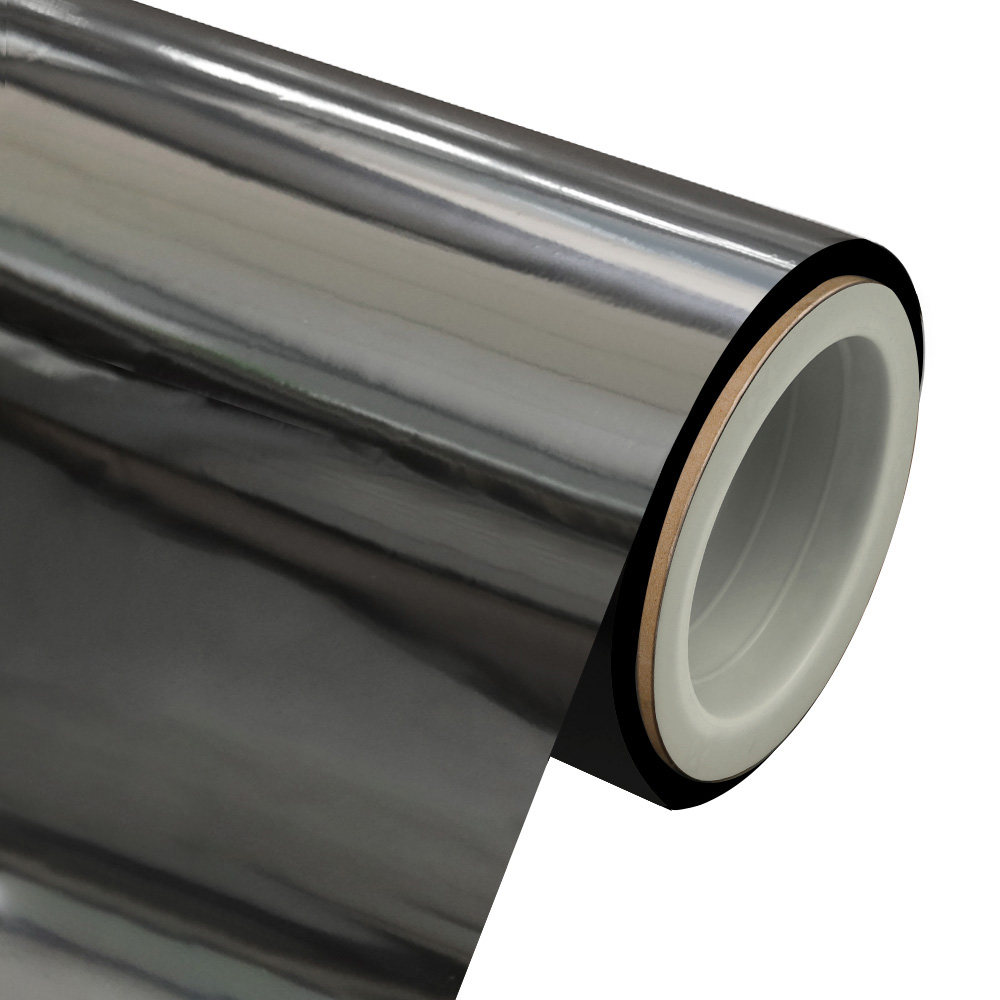
Chemical treated metallized PET film is widely used in packaging, electronics, and industrial applications due to its unique combination of barrier properties, thermal stability, and surface adhesion. The process of laminating chemical treated metallized PET film with other substrates is critical to achieve enhanced functional performance, including mechanical reinforcement, improved barrier properties, and aesthetic appeal.
Properties of Chemical Treated Metallized PET Film
Before exploring lamination methods, it is essential to understand the core properties of chemical treated metallized PET film that influence its interaction with other materials. The film undergoes chemical surface modification to improve its adhesion characteristics, making it suitable for bonding with adhesives, polymers, and metal foils. Key properties include:
- Surface Energy Enhancement: Chemical treatment increases surface energy, promoting better adhesion in lamination processes.
- Barrier Performance: The metallized layer provides oxygen and moisture resistance, essential for food packaging and electronic insulation.
- Thermal and Mechanical Stability: The PET substrate maintains dimensional stability under heat and pressure, ensuring lamination integrity.
- Optical Clarity and Reflectivity: The metallized surface can enhance visual appeal and light-reflective properties in decorative or display applications.
The selection of materials for lamination and the lamination technique are heavily influenced by these properties.
Materials Commonly Laminated With Chemical Treated Metallized PET Film
Chemical treated metallized PET film is laminated with a wide range of materials to achieve targeted functionality. Commonly used substrates include:
- Polyethylene (PE) and Polypropylene (PP): Often used in flexible packaging for moisture barrier enhancement.
- Aluminum Foil: Provides additional barrier properties against gases and light.
- Paper and Paperboard: Used in packaging to combine strength and printability.
- Other PET Films: For multi-layer films where mechanical and optical properties need to be preserved.
- Adhesive Layers: Specialized adhesives are incorporated to ensure permanent and reliable bonding.
The choice of lamination materials depends on the intended application, environmental exposure, and regulatory requirements.
Table 1: Common Lamination Substrates and Their Applications
| Substrate Material | Typical Application | Functional Benefit |
|---|---|---|
| Polyethylene (PE) | Food Packaging | Moisture barrier, flexibility |
| Aluminum Foil | Pharmaceutical Blister Packs | Gas and light barrier |
| Paperboard | Consumer Goods Packaging | Printability, stiffness |
| PET Film | Electronics Packaging | Dimensional stability, transparency |
| Adhesive Layers | General Lamination | Strong adhesion, durability |
Lamination Methods for Chemical Treated Metallized PET Film
The lamination process involves bonding chemical treated metallized PET film with one or more substrates. The main lamination methods include:
1. Adhesive Lamination
In adhesive lamination, a layer of pressure-sensitive, solvent-based, or hot-melt adhesive is applied to the chemical treated metallized PET film. The adhesive promotes strong interfacial bonding between the film and the substrate. Key considerations include:
- Surface Energy Matching: The adhesive must be compatible with the film’s surface energy.
- Curing Conditions: Proper temperature and pressure ensure complete adhesion without damaging the metallized layer.
- Adhesive Thickness: Optimized to prevent bubbling, wrinkling, or delamination.
This method is commonly used for multi-layer flexible packaging, decorative laminates, and labels.
2. Extrusion Lamination
Extrusion lamination involves applying a molten polymer layer directly onto the chemical treated metallized PET film using a coating die, followed by immediate bonding with the secondary substrate. Key features include:
- High Production Efficiency: Continuous process suitable for large-volume production.
- Strong Mechanical Bond: Molten polymer penetrates micro-roughness on the film surface.
- Thermal Considerations: Excessive heat can damage the metallized layer, so process control is critical.
This method is widely used in food and pharmaceutical packaging for its excellent moisture and gas barrier properties.
3. Thermal or Heat Lamination
In thermal lamination, heat and pressure are applied to bond the chemical treated metallized PET film with heat-activated adhesive layers or thermoplastic substrates. Key parameters include:
- Temperature and Pressure Control: Prevents film deformation or metallization damage.
- Lamination Time: Optimized to allow proper bonding while avoiding thermal stress.
- Roller Type and Surface: Ensures uniform contact and prevents scratching.
Thermal lamination is often applied in packaging pouches, electronic insulation layers, and decorative foils.
4. Dry Lamination
Dry lamination utilizes pre-coated adhesive films between the chemical treated metallized PET film and the substrate. The adhesive is activated under controlled temperature and pressure, allowing uniform bonding. Advantages include:
- Reduced Solvent Use: Environmentally friendly process.
- Uniform Bonding: Eliminates uneven adhesive spread.
- Enhanced Surface Finish: Maintains optical clarity and metallization appearance.
This technique is suitable for high-quality packaging and display materials.
Process Considerations and Challenges
Laminating chemical treated metallized PET film requires careful attention to multiple process variables:
- Surface Contamination: Dust, oil, or moisture can hinder adhesion. Surface cleaning is essential.
- Adhesive Compatibility: Selection of adhesives should match the film’s chemical treatment and metallization properties.
- Thermal Sensitivity: Excessive heat or uneven pressure can delaminate the metallized layer.
- Dimensional Stability: Shrinkage or expansion of PET during lamination can affect final product quality.
- Environmental Compliance: Adhesives and lamination processes must meet food contact, electronic safety, and environmental regulations.
Table 2: Key Parameters in Laminating Chemical Treated Metallized PET Film
| Parameter | Recommended Range / Consideration | Impact on Film Performance |
|---|---|---|
| Adhesive Type | Solvent-based, hot-melt, or water-based | Determines bond strength and chemical compatibility |
| Temperature | 80–150°C (dependent on adhesive and substrate) | Excessive heat may cause delamination |
| Pressure | 2–10 MPa | Uniform adhesion without deformation |
| Surface Cleanliness | Free from dust, oil, and moisture | Prevents adhesion failure |
| Speed of Lamination | 10–100 m/min | Balances production efficiency and bond quality |
Performance Evaluation of Laminated Films
After lamination, chemical treated metallized PET film undergoes evaluation for bond strength, barrier properties, optical clarity, and mechanical performance. Standard testing includes:
- Peel Strength Tests: Measures adhesive bonding efficiency.
- Moisture and Oxygen Transmission Rates: Ensures barrier properties are maintained.
- Visual Inspection: Detects air bubbles, wrinkles, or delamination.
- Thermal Stability Tests: Confirms suitability for heat-sealed packaging.
These evaluations are critical for quality assurance and regulatory compliance.
Applications of Laminated Chemical Treated Metallized PET Film
Laminated chemical treated metallized PET film finds application across multiple industries:
- Flexible Food Packaging: Combines mechanical strength, barrier protection, and printability.
- Pharmaceutical Packaging: Enhances moisture, light, and gas resistance for tablets, capsules, and blister packs.
- Electronics and Insulation: Provides electrical insulation and mechanical reinforcement for cables and displays.
- Decorative Laminates: Used in labels, gift wraps, and decorative foils to achieve reflective and glossy finishes.
The choice of lamination method and substrate directly influences the performance, durability, and appearance of the final product.
Environmental and Sustainability Considerations
Sustainability is increasingly important in lamination processes. Key factors include:
- Recyclability: Multi-layer laminates may pose challenges in recycling. Selecting compatible substrates improves end-of-life options.
- Solvent Reduction: Dry and extrusion lamination reduce solvent emissions compared to conventional adhesive lamination.
- Energy Efficiency: Optimizing temperature and pressure minimizes energy consumption.
- Compliance With Food and Electronics Regulations: Ensures safe and sustainable product use.
Integrating sustainability practices enhances both market acceptance and regulatory compliance.
Conclusion
The process of laminating chemical treated metallized PET film with other materials is complex and requires careful consideration of surface treatment, adhesive compatibility, lamination method, and environmental conditions. Successful lamination enhances barrier properties, mechanical performance, and aesthetic appeal, making this film suitable for a wide range of industrial, packaging, and decorative applications. Understanding the properties of the film, selecting compatible substrates, and controlling lamination parameters are critical for achieving consistent, high-quality results.
Frequently Asked Questions (FAQ)
Q1: What is the main advantage of laminating chemical treated metallized PET film?
A1: Laminating enhances barrier properties, mechanical strength, and aesthetic appeal, extending the range of applications.
Q2: Can chemical treated metallized PET film be laminated with paper?
A2: Yes, paper and paperboard are commonly laminated to combine strength and printability with the film’s barrier properties.
Q3: Which lamination method is best for food packaging applications?
A3: Extrusion lamination and thermal lamination are preferred due to moisture and gas barrier performance.
Q4: How does chemical treatment affect lamination performance?
A4: Chemical treatment increases surface energy, improving adhesive bonding and laminate durability.
Q5: Are laminated chemical treated metallized PET films recyclable?
A5: Recycling is challenging for multi-layer laminates, but selecting compatible substrates and adhesives can improve recyclability.
References
- Smith, J. “Advanced Polymer Films in Packaging Applications.” Journal of Materials Science, 2021.
- Lee, M. “Barrier and Laminated Films: Methods and Applications.” Packaging Technology Review, 2020.
- Chen, H. “Surface Treatment and Adhesion in Metallized PET Films.” Polymer Engineering Journal, 2022.

Are you ready to work with us?
Start a project
- Quick Links
- Company Profile
- Company Culture
- Qualification
- FAQ
- Product
- ALOx Films
- VMPET
- VMCPP
- VMBOPP
- Coated Film
- Contact Us
- Tel: +86-13456263964
-
Phone : +86-0573-87783633
Phone : +86-0573-87780583 - E-mail : [email protected]
- Address: 6th Xinhe Road, Xieqiao Town, Haining City, Zhejiang Province, China

