

 English
  中文简体
中文简体 
How Plasma Treatment Turns Metallized PET Film Into a Reliable High Bonding Converting Material
 2026.07.30
 Industry News
The Bonding Challenge Behind Standard Metallized Film
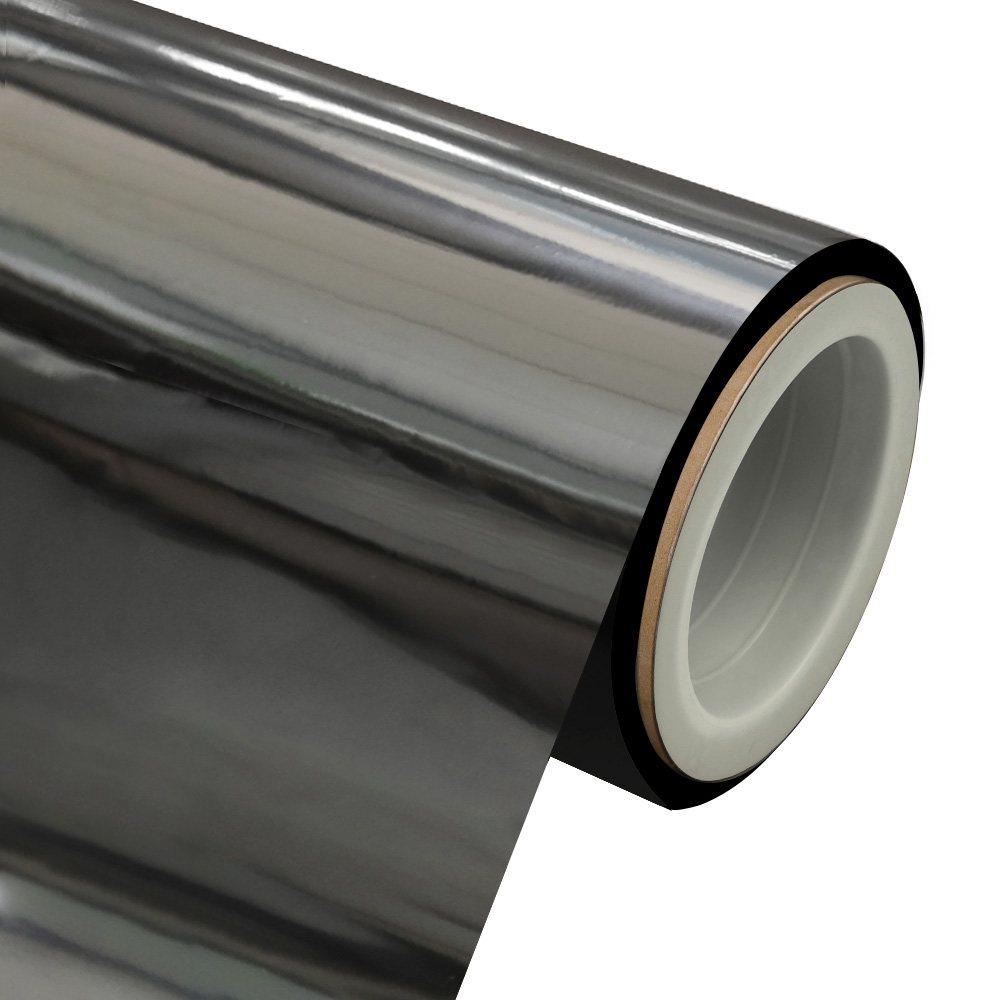
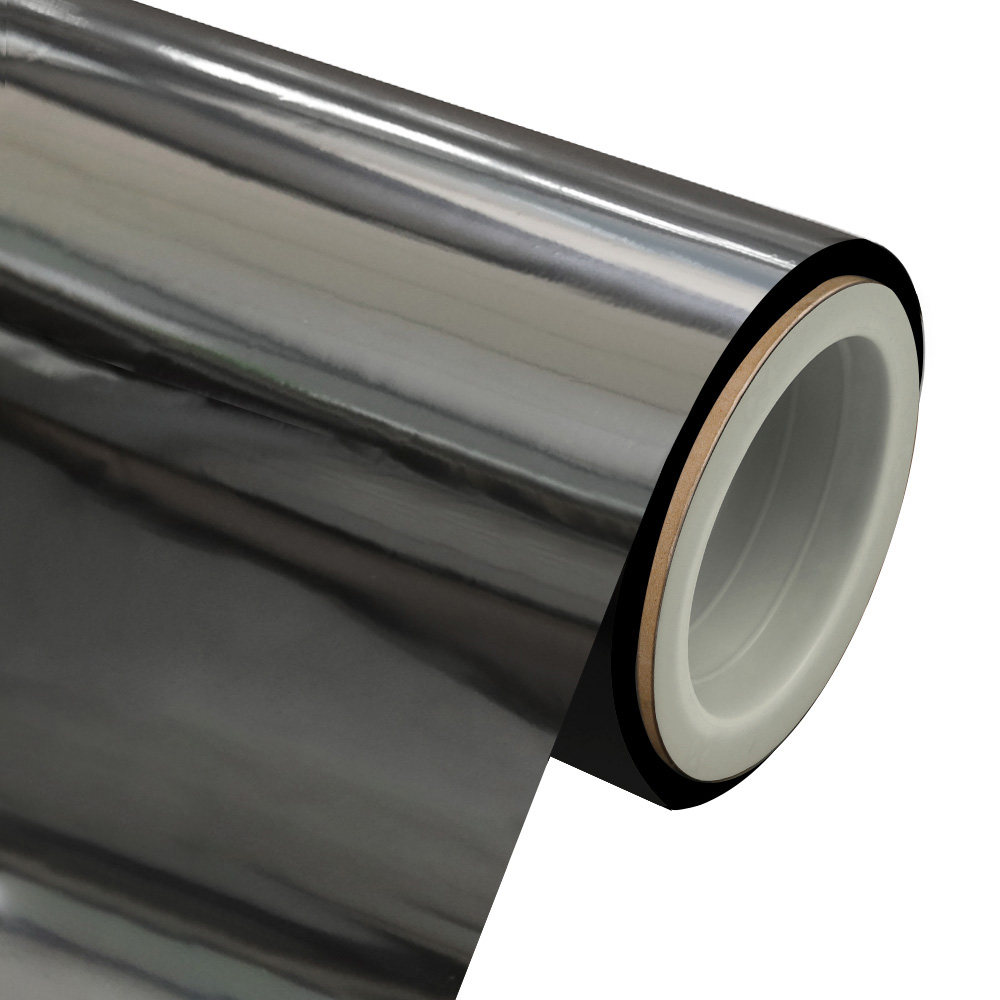
Converters who work with metallized pet film on a daily basis run into the same recurring obstacle: the vacuum-deposited aluminum layer sits on top of a polyester substrate that was never designed to be adhesive-friendly. The metallization process improves barrier properties and gives the film its mirror-like finish, but it also lowers the surface energy of the outer layer. A lower surface energy means adhesives, inks, and laminating layers have a harder time wetting out and forming a durable mechanical or chemical bond.
In practical converting operations, this shows up as delamination during die-cutting, ink lifting during high-speed printing, or seal failures in flexible packaging that has already left the plant. None of these are cosmetic issues. They translate into scrapped material, line stoppages, and customer complaints that are expensive to trace back to a single roll of film.
Common failure points reported by converters
- Adhesive lamination bonds that separate under humidity or temperature cycling
- Printed ink that scratches off during slitting or rewinding
- Coating layers that crawl or bead instead of forming a continuous film
- Reduced bond strength after long-term storage of finished rolls
These are the exact problems that surface activation, and specifically plasma treatment, is designed to solve before the film ever reaches a laminator or printing press.
How Plasma Treatment Changes Surface Chemistry
Plasma treatment exposes the metallized surface to an ionized gas environment inside a controlled chamber. The process bombards the film surface with reactive species that clean off low-molecular-weight contaminants, roughen the surface at a microscopic level, and introduce polar functional groups onto what was previously a low-energy, largely inert aluminum layer. The result is a film that accepts adhesives, coatings, and inks far more consistently than untreated stock.
Unlike corona treatment, which works well on flat plastic films but tends to lose effectiveness quickly on metallized or foil surfaces, plasma treatment is better suited to activating a deposited metal layer because it can modify the surface more uniformly and hold that activation for a longer usable window. This is one of the reasons plasma treated mpet film is specified for applications where bond durability over time, not just at the point of lamination, is critical.
Typical Plasma Treatment Process Flow
The dyne testing step shown above is not optional. Because plasma-activated surfaces can lose treatment level over time, especially in poor storage conditions, film producers test each batch before it ships so converters know exactly what surface energy they are working with.
Surface Energy and Bond Strength: What the Data Shows
Most adhesives and water-based inks require a minimum surface energy to wet out properly. Below that threshold, liquids bead up instead of spreading evenly, which leaves gaps in the bond line. The table below reflects general industry ranges used to evaluate metallized film readiness for converting, without reference to any specific supplier or product line.
| Surface Condition | Typical Surface Energy Range | Bonding Reliability |
|---|---|---|
| Untreated metallized surface | 28 to 34 dyne per cm | Inconsistent, high risk of delamination |
| Corona treated metallized surface | 34 to 38 dyne per cm | Adequate for short-term storage only |
| Plasma treated metallized surface | 40 to 44 dyne per cm | Stable across most lamination and printing processes |
A film that tests within an acceptable surface energy range at the point of manufacture can still fail at the converter if it has been stored for extended periods without protective packaging or exposed to high humidity before use.
This is why many converters request fresh surface energy data alongside the film shipment rather than relying solely on values recorded weeks earlier at the point of production.
Applications That Depend on High Bonding Metallized Film
High bonding metallized film is specified wherever the finished product needs to survive lamination, printing, or coating without the risk of layer separation later in its service life. The table below outlines common end uses and the specific bonding demands each one places on the film.
| Application | Bonding Requirement | Risk if Bonding Fails |
|---|---|---|
| Flexible packaging laminates | Strong adhesive bond to sealant layer | Seal leaks, delamination in transit |
| Insulation facing | Durable bond to fiberglass or foam substrate | Facing separation, reduced insulation performance |
| Decorative and label stock | Ink adhesion under abrasion and folding | Print scuffing, poor shelf appearance |
| Electrical and cable wrap | Consistent bond under thermal cycling | Wrap loosening, reduced shielding effectiveness |
In each of these categories, the cost of a bonding failure is rarely limited to the film itself. It typically involves reworked laminate rolls, rejected finished goods, or warranty claims that trace back to a converting step rather than the raw material specification.
Custom Film Slitting and Converting Considerations
Bond performance is only part of the equation. How the film is slit, wound, and handled before it reaches a laminator also affects the final product. Converters generally look for a supplier that can accommodate the following without compromising the treated surface.
- Narrow-width slitting with clean, burr-free edges to avoid web tracking issues
- Custom roll diameters and core sizes matched to existing laminating or printing equipment
- Controlled winding tension to prevent surface scuffing on the treated side
- Protective interleaving or packaging that preserves surface energy during transit and storage
- Batch-level documentation so converters can trace treatment data back to a specific roll
Why Handling Matters as Much as Treatment
A film that leaves the plasma treatment line at 42 dyne per cm can still arrive at a converter below the usable threshold if it was slit with excessive friction, wound too tightly, or stored in a humid warehouse without adequate wrapping. Converting solutions that account for handling from the point of treatment through final delivery tend to produce more predictable results on the customer's production line.
Quality Control Checkpoints for Converters and Suppliers
Consistent bonding performance depends on quality checks at multiple stages rather than a single inspection at the end of the line. The checklist below reflects the checkpoints most commonly used across plastic film converting and manufacturing operations.
- Incoming raw substrate inspection for thickness uniformity and optical clarity
- Metallization density check to confirm consistent barrier and appearance
- Post-treatment dyne level testing across the full web width, not just the center
- Adhesion testing using tape pull or peel strength methods appropriate to the end use
- Slitting inspection for edge quality, telescoping, and roll hardness
- Storage condition monitoring, including humidity control in the warehouse
Skipping any one of these steps tends to shift the problem downstream, where it becomes more expensive to diagnose and correct. A converter discovering a bonding failure mid-run has far less flexibility than a film supplier catching a treatment gap before the roll ships.
Choosing Between Standard and High Bonding Metallized PET Film
Not every application requires the highest available bond strength, and specifying more treatment than necessary can add cost without a corresponding benefit. The comparison below is intended to help converters match film selection to actual process requirements.
| Factor | Standard Metallized Film | High Bonding Metallized Film |
|---|---|---|
| Typical surface treatment | None or light corona | Plasma activation |
| Best suited for | Short storage, immediate converting | Extended storage or multi-step lamination |
| Print and ink adhesion | Adequate for basic graphics | Stable for fine detail and abrasion resistance |
| Relative material cost | Lower | Moderately higher |
For converters running high-speed lines with tight tolerances, or shipping finished laminates over long distances and time frames, the added consistency of a plasma treated film generally offsets the modest cost difference through fewer line stoppages and lower scrap rates.
Frequently Asked Questions
Q1: What makes metallized PET film harder to bond than uncoated PET film?
The vacuum-deposited metal layer sits on top of the polyester base and naturally has lower surface energy than the raw substrate, which makes it more resistant to adhesive wetting unless it has been surface treated.
Q2: How long does plasma treatment remain effective after production?
Effective duration depends on storage conditions, but properly packaged rolls kept in stable temperature and humidity generally hold usable surface energy for several weeks, while poor storage can shorten that window significantly.
Q3: Can plasma treated film be re-tested before converting?
Yes, dyne level testing can be performed at the converter using standard test solutions or pens, which allows a quick check of surface energy before committing a roll to a production run.
Q4: Is plasma treatment only relevant for lamination applications?
No, it also benefits printing, coating, and metallizing-over-metallizing processes where any liquid layer needs to adhere reliably to the film surface.
Q5: What should converters request from a film supplier to confirm bonding performance?
Batch-specific surface energy data, recommended storage conditions, and, where possible, sample rolls for adhesion testing on the converter's own equipment before a full order is placed.

Are you ready to work with us?
Start a project
- Quick Links
- Company Profile
- Company Culture
- Qualification
- FAQ
- Product
- ALOx Films
- VMPET
- VMCPP
- VMBOPP
- Coated Film
- Contact Us
- Tel: +86-13456263964
-
Phone : +86-0573-87783633
Phone : +86-0573-87780583 - E-mail : [email protected]
- Address: 6th Xinhe Road, Xieqiao Town, Haining City, Zhejiang Province, China

