

 English
  中文简体
中文简体 
How Should Semi Metallized PET Film Be Stored Before Use?
 2026.01.22
 Industry News
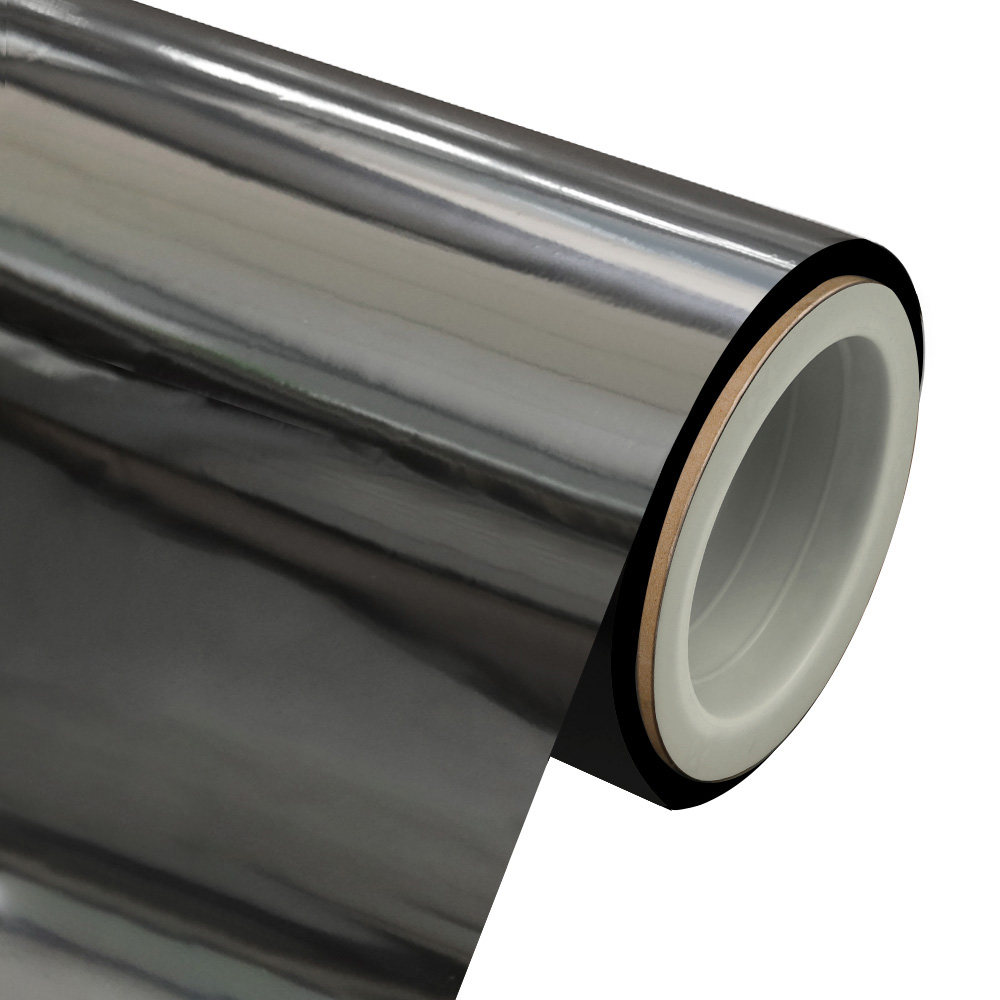
Semi Metallized PET Film is widely used in packaging, electronics, and decorative applications due to its combination of flexibility, reflective properties, and barrier performance. Proper storage of semi metallized PET film before use is essential to maintain its quality and performance. Improper storage may result in surface defects, loss of metallization, or degradation of mechanical properties, which can significantly affect downstream processes such as lamination, printing, and heat sealing.
Understanding Semi Metallized PET Film Properties
Before discussing storage requirements, it is crucial to understand the characteristics of semi metallized PET film. The film typically consists of a polyethylene terephthalate (PET) substrate with a thin metallized coating applied on one side. This combination offers reflective surface quality, dimensional stability, and mechanical strength. Key properties include:
- Tensile strength and elongation: Ensures the film can withstand stretching during processing.
- Thermal resistance: Enables safe use in heat-assisted applications such as thermal lamination.
- Moisture barrier performance: Metallization and PET substrate contribute to moderate resistance to humidity and moisture.
Because of these properties, storage conditions must maintain the integrity of both the PET substrate and the metallized surface to prevent performance deterioration.
Environmental Factors Affecting Storage
Temperature
Temperature is a critical factor in preserving the quality of semi metallized PET film. High temperatures can lead to:
- Thermal deformation of the PET substrate
- Loss of metallization adhesion
- Increased susceptibility to scratches during handling
Conversely, low temperatures may make the film more brittle, increasing the risk of tearing or cracking.
Recommended storage temperature range: 15°C to 25°C (59°F to 77°F).
Humidity
Relative humidity directly affects the film’s surface quality and barrier properties. Excess moisture can:
- Promote hydrolytic degradation of the PET substrate
- Cause metal layer oxidation or loss of gloss
- Reduce adhesion in lamination processes
Optimal humidity range: 40% to 60% relative humidity.
A climate-controlled storage environment is highly recommended for long-term storage to maintain these conditions.
Light Exposure
Extended exposure to UV and visible light can result in photodegradation, which may affect both the PET substrate and metallized surface. To mitigate this:
- Store rolls in opaque or UV-resistant packaging
- Avoid placing film near windows or under direct sunlight
- Limit exposure during handling to minimize potential damage
Air Quality
Airborne dust, chemicals, and particulate matter can adhere to the surface of semi metallized PET film, leading to defects during printing or lamination. Recommendations include:
- Using clean, dry storage rooms
- Implementing dust control measures such as air filters or positive pressure rooms
Storage Orientation and Handling
Roll Orientation
Semi metallized PET film is typically supplied in rolls. Proper orientation is essential:
- Store rolls vertically when space allows, supported by cradles to prevent deformation
- Avoid stacking heavy rolls horizontally, as excessive weight may cause core flattening or film warping
Core and Edge Protection
The film core should be robust to prevent telescoping or edge damage. Protective measures include:
- Using cardboard or plastic end caps
- Ensuring the core is slightly recessed from the roll edges to prevent accidental scratches
Handling Practices
During handling, operators should follow strict protocols:
- Wear clean gloves to avoid fingerprints or oils on the metallized surface
- Use smooth trolleys or lifting equipment to prevent mechanical damage
- Avoid dragging rolls on rough surfaces
Proper handling is critical in preventing surface defects, which may be costly in downstream applications.
Packaging Considerations
The packaging of semi metallized PET film plays a key role in storage safety. Typical packaging strategies include:
| Packaging Type | Advantages | Recommended Use |
|---|---|---|
| Shrink-wrapped rolls | Protects from dust and moisture | Short-term storage |
| Laminated cardboard tubes | Provides structural support | Long-term storage and transport |
| Protective film layers | Minimizes surface scratches | High-gloss or sensitive metallized surfaces |
Additionally, labeling should indicate roll direction, thickness, and metallization side, ensuring proper handling and reducing processing errors.
Shelf Life and Rotation
Even under ideal conditions, semi metallized PET film has a finite shelf life. Factors influencing shelf life include:
- Metallization stability
- PET substrate integrity
- Environmental exposure
Recommended practice: Implement a first-in, first-out (FIFO) rotation system to ensure older stock is used before newer material, minimizing the risk of degradation.
| Storage Duration | Condition | Risk Level |
|---|---|---|
| 0–6 months | Climate-controlled | Minimal |
| 6–12 months | Standard warehouse | Moderate – check surface integrity |
| 12+ months | Non-climate-controlled | High – may require testing before use |
Preventive Measures Against Common Issues
Surface Contamination
To prevent dust and debris adhesion:
- Keep rolls in sealed packaging
- Ensure storage areas are cleaned regularly
Metallization Damage
Prevent scratching or metal layer loss by:
- Using soft handling surfaces
- Avoiding stacking rolls with incompatible materials
Thermal or Humidity Stress
For climate-sensitive environments:
- Use humidity-absorbing desiccants in packaging
- Maintain consistent room temperature to avoid thermal cycling
Inspection Before Use
Prior to processing, inspect each roll for:
- Surface defects
- Edge damage
- Roll shape and tension
Early detection of issues reduces waste and maintains production quality.
Special Considerations for Large-Scale Storage
For warehouses storing significant quantities of semi metallized PET film, additional measures may include:
- Automated racking systems to maintain proper roll orientation
- Environmental monitoring systems to track temperature, humidity, and air quality
- Inventory management software for tracking shelf life and roll usage
Large-scale operations benefit from structured storage protocols to ensure consistent material quality.
Conclusion
Proper storage of semi metallized PET film is crucial to maintain its mechanical, optical, and barrier properties. Key takeaways include:
- Maintaining controlled temperature and humidity
- Protecting the metallized surface from light, dust, and physical damage
- Following proper roll orientation and handling practices
- Implementing packaging and labeling strategies
- Monitoring shelf life and using a FIFO system
By adhering to these guidelines, manufacturers and processors can ensure semi metallized PET film remains in optimal condition, reducing material loss and improving downstream process efficiency.
FAQ
Q1: Can semi metallized PET film be stored outdoors?
A1: No. Outdoor storage exposes the film to UV light, humidity, and temperature fluctuations, which can damage the PET substrate and metallized coating.
Q2: How long can semi metallized PET film be stored without degradation?
A2: Under optimal conditions, the shelf life is typically 6–12 months. Prolonged storage beyond this may require inspection before use.
Q3: What is the best way to prevent scratches on the film surface?
A3: Always handle rolls with clean gloves, use protective packaging, avoid stacking heavy rolls, and maintain a clean storage environment.
Q4: Is it necessary to monitor humidity in storage rooms?
A4: Yes. Maintaining 40–60% relative humidity is critical to prevent moisture-related degradation or metallization loss.
Q5: How should large rolls be stored to prevent deformation?
A5: Store rolls vertically when possible, use supportive cradles, and avoid excessive stacking that may distort the roll shape.
References
- Technical Guidelines for PET Film Handling and Storage, Packaging Science Journal, 2021.
- Properties and Applications of Metallized PET Films, Industrial Materials Review, 2020.
- Best Practices for Flexible Packaging Storage, International Journal of Packaging Technology, 2019.

Are you ready to work with us?
Start a project
- Quick Links
- Company Profile
- Company Culture
- Qualification
- FAQ
- Product
- ALOx Films
- VMPET
- VMCPP
- VMBOPP
- Coated Film
- Contact Us
- Tel: +86-13456263964
-
Phone : +86-0573-87783633
Phone : +86-0573-87780583 - E-mail : [email protected]
- Address: 6th Xinhe Road, Xieqiao Town, Haining City, Zhejiang Province, China

