

 English
  中文简体
中文简体 
How to Choose the Right Polyester Film Distributor for Your Industrial Needs
 2026.04.17
 Industry News
The Strategic Importance of Industrial Film Procurement
Polyester film, commonly known as PET film, serves as a foundational component in modern industrial manufacturing. From electrical insulation and solar panel backsheets to flexible packaging and high-tech electronics, its versatility is unmatched. However, the performance of the end product is inextricably linked to the quality and consistency of the raw material. Navigating the complex landscape of PET film supplier selection requires more than a simple price comparison; it demands a deep understanding of material specifications, supply chain stability, and technical support capabilities.
In an era of global supply chain volatility, industrial buyers must look beyond the immediate transaction. A reliable distributor acts as a bridge between the chemical manufacturers and the end-user, ensuring that the material properties—such as thermal stability, tensile strength, and optical clarity—remain consistent across multiple production batches. When a manufacturer transitions to high-volume production, the nuances of PET film supplier selection become a critical factor in maintaining operational efficiency and reducing waste. Choosing the wrong partner can lead to catastrophic failures, including production line shutdowns, material incompatibility, and financial losses due to substandard yields.
Key Evaluation Criteria for Polyester Film Wholesale
Engaging in polyester film wholesale procurement involves high stakes. Large-scale industrial operations require a partner that can offer more than just a competitive price point. The evaluation process should be rooted in technical data and the distributor's ability to provide customized solutions.
Material Portfolio and Specialization
A professional distributor should maintain a diverse inventory of film types. Industrial needs vary significantly: some applications require chemical treatment for adhesion, while others demand anti-static properties or high-level UV resistance. A distributor with a shallow portfolio may attempt to force a "one-size-fits-all" solution on your process, which inevitably leads to performance compromises.
Quality Management Systems
The presence of rigorous quality control protocols is non-negotiable. Look for distributors who provide comprehensive documentation, including technical data sheets and certificates of analysis for every shipment. Industrial film distribution relies on the traceability of the resin and the manufacturing process to ensure that the film meets the specific tolerances required for precision machinery.
Managing Bulk PET Film Rolls and Inventory
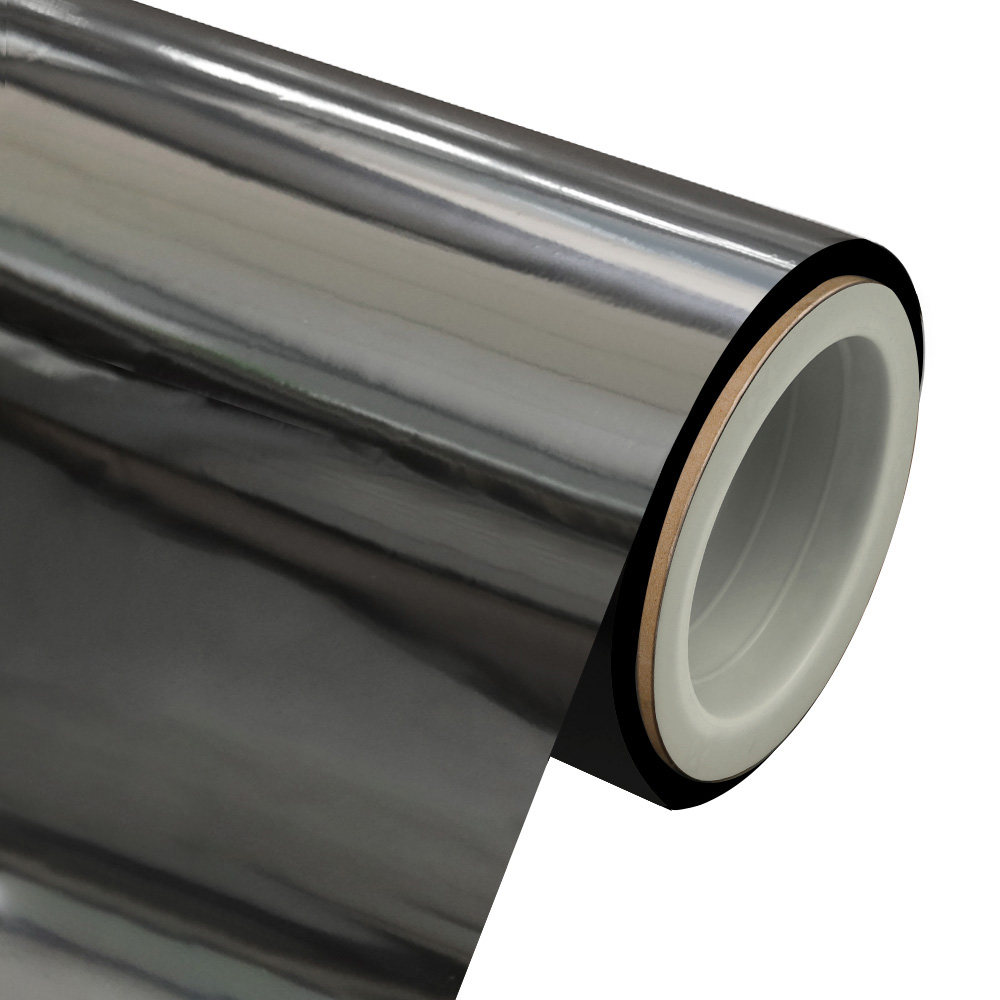
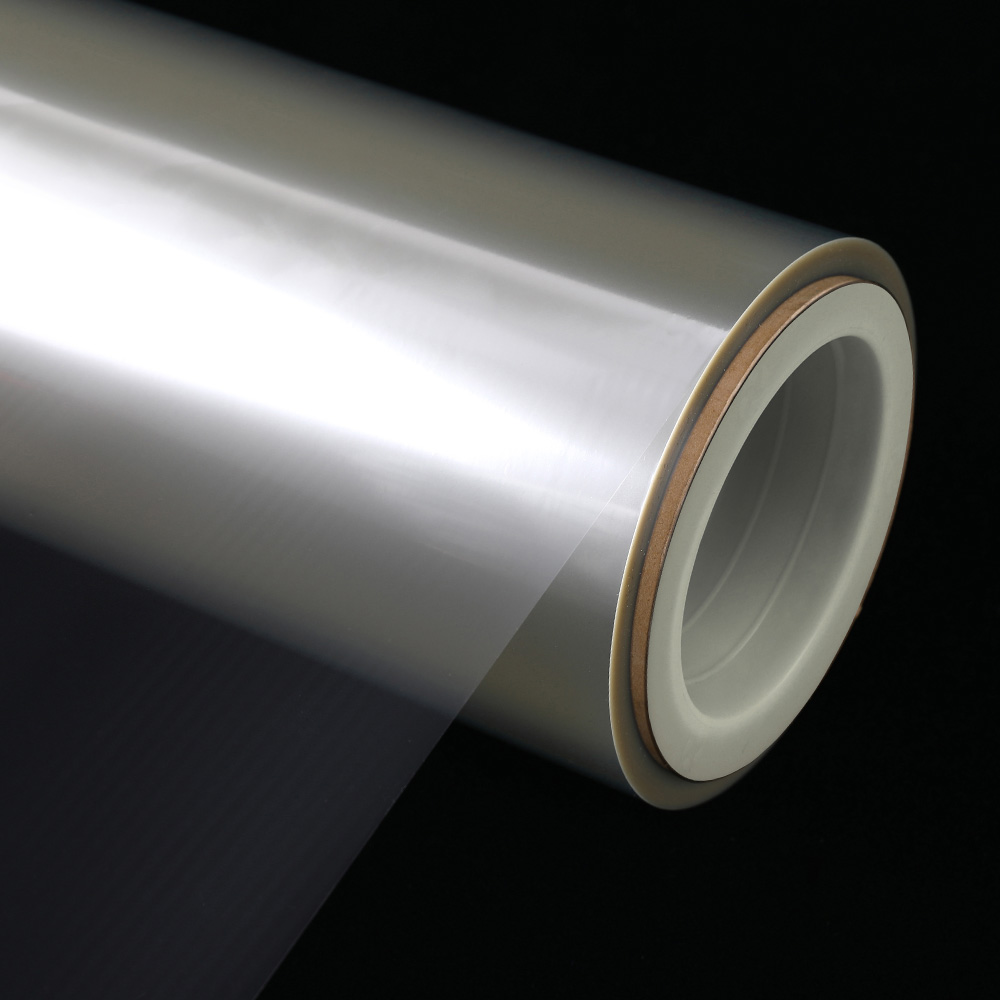
For many manufacturers, the transition from small-batch testing to full-scale production involves the procurement of bulk PET film rolls. Managing this scale of inventory presents unique logistical and storage challenges that a top-tier distributor should help mitigate.
- Core Integrity: Large rolls are heavy. The distributor must ensure that the inner cores (usually 3-inch or 6-inch) are strong enough to prevent crushing during transit or storage.
- Splice Management: In bulk rolls, the number of splices per roll must be minimized and clearly marked. Excessive splices cause tension fluctuations on the production line, leading to web breaks.
- Environmental Control: PET film is sensitive to extreme temperature and humidity. A distributor should use specialized packaging, such as moisture-barrier wraps, to protect the film during sea freight or long-term warehousing.
The table below illustrates the typical technical variations found in bulk roll specifications that a distributor must be able to manage:
| Specification | Standard Grade | High-Performance Grade |
| Thickness Tolerance | +/- 5% | +/- 2% |
| Shrinkage (MD/TD) | Moderate | Ultra-Low |
| Surface Tension | Standard (Dyne) | Enhanced/Treated |
Lead Times and Logistics: The Pulse of Production
Effective lead times and logistics management is often what separates a vendor from a true partner. In industrial manufacturing, time is quite literally money. A delay of three days in receiving a shipment of polyester film can halt a multi-million dollar production line.
Buyers must vet the distributor's logistics network. Do they have local warehousing options? What is their track record with international shipping customs? A robust distributor will offer buffer stock programs or "just-in-time" delivery schedules to ensure that the customer never runs out of material, even during global supply shocks. Strategic logistics planning involves identifying potential bottlenecks in the supply chain, such as port congestion or seasonal freight spikes, and having contingency plans in place.
The Role of Technical Support in Industrial Film Distribution
Industrial film distribution is not merely a logistics business; it is a technical service. Often, manufacturers encounter issues such as static build-up, curling, or poor ink adhesion that they cannot immediately solve. A distributor should have technical experts on staff who understand the science behind the film.
Expertise in slitting and converting is also vital. Most industrial applications require specific widths and lengths. A distributor with advanced in-house slitting capabilities can provide precise edges and consistent winding tension, which are critical for high-speed automated processes. If a distributor lacks these capabilities, the manufacturer is forced to use third-party converters, which adds cost and introduces an extra layer of risk to the material quality.
Sustainable Procurement and Long-Term Stability
The industrial sector is increasingly focused on sustainability. When evaluating a supplier, inquire about their commitment to the circular economy. This includes the availability of films made from recycled content (rPET) and their internal waste reduction practices. However, sustainability must not come at the expense of material integrity. A professional distributor will provide documented proof that their sustainable film variants meet the same mechanical and thermal standards as virgin polyester.
Long-term stability is the final pillar of a successful partnership. The film industry is subject to fluctuations in raw material costs (resins) and energy prices. A distributor with strong relationships with primary manufacturers can offer more stable pricing models and provide early warnings regarding market shifts. This transparency allows industrial buyers to forecast their costs more accurately and maintain their profit margins.
Frequently Asked Questions (FAQ)
Q1: How do I determine the best thickness for my industrial application?
The ideal thickness depends on the mechanical stress and dielectric strength required by your process. Consulting with a technical distributor allows you to test different gauges to find the balance between cost and performance.
Q2: What are the standard lead times for bulk PET film rolls?
Standard lead times vary by region and stock availability. Generally, domestic stock can be shipped within days, while custom-ordered bulk rolls may take several weeks. Establishing a forecast with your distributor is the best way to shorten these timelines.
Q3: Can polyester film be treated for better ink adhesion?
Yes, many industrial distributors offer films that have been corona-treated or chemically primed. These treatments increase surface energy, ensuring that inks, coatings, or adhesives bond securely to the film surface.
Q4: How should bulk rolls be stored to prevent damage?
Rolls should be stored vertically on pallets or suspended in racks to prevent flat spots. They must be kept in a climate-controlled environment away from direct sunlight to maintain their chemical and physical properties.
Q5: What documentation should I expect from a PET film distributor?
You should receive a Technical Data Sheet (TDS), a Material Safety Data Sheet (MSDS), and a Certificate of Analysis (COA) for each batch, ensuring the film meets all regulatory and quality standards.

Are you ready to work with us?
Start a project
- Quick Links
- Company Profile
- Company Culture
- Qualification
- FAQ
- Product
- ALOx Films
- VMPET
- VMCPP
- VMBOPP
- Coated Film
- Contact Us
- Tel: +86-13456263964
-
Phone : +86-0573-87783633
Phone : +86-0573-87780583 - E-mail : [email protected]
- Address: 6th Xinhe Road, Xieqiao Town, Haining City, Zhejiang Province, China

