

 English
  中文简体
中文简体 
How To Maintain The Glossy Finish Of Color Coated Metallized PET Film?
 2026.01.08
 Industry News
Color Coated Metallized PET Film has become a widely used material in various packaging, decorative, and industrial applications due to its combination of durability, aesthetic appeal, and barrier properties. Maintaining its glossy finish is critical for both functional performance and visual attractiveness, particularly in high-end product packaging and display materials.
Understanding Color Coated Metallized PET Film
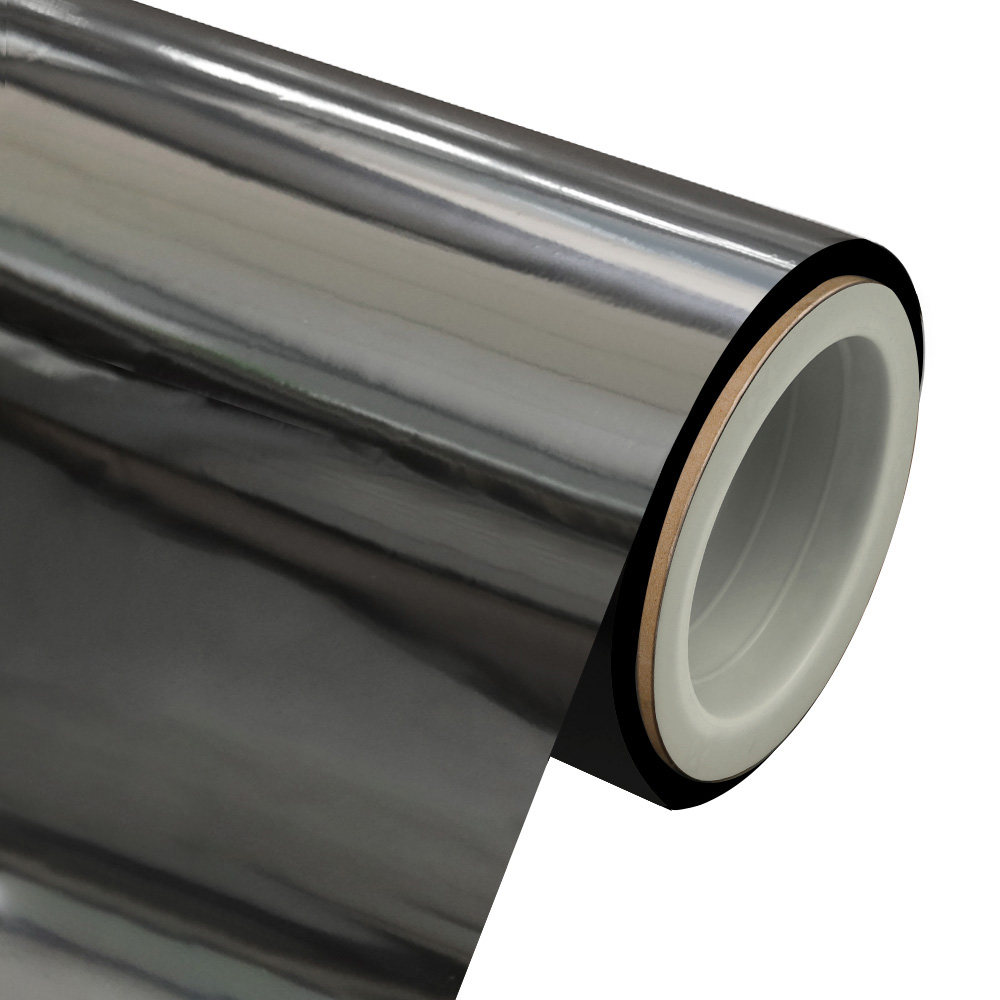
Color Coated Metallized PET Film consists of a polyethylene terephthalate (PET) base that has been metallized, usually with a thin layer of aluminum, and subsequently coated with a colored layer. This combination provides a highly reflective and durable surface with enhanced resistance to moisture, light, and chemicals. The glossy appearance is a primary reason for its selection in luxury packaging, flexible electronics, and decorative films.
The maintenance of the glossy finish relies on understanding the physical and chemical properties of the film. Key properties include:
- Surface Hardness: Determines scratch resistance.
- Color Uniformity: Affects visual quality.
- Barrier Properties: Protect against moisture, oxygen, and light.
Proper handling, storage, and cleaning are essential to avoid surface degradation, which can reduce the effectiveness and attractiveness of the film.
Factors Affecting Gloss Retention
Several factors can influence the maintenance of the glossy finish of Color Coated Metallized PET Film. These include:
Environmental Conditions
Exposure to extreme temperature, humidity, or direct sunlight can degrade the surface. High temperatures may soften the coating, while moisture can promote adhesion loss or clouding. UV exposure can lead to color fading over time. Maintaining controlled storage and operational environments is essential.
Handling Practices
Physical contact, such as scratching with tools or rough handling during processing, can compromise the gloss. Using lint-free gloves, soft surfaces, and proper transfer techniques minimizes the risk of scratches and surface defects.
Contaminants and Residues
Dust, oils, and chemical residues can accumulate on the surface, leading to dullness or uneven reflection. Regular inspection and appropriate cleaning methods are necessary to prevent such contamination.
Manufacturing Variations
Inconsistent metallization or coating during production can result in areas with weaker adhesion, making the surface more susceptible to wear. Understanding the film’s specifications and selecting high-quality Color Coated Metallized PET Film reduces these risks.
Recommended Cleaning Methods
Maintaining the glossy finish requires careful cleaning practices that preserve the surface integrity. The following methods are widely recommended:
Dry Cleaning
Using soft microfiber cloths or antistatic brushes to remove loose dust and debris is often the safest initial approach. Dry cleaning avoids introducing moisture or solvents that could interact with the coating.
Wet Cleaning
When dry cleaning is insufficient, gentle wet cleaning can be applied. It is important to use deionized water or mild neutral detergents, ensuring:
- Avoiding abrasive sponges or brushes.
- Using minimal pressure to prevent scratching.
- Drying the surface immediately with a soft, lint-free cloth.
Table 1 summarizes recommended cleaning approaches based on surface conditions:
| Surface Condition | Recommended Method | Notes |
|---|---|---|
| Light Dust | Dry microfiber cloth | No moisture required |
| Fingerprints or Oils | Mild detergent + deionized water | Rinse thoroughly and dry immediately |
| Sticky Residues | Isopropyl alcohol (low concentration) | Test a small area first; avoid prolonged contact |
| Heavy Dust + Debris | Compressed air + soft brush | Hold at an angle to avoid direct impact |
Avoiding Harmful Substances
Strong acids, alkalis, or organic solvents can damage both the metallization and the color coating. It is crucial to avoid acetone, ammonia-based cleaners, or harsh abrasives.
Storage and Handling Recommendations
Proper storage and handling are critical to preserving the glossy finish of Color Coated Metallized PET Film:
Storage Guidelines
- Temperature Control: Store in a temperature range recommended by the manufacturer, generally between 18–25°C.
- Humidity Control: Maintain relative humidity below 60% to avoid moisture-induced degradation.
- UV Protection: Store rolls in opaque packaging to prevent light exposure.
Handling Guidelines
- Use of Gloves: Always handle the film with clean, lint-free gloves to prevent fingerprints and oils.
- Flat Surface Support: Ensure the film is placed on smooth, clean surfaces during processing.
- Avoid Sharp Objects: Keep tools and machinery surfaces free of scratches or rough edges.
Table 2 provides a comparison of common handling errors and their potential effects on gloss quality:
| Handling Error | Effect on Gloss Finish | Preventive Measure |
|---|---|---|
| Direct contact with metal | Scratches and abrasions | Use soft padding and gloves |
| Stacking without support | Pressure marks and surface deformation | Store vertically or on soft support |
| Excessive bending | Cracking or peeling of coating | Follow recommended roll diameters |
| Dust accumulation | Surface dullness | Regular dry cleaning and covered storage |
Inspection and Quality Assurance
Regular inspection ensures that the Color Coated Metallized PET Film maintains its desired appearance and performance. Quality assurance procedures include:
- Visual Inspection: Check for scratches, color inconsistency, or hazy areas.
- Gloss Measurement: Gloss meters can quantify surface reflectivity.
- Sample Testing: Periodically test small sections to evaluate resistance to cleaning agents and handling.
Adopting a systematic inspection routine allows early identification of potential degradation, preventing widespread damage.
Advanced Preservation Techniques
For applications requiring long-term gloss retention, additional protective measures may be employed:
Protective Overlays
Transparent protective films or laminates can be applied to safeguard the colored metallized surface from abrasion and environmental exposure.
Anti-Static Treatments
Electrostatic charge can attract dust to Color Coated Metallized PET Film. Anti-static sprays or ionized air can reduce dust accumulation, preserving the glossy finish.
Controlled Work Environment
Maintaining cleanroom conditions for high-end applications, such as electronics or luxury packaging, minimizes particulate and oil deposition, which can diminish surface gloss.
Common Challenges and Solutions
Despite careful maintenance, certain issues may arise. Key challenges include:
- Surface Clouding: Often caused by moisture or incompatible cleaning agents.
- Scratches and Abrasions: Resulting from improper handling or contact with rough surfaces.
- Color Fading: Due to prolonged exposure to UV light.
Solutions involve using proper storage, cleaning, and handling practices. Preventive maintenance is always preferable to post-damage correction.
Conclusion
Maintaining the glossy finish of Color Coated Metallized PET Film requires a combination of careful handling, appropriate cleaning, controlled storage, and regular inspection. By understanding the material properties and adhering to best practices, the film’s visual and functional qualities can be preserved, ensuring optimal performance for packaging, decorative, and industrial applications.
Frequently Asked Questions (FAQ)
Q1: Can I use regular household cleaners on Color Coated Metallized PET Film?
A1: It is not recommended. Only mild detergents or deionized water should be used to avoid damaging the coating.
Q2: How should I store Color Coated Metallized PET Film long-term?
A2: Store in a cool, dry, and dark environment, avoiding exposure to UV light, high humidity, and temperature fluctuations.
Q3: Is it necessary to wear gloves when handling Color Coated Metallized PET Film?
A3: Yes. Gloves prevent fingerprints and oils from dulling the surface finish.
Q4: What is the best method to remove stubborn residues?
A4: Use low-concentration isopropyl alcohol, testing on a small area first to ensure compatibility.
Q5: How frequently should inspection be performed?
A5: Inspections should be conducted regularly, especially before processing, packaging, or shipment.
References
- Smith, J. (2020). Advanced Materials in Packaging: Properties and Applications. Packaging Science Journal, 15(4), 112–130.
- Chen, L. (2019). Metallized Films: Surface Treatment and Gloss Retention. International Journal of Coating Technology, 24(2), 45–58.
- Brown, T. (2021). Plastic Films for Decorative and Industrial Uses. Material Science Review, 33(1), 67–85.

Are you ready to work with us?
Start a project
- Quick Links
- Company Profile
- Company Culture
- Qualification
- FAQ
- Product
- ALOx Films
- VMPET
- VMCPP
- VMBOPP
- Coated Film
- Contact Us
- Tel: +86-13456263964
-
Phone : +86-0573-87783633
Phone : +86-0573-87780583 - E-mail : [email protected]
- Address: 6th Xinhe Road, Xieqiao Town, Haining City, Zhejiang Province, China

