

 English
  中文简体
中文简体 
Barrier Coatings for Food Packaging: Types, Selection Guide & Benefits
 2026.10.01
 Industry News
Imagine opening a bag of roasted nuts two months after production and finding them still crisp, or cutting into a block of cheese that has not dried out or absorbed off-flavors. The difference between that experience and a disappointing, stale product is usually invisible: a thin functional layer, often less than one micrometer thick, applied to the packaging film. Barrier coatings for food packaging are the central engineering tool that converters and brand owners use to control oxygen, moisture, aroma, and light. In practical terms, the choice of barrier coating has a greater effect on shelf life than almost any other packaging decision, because it determines how quickly the packaged food degrades.
What Are Barrier Coatings for Food Packaging?
Barrier coatings are functional layers applied to base films such as PET, BOPP, CPP, or BOPA to reduce the permeation of gases, water vapor, aromas, and in some cases UV light. They are produced by three main routes: vacuum deposition of aluminum (metallization), reactive evaporation of aluminum oxide (AlOx), and solution-based or water-based coating of polymers such as PVDC, acrylic, and PVA.
The mechanism is straightforward. A coating creates a dense, continuous layer that forces permeant molecules to follow a longer and more tortuous path through the film structure. The result is expressed as OTR (oxygen transmission rate, in cc/m²/day) and WVTR (water vapor transmission rate, in g/m²/day). The lower the OTR and WVTR, the longer the expected shelf life of the packaged food.
Barrier coatings do not make a package airtight by themselves; they make it functionally airtight for the shelf life a product requires.
The Main Types of Barrier Coatings
Choosing the right coating family is easier once you understand the three broad technologies available to flexible packaging converters: metallized coatings, transparent oxide coatings, and polymer coatings.
Metallized Coatings: Vacuum-Deposited Aluminum
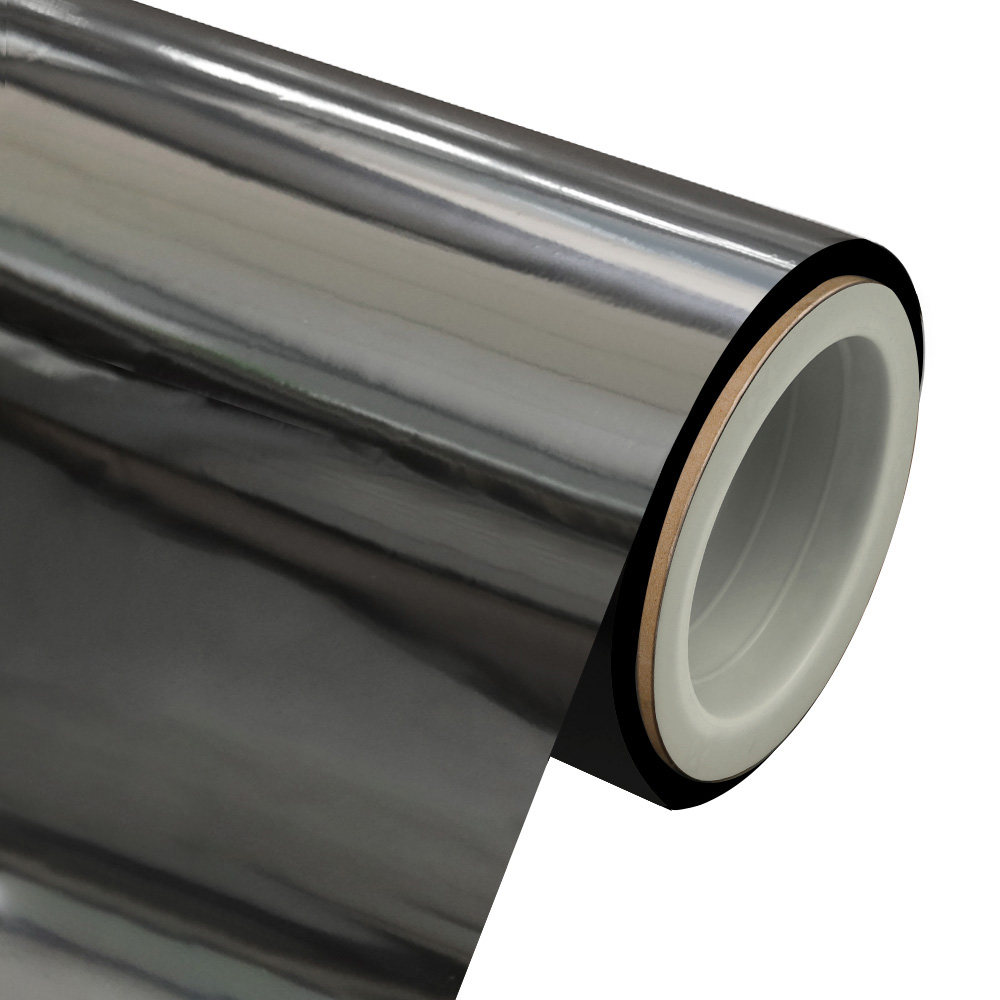
Vacuum metallization deposits a thin aluminum layer onto a film surface, typically a few tens of nanometers thick, creating a reflective finish that blocks both gas and light. Metallized PET and metallized CPP are standard in snack, coffee, and confectionery packaging because they combine strong barrier performance with good mechanical strength and heat-sealing behavior. When the packaged product demands maximum oxygen protection, a high-barrier metallized PET film is usually the first choice.
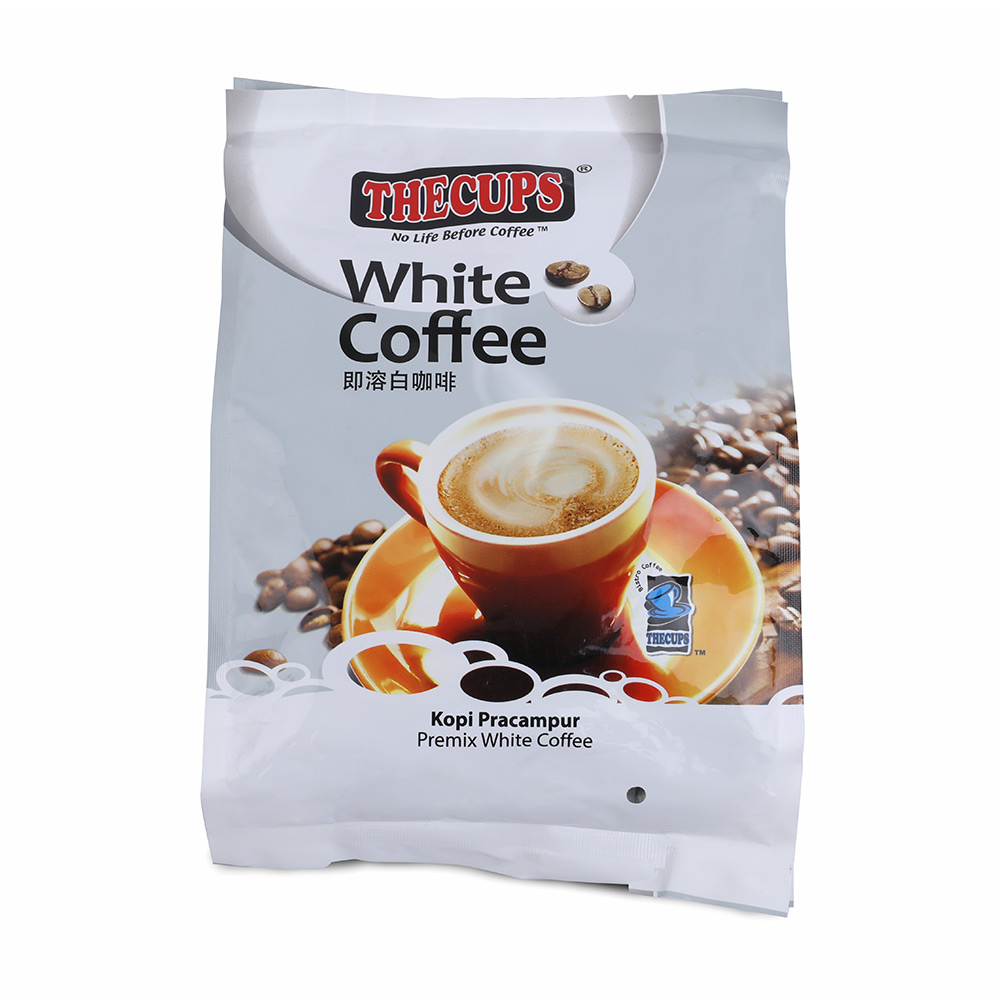 High Barrier Metallized PET Film for Food PackagingThis metallized PET film offers strong gas and moisture barrier with a glossy finish, making it a practical choice for snacks and biscuits. Its stiffness and lamination compatibility are highlighted in the surrounding discussion.View Product →
Transparent Oxide Coatings: AlOx
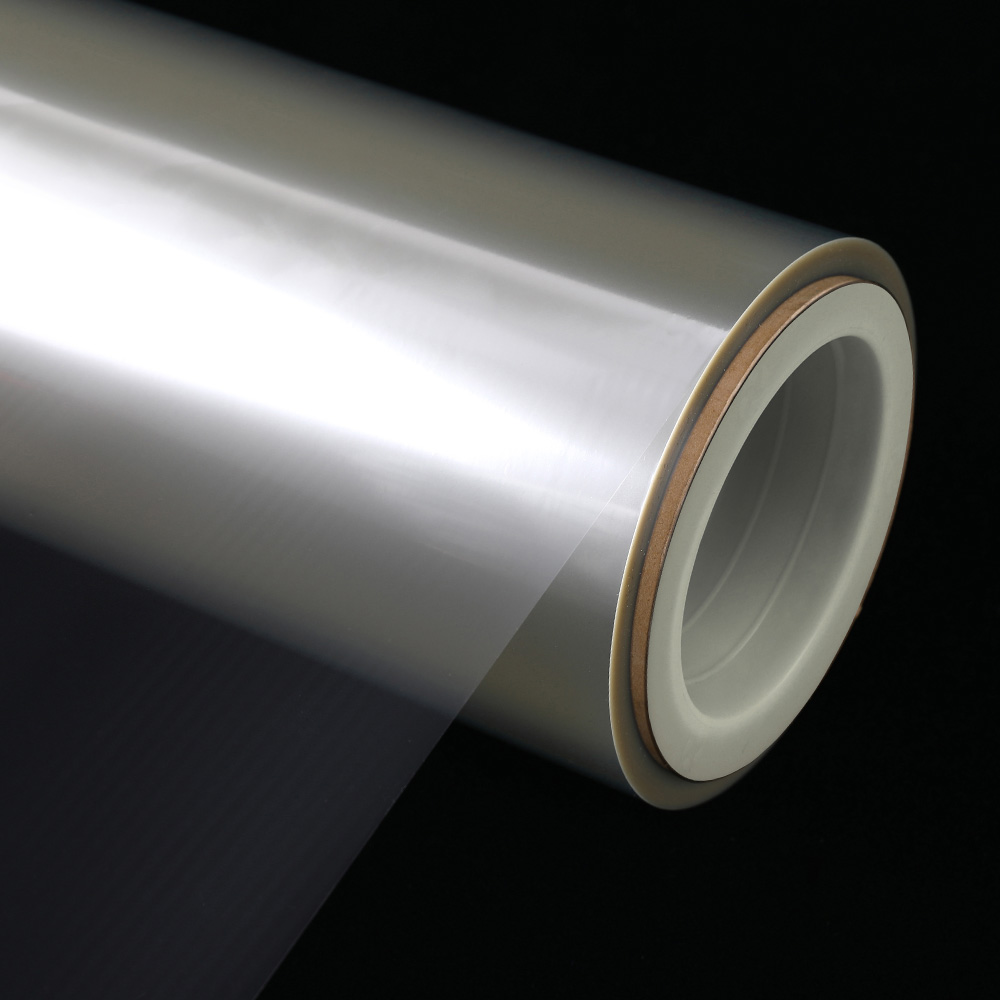
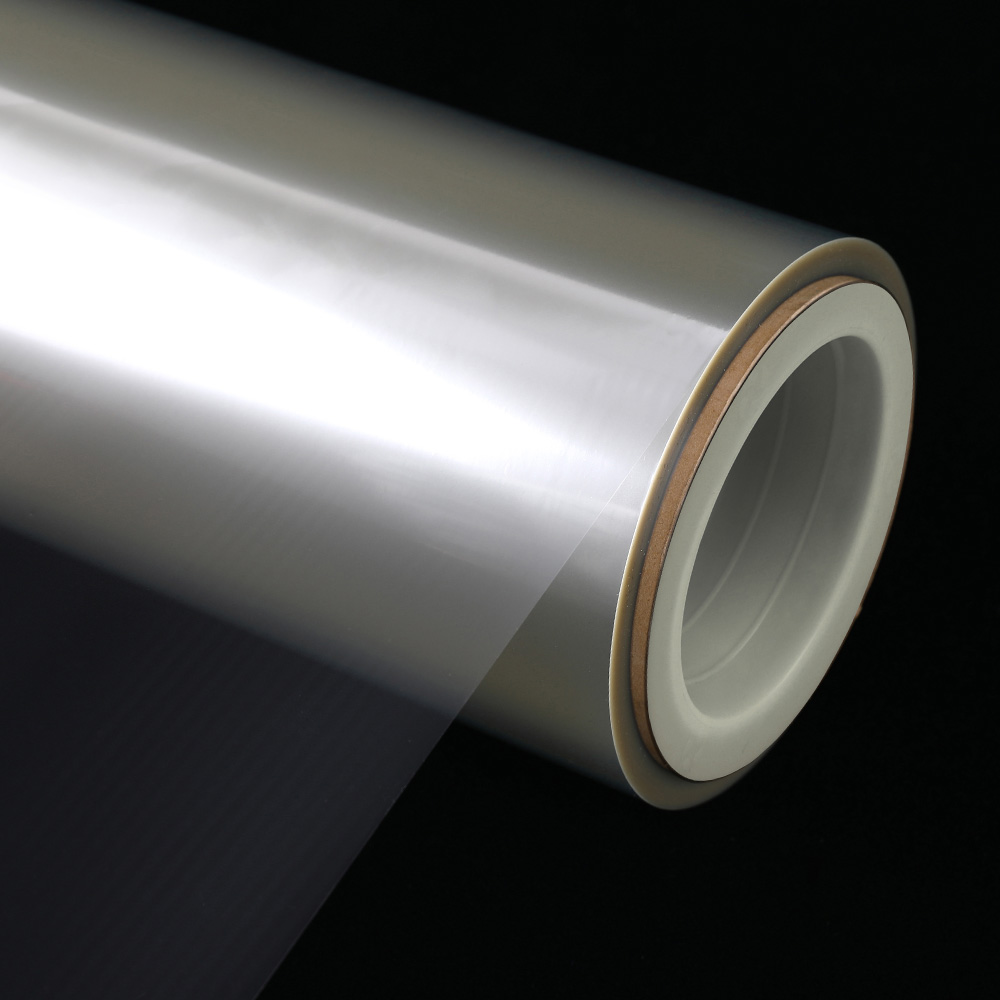
Aluminum-oxide-coated films provide a transparent barrier that is microwave-safe and allows consumers to see the product before purchase. AlOx PET is widely used in premium coffee, dried fruit, cheese, and liquid packaging where product visibility is a requirement. Because the coating is non-metallic, it also avoids interference with metal detectors on filling lines and is more forgiving in downstream recycling and detection processes.
 Transparent Barrier AlOx Coated PET FilmThis transparent aluminum-oxide coated PET film provides a microwave-safe, non-metallic barrier that suits premium food packaging needing product visibility, as noted in the nearby text about AlOx films.View Product →
Polymer Coatings: PVDC, Acrylic, and PVA
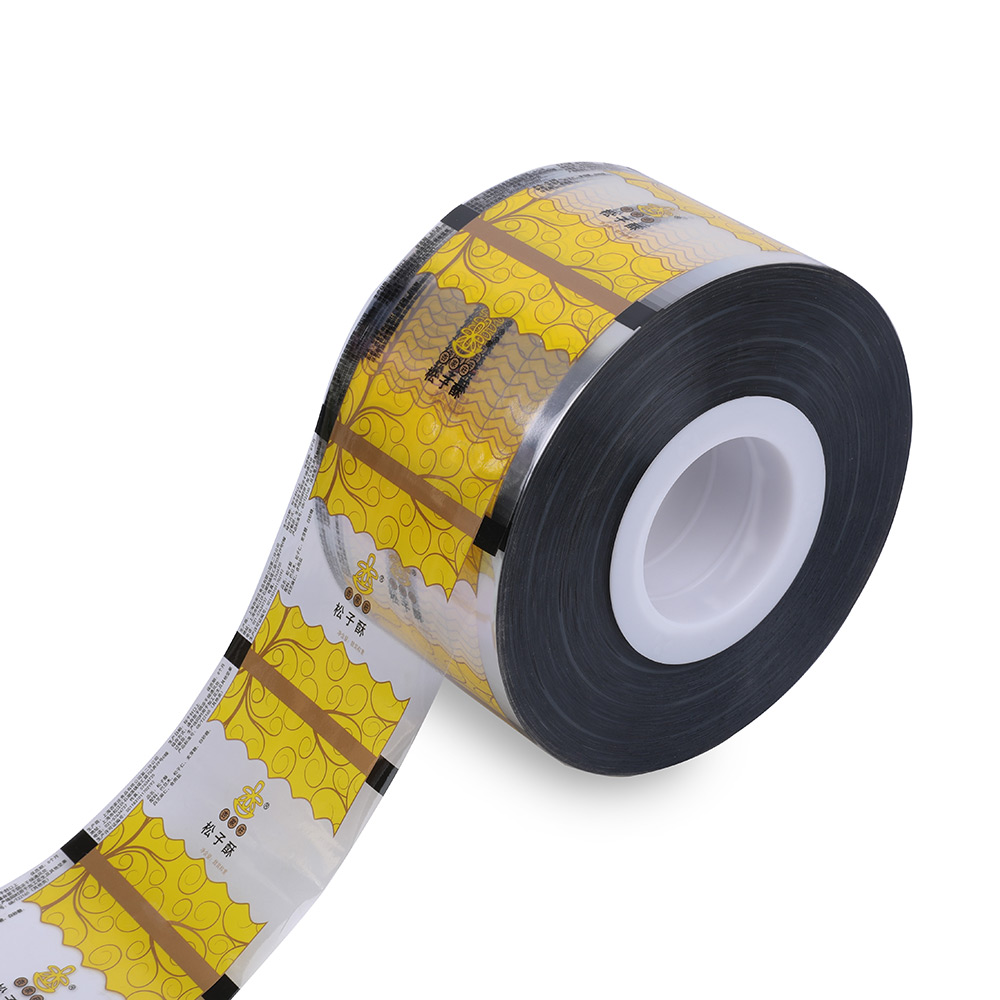
Polymer coatings are applied by roller or gravure coating and can be tailored for specific functions. PVDC provides excellent oxygen and aroma barrier combined with moisture resistance, and PVDC-coated BOPA is common for boiled and retort food packaging. Acrylic coatings improve printability, surface gloss, and scuff resistance. PVA coatings deliver strong oxygen barrier in dry conditions and are often paired with PET or BOPA base films. Many high-performance structures combine these polymer coatings with metallization to reach very low OTR and WVTR values.
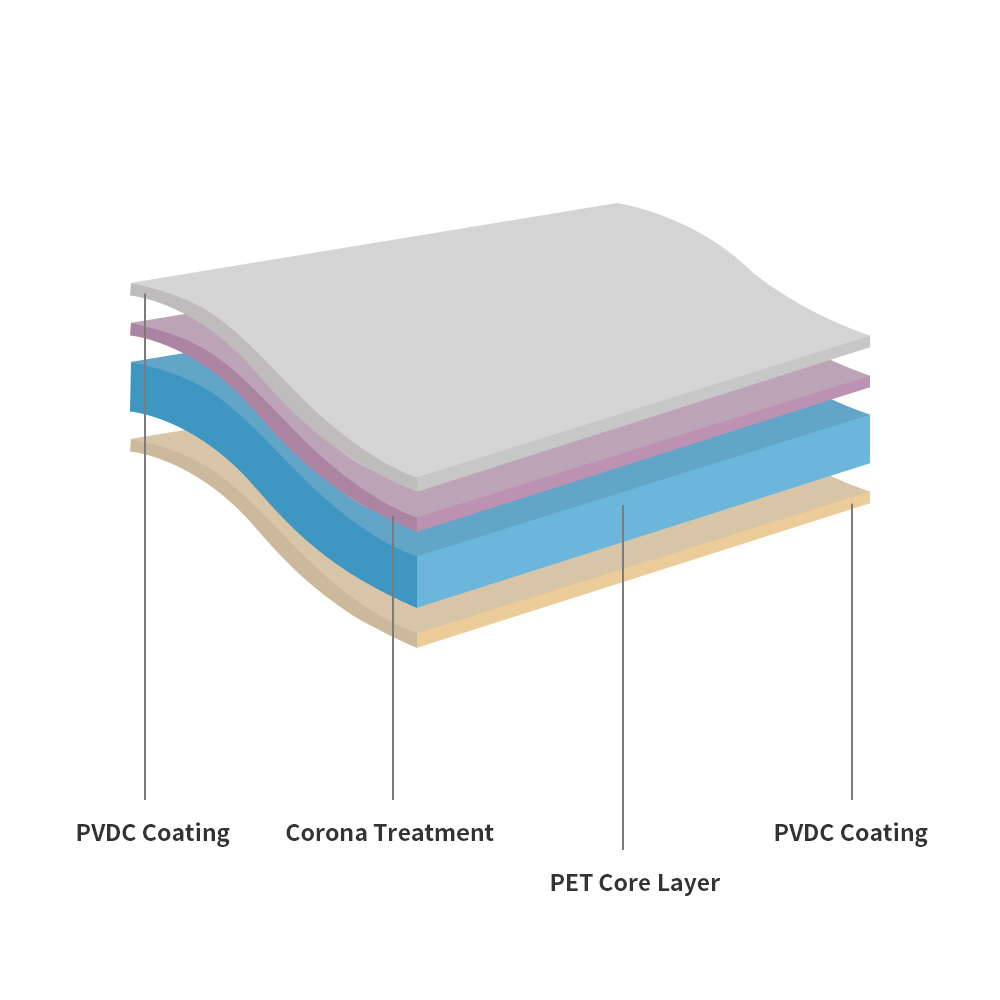 PVDC Coated PET Film for High Barrier NeedsWith PVDC on both sides, this PET film delivers oxygen, aroma, and moisture barrier plus oil resistance, fitting items like nuts and cakes. The preceding text links such coatings to retort and fried food applications.View Product →
To understand where each coating family fits in a complete package structure, we recommend reading about the role of functional coatings on polyester film for advanced food packaging.
| Coating type | Application method | Appearance | Typical OTR (cc/m²/day) | Typical WVTR (g/m²/day) |
|---|---|---|---|---|
| Metallized aluminum | Vacuum deposition | Opaque, reflective | < 2 | < 1 |
| Aluminum oxide (AlOx) | Reactive evaporation | Transparent | 2-5 | 2-5 |
| PVDC | Solvent / water coating | Transparent | 5-15 | 3-8 |
| Acrylic | Solvent / water coating | Transparent | 50-150 | 10-30 |
| PVA | Solution coating | Transparent | 3-10 (dry) | Humidity-dependent |
Values shown above are typical industry ranges for coated films, not guaranteed specifications of a single product. Actual performance depends on base film, coating weight, and the final laminated structure.
< 2 cc/m²/day
Typical OTR range for metallized PET
< 1 g/m²/day
Typical WVTR range for metallized PET
Transparent
AlOx and polymer coatings keep visibility
How to Select the Right Barrier Coating
The starting point is always the product, not the film. A short-shelf-life bakery item, a long-life coffee pack, and a retorted meat pouch have completely different requirements. Work through these five factors in order.
- Define the barrier target. Set OTR and WVTR limits based on the required shelf life and the product's sensitivity. Oxygen-sensitive foods such as nuts and ground coffee need very low OTR; moisture-sensitive powders need very low WVTR.
- Decide on transparency. If the consumer must see the food, choose AlOx or polymer coatings. If the package benefits from a metallic look or needs light protection, metallized films are appropriate.
- Check converting compatibility. The coated film must withstand printing, lamination, and heat sealing without losing barrier performance or adhesion. Coating adhesion and surface tension are critical here.
- Consider filling and processing conditions. Hot-fill, boiling, or retort sterilization require coatings that tolerate high temperature and moisture without delamination.
- Confirm compliance early. Coating materials must meet food-contact regulations in the target markets, for the coating itself and for the final laminated structure.
For most flexible packaging structures, the decision narrows to a comparison between metallized and transparent oxide solutions. Both are represented in our high-barrier product range, and the choice depends on the shelf-life and visibility targets discussed above.
The table below maps common food categories to suitable barrier coating families.
| Food category | Main deterioration risk | Suggested barrier coating |
|---|---|---|
| Coffee, tea, spices | Oxygen, aroma loss | Metallized PET or AlOx PET |
| Snacks, nuts, chips | Oxygen, moisture | Metallized PET / CPP, PVDC-coated films |
| Cheese, processed meat | Oxygen, moisture | AlOx PET or PVDC-coated BOPA |
| Ready meals, retort pouches | Oxygen, heat | PVDC-coated BOPA (boil / retort grade) |
| Dry powders, instant drinks | Moisture | High-barrier metallized PET |
Food-Safety and Regulatory Compliance
A barrier coating can protect shelf life only if it is also safe in direct or indirect food contact. In the United States, the relevant basis is FDA food-contact regulation; in the European Union, framework regulation (EC) No 1935/2004 and its material-specific measures apply. The critical documents are migration test reports, typically issued by accredited laboratories such as SGS, and a declaration of compliance from the film supplier.
Manufacturing consistency is part of food safety. A supplier operating under an ISO 9001 quality management system will usually provide more reliable batch-to-batch barrier and migration performance. It is also worth asking about the supplier's involvement in standards development; participation in national quality standards for food-packaging films indicates deeper technical capability and a stricter internal quality culture.
Finally, monitor the interface between coating and base film. Poor adhesion can cause aluminum or oxide transfer during lamination or sealing, which destroys barrier performance and creates visible defects. Surface treatment such as chemical priming or corona treatment is often required to stabilize adhesion. When sourcing coated films, request adhesion and scratch-resistance data alongside OTR and WVTR values.
Frequently Asked Questions
Q1: What is the difference between a barrier coating and a barrier film?
A barrier coating is the functional layer that blocks permeation; a barrier film is the complete product, consisting of the base substrate, the coating, and any optional surface treatment. For example, AlOx-coated PET is a barrier film whose functional coating is aluminum oxide.
Q2: Can transparent AlOx film replace metallized film?
Yes, when transparency, microwave compatibility, or metal-free detection is required. However, the barrier performance of an AlOx layer is generally somewhat lower than that of a metallized aluminum layer, so the shelf-life target must be verified before substitution.
Q3: What do OTR and WVTR values mean in practice?
OTR measures the volume of oxygen passing through one square meter of film per day under defined conditions; WVTR measures the mass of water vapor passing through the same area per day. Lower numbers represent a better barrier. Always compare values measured at the same temperature and relative humidity.
Q4: Are coated barrier films safe for direct food contact?
Films produced with approved coating materials and validated processes are safe when migration limits are met. Buyers should request FDA or EU migration documentation from the supplier and confirm that the entire laminated structure, including adhesives and inks, complies with the regulations of the target market.
Barrier coatings for food packaging are a decision area where small specification changes produce large shelf-life differences. The practical path is to translate the product's shelf-life target into OTR and WVTR requirements, select the coating family that matches the visual and processing needs, and then verify compliance and adhesion data before qualifying a supplier. Manufacturers with transparent AlOx experience and a full range of metallized and coated films, such as Zhejiang Changyu New Materials, can simplify this process because they offer consistent quality across multiple barrier technologies.

Are you ready to work with us?
Start a project
- Quick Links
- Company Profile
- Company Culture
- Qualification
- FAQ
- Product
- ALOx Films
- VMPET
- VMCPP
- VMBOPP
- Coated Film
- Contact Us
- Tel: +86-13456263964
-
Phone : +86-0573-87783633
Phone : +86-0573-87780583 - E-mail : [email protected]
- Address: 6th Xinhe Road, Xieqiao Town, Haining City, Zhejiang Province, China

