

 English
 中文简体

KBOPA Film Packaging Uses: PVDC-Coated BOPA for Boil & High-Barrier Applications
 2026.11.19
 Industry News
A boil bag for cooked meat needs more than an attractive print. The film has to survive near-boiling water or steam, stop oxygen from reaching the food, resist punctures from bones and shells, and stay transparent enough for the consumer to see what is inside. That combination is exactly what KBOPA film was developed for.
KBOPA is a PVDC-coated biaxially oriented polyamide (BOPA) film used mainly in food packaging that requires a transparent high oxygen barrier plus heat resistance for boiling or retorting. If you are replacing aluminum foil or metalized film with a clear solution, KBOPA is normally one of the first structures to evaluate.
What Is KBOPA Film?
KBOPA is not a stand-alone material; it is a composite structure. A BOPA base film, sometimes called nylon film or ONy, is coated on one or both sides with a thin layer of polyvinylidene chloride (PVDC). The "K" in the name is the conventional abbreviation for PVDC coating.
Each layer earns its place:
- BOPA base film delivers tensile strength, puncture resistance, flex-crack resistance, and suitability for thermal processing.
- PVDC coating cuts oxygen transmission, raises water-vapor barrier, and helps retain aroma, which is important for coffee, tea, spices, and cooked meat.
- Transparent appearance is kept because neither layer needs metal pigment; this matters when brand owners want product visibility.
Our overview of PVDC-coated film applications shows how the same coating behaves on PET and BOPP substrates. On BOPA, the benefit is the combination of a tough base with a strong barrier.
Boiling99-100 °C for boil bags
RetortHigh-temperature steam process
TransparentClear high-barrier layer
Our PVDC-coated BOPA line includes two practical grades: KNY17-Normal for standard barrier laminates and KNY17-Boil for boiling and retort packaging.
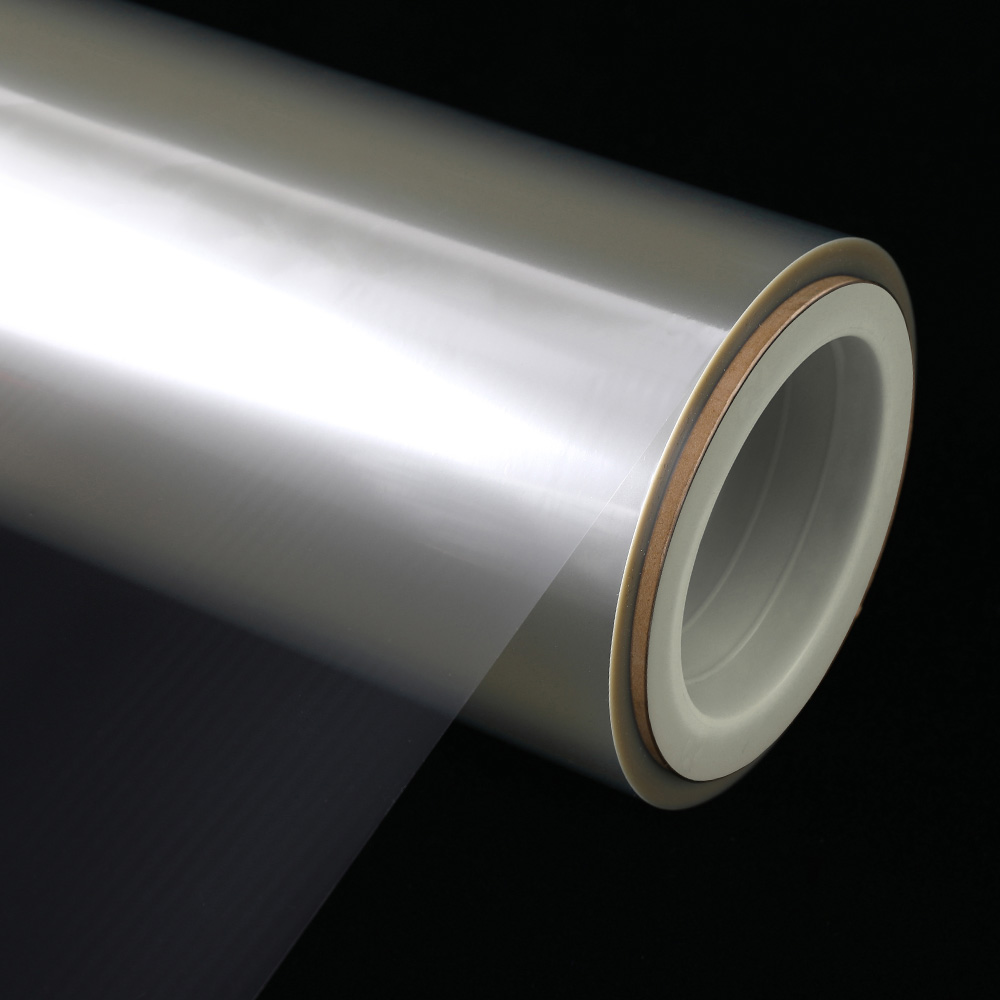
 KNY17 Normal PVDC Coated BOPA Film for Standard Barrier LaminatesThis transparent nylon film with PVDC coating provides oxygen, water vapor, and fragrance barriers for vegetable, oil, and meat packaging, making it a practical choice where standard barrier performance is required.View Product →
Primary Packaging Uses of KBOPA Film
If you are looking for one sentence to remember: KBOPA is used wherever food is packed transparent, then boiled, retorted, or protected from oxygen and odor pickup.
Common end uses in the flexible packaging industry include:
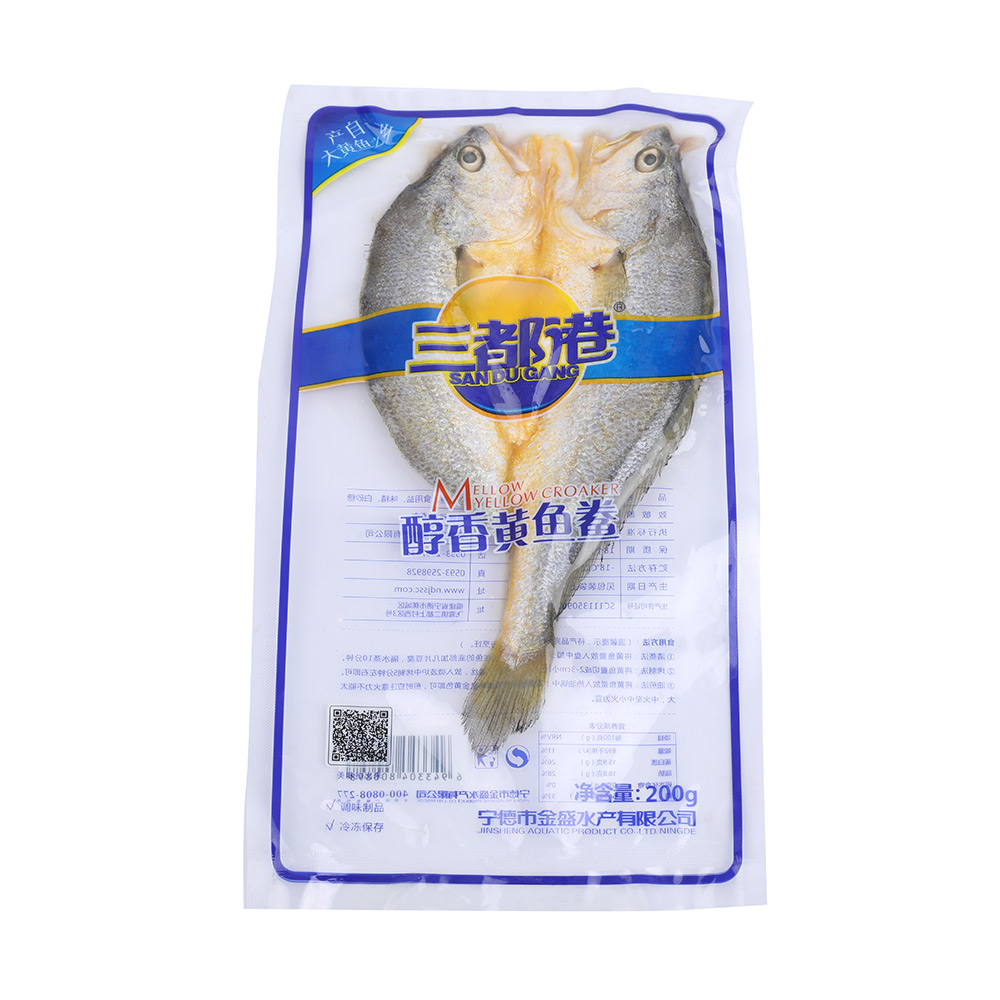
- Boiled poultry, sausage, and cooked meat. Products such as chicken fillets, ham, and meatballs are often packed in boil bags. KNY17-Boil can handle the hot-water process while the PVDC layer keeps oxygen out during storage.
- Seafood and surimi. Crab legs, fish fillets, and shellfish can puncture weak film. The BOPA base resists tearing, while the coating protects the delicate taste.
- Tea, coffee, and spices. Aroma retention is a PVDC strength. Clear KBOPA lets consumers see leaf color or bean shape without sacrificing barrier.
- Cooked rice, noodles, and ready meals. Retort or boil processing demands film with heat resistance and seal integrity. KBOPA laminates are regularly used in this category.
- High-fat or high-moisture foods. Nuts, cheese, pickles, and sauces are sensitive to oxygen and moisture. A KBOPA-based laminate slows those changes and extends shelf life.
| End-use | Package format | Why KBOPA is specified |
|---|---|---|
| Cooked meat, sausage | Boil bag, retort pouch | Heat resistance + oxygen barrier |
| Seafood, surimi | Vacuum pouch | Puncture resistance + flavor protection |
| Tea, coffee, spices | Stand-up pouch with clear window | Aroma retention + transparency |
| Cooked rice, noodles | Retort pouch | Thermal process stability |
| Nuts, cheese, pickles | Sachet or pouch | Oxygen and moisture control |
For boiling and retort applications, the heat-resistant grade is the safer choice because the coating and base film are formulated to keep performance after thermal processing.
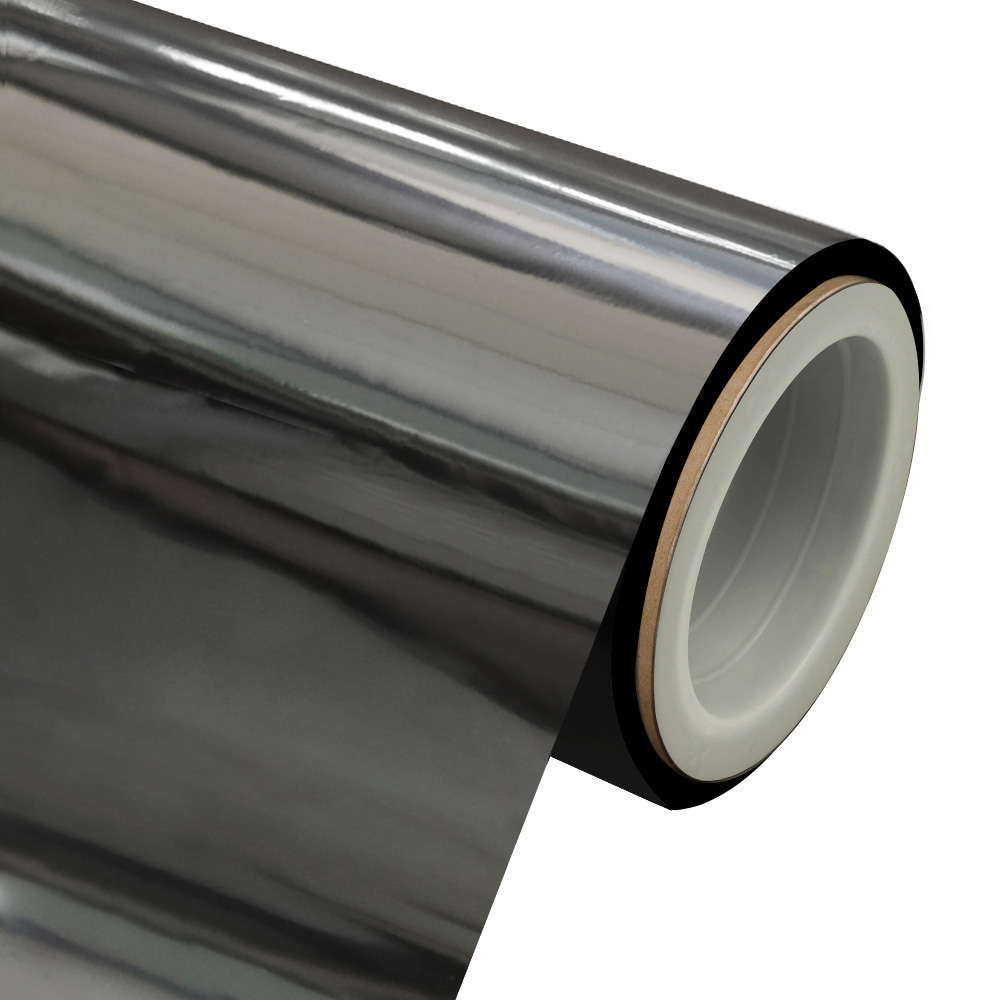
 KNY17-BOIL Heat-Resistant PVDC Coated BOPA Film for Boiling and RetortFormulated to withstand boiling at 95°C for up to 30 minutes, this grade suits boiled and retort packaging while retaining oxygen and water vapor barrier properties, extending shelf life for processed foods.View Product →
Key Performance Considerations for KBOPA Film
When you evaluate KBOPA for your structure, the purchasing conversation should cover more than price per kilogram. The properties below decide whether the film will survive your process and protect your product.
Oxygen and water-vapor barrier
PVDC coating is the reason KBOPA appears in barrier laminates. Typical coated BOPA films reach oxygen transmission rates below 20 cm³/(m²·24h) at 23 °C and 0% RH, and water-vapor transmission below 15 g/(m²·24h) under tropical testing conditions. These numbers are directionally useful, but always check the exact grade because coating weight and formulation change the result.
Mechanical toughness
BOPA's puncture resistance and flex-crack resistance protect food with sharp edges, such as bones, shells, or hard noodles. This is a key advantage over PET-based alternatives in high-puncture-risk packages.
Heat resistance and process window
KNY17-Boil is designed for boiling at 99-100 °C and for retort processes at higher temperatures. Confirm the sealant film and the adhesive system in your lamination, because those materials also have to survive the same thermal history.
Printing and lamination behavior
PVDC-coated BOPA surfaces are normally corona treated to improve adhesion. You can print flexo or gravure and laminate to PE or CPP, but the ink system and adhesive must be compatible with the coated surface. A quick bonding test on production equipment is still the best verification.
For retort packaging, check not only the film but also the adhesive and the sealant layer. A film change is often only half of the solution.
| Property | KBOPA | Plain BOPA | Metalized PET | AlOx PET |
|---|---|---|---|---|
| Transparency | High | High | Opaque | High |
| Oxygen barrier | High | Medium | Very high | High |
| Water-vapor barrier | Medium-high | Low | Very high | Medium |
| Boil / retort suitability | High | High | Limited | Medium |
| Typical cost position | Medium-high | Medium | Low-medium | High |
Ratings are directional and depend on grade, coating weight, and lamination structure. Use them to screen options, not as final specifications.
Frequently Asked Questions about KBOPA Film
Q1: What is the difference between KBOPA and regular BOPA film?
Plain BOPA gives you strength, transparency, and good flex-crack resistance, but its water-vapor barrier is limited and its oxygen barrier is only moderate. The PVDC coating in KBOPA significantly improves both and adds aroma retention. If your product is sensitive to moisture or odor, KBOPA is usually the better structure.
Q2: Can KBOPA film be used in retort pouches?
Yes, but you should select a boil/retort-grade product such as our KNY17-Boil and validate the complete laminate. Retort temperature, time, and internal product pressure affect both the film and the seal. Adhesive and sealant layers must be rated for the same process.
Q3: Does the PVDC coating cause printing problems?
PVDC-coated BOPA is designed to be printed and laminated, and the surface receives corona treatment before coating. Still, consult your ink and adhesive supplier before production. A bonding test on the actual structure is the most reliable way to confirm adhesion.
Q4: When should I choose KBOPA instead of a metalized film?
Choose KBOPA when the package needs a clear window, when the product must be visible, or when metal appearance is not acceptable. Metalized films give stronger water-vapor barrier and often a lower material cost, but they hide the food. KBOPA keeps the barrier advantages in a transparent format.
Q5: Is KBOPA film food-contact compliant?
Food-contact compliance depends on the exact grade and the complete laminate. Reputable manufacturers supply FDA or EU declarations and supporting test results for their coating systems. Confirm this documentation before starting volume production.

Are you ready to work with us?
Start a project
- Quick Links
- Company Profile
- Company Culture
- Qualification
- FAQ
- Product
- ALOx Films
- VMPET
- VMCPP
- VMBOPP
- Coated Film
- Contact Us
- Tel: +86-13456263964
-
Phone : +86-0573-87783633
Phone : +86-0573-87780583 - E-mail : [email protected]
- Address: 6th Xinhe Road, Xieqiao Town, Haining City, Zhejiang Province, China

