

 English
  中文简体
中文简体 
Metallized-film barrier properties: Where do they come from?
 2026.03.24
 Industry News
The Source of Barrier Properties in Metallized Films: A Direct Answer
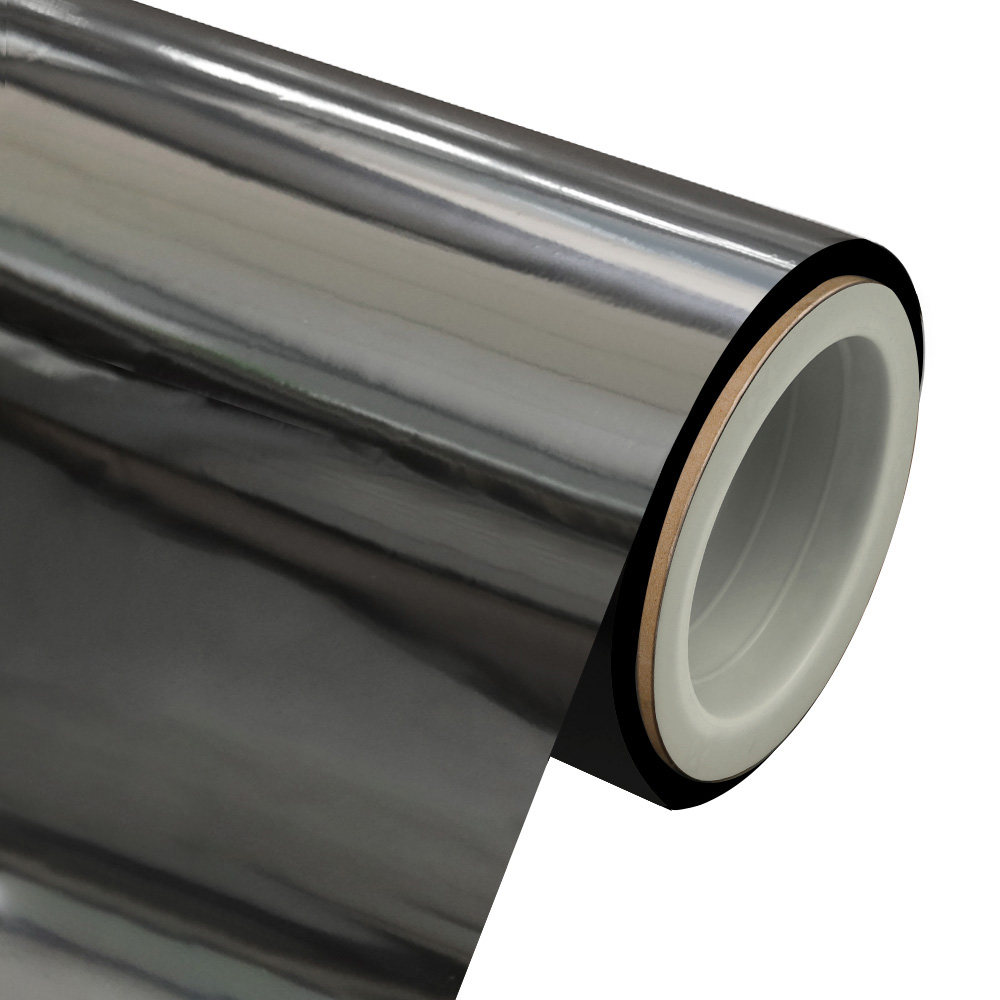
The barrier properties of metallized films come primarily from a thin metallic layer — typically aluminum — deposited onto a polymer substrate through vacuum deposition. This metal layer physically blocks the transmission of oxygen, moisture, and light. The thicker and more uniform the metal layer, the lower the Oxygen Transmission Rate (OTR) and Water Vapor Transmission Rate (WVTR). In practice, aluminum layers of 30–100 nm can reduce WVTR to below 0.5 g/m²/day and OTR to below 1 cm³/m²/day, making metallized films highly effective for flexible packaging applications.
However, the metal layer alone does not guarantee performance. The surface quality of the base film, the adhesion between the metal and the substrate, and any post-metallization treatments all play equally critical roles in determining final barrier performance.
How Vacuum Metallization Creates the Barrier Layer
The barrier in metallized films is built during the vacuum deposition process. Aluminum wire is fed into a high-vacuum chamber and evaporated at temperatures above 1,200°C. The vaporized aluminum condenses uniformly onto the moving polymer film, forming a continuous metallic layer.
Key parameters that directly influence barrier quality include:
- Optical Density (OD): A commonly used proxy for metal layer thickness. Higher OD (e.g., OD 2.8–3.2) generally correlates with better barrier performance.
- Deposition speed: Faster winding speeds can reduce layer uniformity, creating micropores that degrade barrier properties.
- Vacuum level: Higher vacuum reduces contamination and oxidation during deposition, resulting in a denser, more reflective aluminum layer.
- Film surface smoothness: Rougher surfaces cause uneven metal deposition, increasing pinhole density and reducing barrier effectiveness.
A pinhole-free, defect-free aluminum layer with high OD is the foundation of superior metallized film barrier properties.
The Role of the Base Film in Barrier Performance
The polymer substrate is not a passive carrier — it actively shapes the final barrier outcome. The most widely used base films for metallization are:
| Base Film | Key Advantage | Typical Application |
| BOPET (Biaxially Oriented PET) | Excellent dimensional stability, smooth surface | Food packaging, laminates |
| BOPP (Biaxially Oriented PP) | Low cost, good flexibility | Snack food, confectionery |
| BOPA (Biaxially Oriented Nylon) | High puncture resistance | Meat, cheese packaging |
| CPP (Cast Polypropylene) | Heat-sealable, moisture resistant | Retort pouches, inner seal |
Among these, BOPET (metallized PET) consistently delivers the highest barrier performance due to its low surface roughness (Ra typically <10 nm), high thermal stability during deposition, and excellent dimensional uniformity. These properties allow for thinner, more uniform aluminum layers with fewer defects.
Surface pre-treatment of the base film — including corona treatment and primer coating — is also critical. Untreated film surfaces repel aluminum atoms during deposition, reducing adhesion and creating voids in the metal layer.
Why High Bonding Metallized Film Matters for Barrier Retention
One of the most overlooked aspects of barrier performance is metal-to-film adhesion. Even a perfectly deposited aluminum layer will fail if it delaminates from the substrate during converting, lamination, or flexing.
High bonding metallized film refers to metallized film engineered to maintain strong adhesion between the aluminum layer and the polymer substrate — even under mechanical stress. The practical benefits are significant:
- Barrier integrity during lamination: Poor adhesion causes the metal layer to crack or separate during solvent-based or adhesive lamination processes, creating pathways for oxygen and moisture ingress.
- Resistance to flex cracking: Packaging films are flexed repeatedly during filling, sealing, and shipping. High bonding films maintain >95% of their barrier properties even after 1,000 flex cycles, whereas standard metallized films may lose 30–50% of barrier performance.
- Compatibility with high-speed printing and converting: Strong metal adhesion prevents transfer of the aluminum layer onto rollers, printing plates, or adhesive surfaces.
Chemical treatment of the metallized surface is one of the most effective ways to achieve high bonding. Chemical-treated metallized PET film undergoes a surface activation process that modifies the aluminum oxide layer, significantly improving its ability to bond with inks, coatings, and adhesives — making it the preferred choice for demanding laminate structures.
Surface Treatment Technologies That Enhance Barrier and Bonding
Post-metallization surface treatments are used to improve both barrier performance and adhesion. The main technologies in use today include:
Corona Treatment
Electrical discharge treatment oxidizes the metal surface, raising surface energy from ~30 mN/m to >50 mN/m. This dramatically improves wettability for inks and adhesives. However, corona treatment effects can diminish over time (within weeks), especially in high-humidity environments.
Chemical Primer Treatment
A thin chemical primer layer (typically <1 µm) is applied to the metallized surface. This creates a stable chemical bond between the aluminum and any subsequent adhesive or ink layer. Chemical-treated metallized films typically achieve peel strength values 40–60% higher than untreated equivalents, providing durable bonding across a range of lamination and printing conditions.
Plasma Treatment
Used in premium applications, plasma treatment achieves even higher surface activation than corona, and its effects are more durable. It is especially useful for films that will be stored for extended periods before converting.
Oxide Barrier Coatings (AlOx, SiOx)
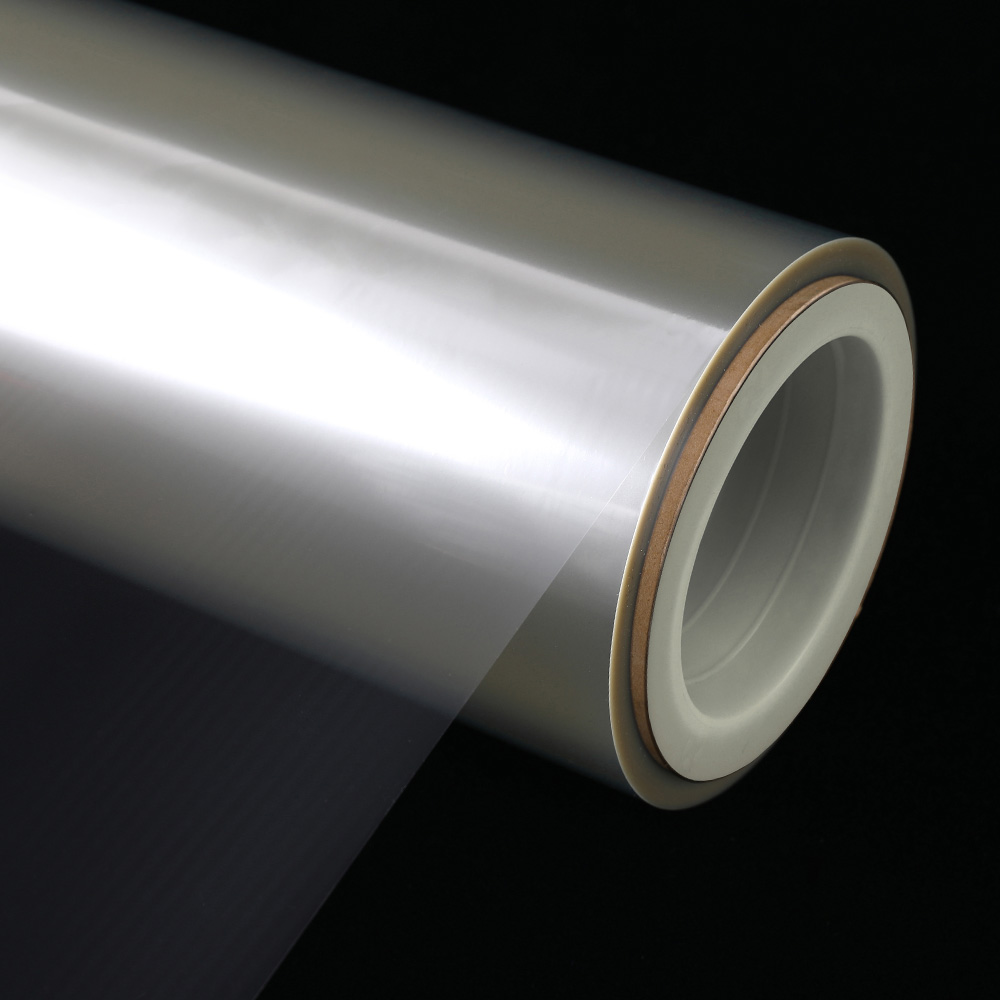
For the most demanding applications — medical packaging, electronics — an inorganic oxide layer (aluminum oxide or silicon oxide) is deposited instead of or in addition to pure aluminum. These coatings can achieve OTR values below 0.1 cm³/m²/day and are transparent, retort-stable, and microwave-safe.
Factors That Degrade Barrier Properties After Metallization
Understanding the sources of barrier degradation is as important as knowing what creates barrier performance. Common causes of barrier loss in metallized films include:
- Mechanical stress: Bending, tension, and pressure during rewinding or lamination can fracture the brittle aluminum layer, creating microcracks.
- Heat exposure: Elevated temperatures cause differential thermal expansion between the metal and polymer, leading to delamination. This is particularly relevant for retort or hot-fill packaging.
- Solvent attack: Certain solvents used in adhesives or printing inks can attack the metal-polymer interface, reducing adhesion and creating barrier failures.
- Oxidation: Aluminum oxidizes readily in air. While the native oxide layer (Al₂O₃) provides some protection, excessive oxidation during deposition reduces metallic coverage and barrier efficiency.
- Improper storage: Storage in high humidity or temperature conditions can accelerate oxidation and adhesion loss before the film is used in production.
High bonding metallized films are specifically engineered to resist these degradation mechanisms, preserving barrier properties throughout the supply chain and product lifecycle.
Measuring Barrier Performance: Key Standards and Values
Barrier performance in metallized films is quantified through standardized test methods. The most relevant metrics are:
| Parameter | Test Standard | Standard Film Value | High-Performance Value |
| OTR (Oxygen Transmission Rate) | ASTM D3985 | 1–5 cm³/m²/day | <0.5 cm³/m²/day |
| WVTR (Water Vapor Transmission Rate) | ASTM F1249 | 0.5–2 g/m²/day | <0.3 g/m²/day |
| Optical Density (OD) | ISO 5-2 | 1.8–2.5 | 2.8–3.5 |
| Metal Adhesion (Peel Strength) | ASTM D903 | 0.5–1.0 N/15mm | >1.5 N/15mm |
For most flexible food packaging applications, an OTR below 1 cm³/m²/day and a WVTR below 0.5 g/m²/day are considered minimum acceptable values. Sensitive products such as coffee, pharmaceuticals, or electronics may require values an order of magnitude lower, typically achieved through multi-layer laminate structures incorporating high-barrier metallized films.
Frequently Asked Questions
Q1: What is the main mechanism behind the barrier properties of metallized film?
A thin aluminum layer (30–100 nm) deposited by vacuum evaporation physically blocks oxygen, moisture, and light transmission. The density and continuity of this layer determine barrier performance.
Q2: How does optical density relate to barrier performance?
Higher optical density generally means a thicker, more uniform aluminum layer. OD values of 2.8 or above typically correlate with significantly lower OTR and WVTR compared to OD values below 2.0.
Q3: Why is adhesion important in metallized films?
Poor adhesion causes the aluminum layer to crack or peel during lamination, printing, and flexing — breaking the barrier. High bonding metallized film maintains barrier integrity throughout converting and end-use.
Q4: What is chemical-treated metallized PET film and what are its benefits?
It is metallized PET film with a chemical primer applied to the metal surface. This treatment improves bonding to inks and adhesives by 40–60%, making it ideal for high-speed printing and demanding laminate constructions.
Q5: Can metallized film barrier properties be lost after production?
Yes. Mechanical flexing, heat, solvent exposure, and improper storage can all degrade barrier performance. Selecting high bonding and properly surface-treated films minimizes this risk.
Q6: Which base film offers the best barrier performance after metallization?
BOPET (biaxially oriented PET) consistently provides the best results due to its low surface roughness, thermal stability, and dimensional uniformity — all of which support defect-free aluminum deposition.

Are you ready to work with us?
Start a project
- Quick Links
- Company Profile
- Company Culture
- Qualification
- FAQ
- Product
- ALOx Films
- VMPET
- VMCPP
- VMBOPP
- Coated Film
- Contact Us
- Tel: +86-13456263964
-
Phone : +86-0573-87783633
Phone : +86-0573-87780583 - E-mail : [email protected]
- Address: 6th Xinhe Road, Xieqiao Town, Haining City, Zhejiang Province, China

