

 English
  中文简体
中文简体 
VMPET vs. Aluminum Foil: Which High Barrier Solution is Best for Your Product?
 2026.05.28
 Industry News
In the complex landscape of flexible packaging, selecting the right barrier material is a strategic decision that directly impacts product shelf life, cost structure, and brand integrity. Two of the most widely adopted high barrier film solutions—VMPET (Vacuum Metallized PET) and aluminum foil laminates—offer distinct advantages across different application scenarios.
The global high barrier film market was valued at USD 16.53 billion in 2025, projected to reach USD 28.38 billion by 2034, growing at a CAGR of 6.27%. This growth reflects increasing demand for packaging that extends shelf life, reduces food waste, and meets evolving consumer expectations for product freshness and visibility.
2. Material Structure and Composition
Understanding the fundamental structural differences between VMPET and aluminum foil helps explain their distinct performance characteristics.
2.1 What Is VMPET?
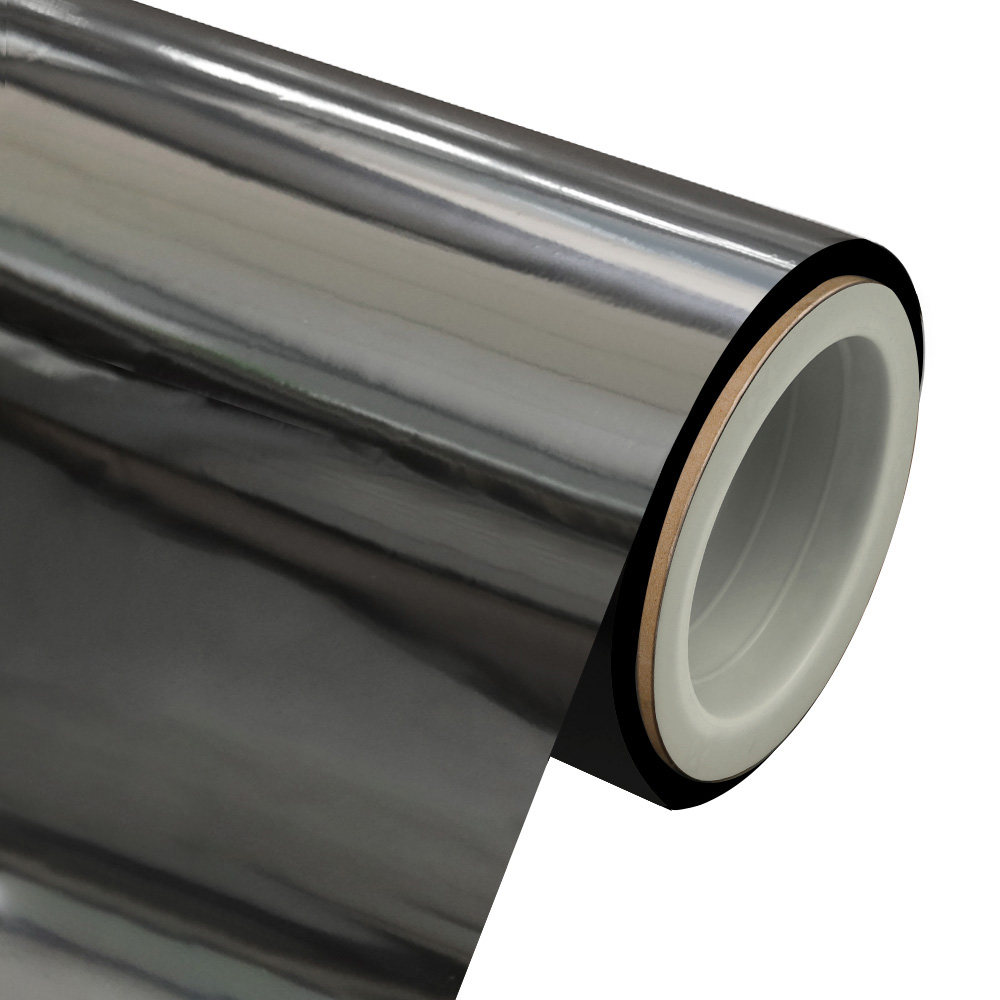
VMPET (Vacuum Metallized Polyester) is created by depositing an ultra-thin layer of aluminum onto a PET film substrate through vacuum metallization. The aluminum layer thickness is approximately 0.03–0.05 micrometers (300–500 angstroms), while the PET base provides mechanical strength and dimensional stability. This construction combines the flexibility and toughness of plastic film with the metallic barrier properties of aluminum, using only about 1/140 to 1/180 of the aluminum required for pure aluminum foil.
2.2 What Is Aluminum Foil Laminate?
Aluminum foil laminates consist of a solid rolled aluminum metal sheet, typically ranging from 6 to 30 micrometers in thickness, laminated between outer structural layers such as PET or BOPP and inner sealant layers like PE or CPP. The metal layer is substantially thicker than the vapor-deposited layer in VMPET, providing theoretically perfect barrier performance when free of defects.
2.3 Structural Comparison Table
| Characteristic | VMPET (Metallized PET) | Aluminum Foil Laminate |
|---|---|---|
| Metal Layer Thickness | ~0.03–0.05 μm (vapor-deposited) | 6–30 μm (rolled metal sheet) |
| Substrate Material | PET film (biaxially oriented polyester) | PET/BOPP outer layer + PE/CPP sealant |
| Production Process | Vacuum deposition (physical vapor deposition) | Rolling + adhesive lamination |
| Aluminum Usage Relative | Very low (approx. 1/140–1/180 of foil) | High (solid metal layer) |
4. Cost Efficiency Analysis: VMPET vs. Aluminum Foil
Cost consideration is often the decisive factor in material selection, particularly for high-volume production scenarios. VMPET offers significant cost advantages across multiple dimensions.
4.1 Raw Material Cost Comparison
VMPET films are generally more economical due to substantially lower raw material and processing costs. The vacuum deposition process uses minimal aluminum—approximately 1/140 to 1/180 of the aluminum required for equivalent pure aluminum foil coverage—resulting in direct material savings. Thicker aluminum foils (0.025mm vs. 0.012mm) can cost approximately 30 percent more per unit area, and foil laminates typically carry an upfront cost premium ranging from 15 to 30 percent compared to VMPET-based structures for equivalent gauge films.
4.2 Total Cost of Ownership Perspective
When evaluating cost efficiency, several factors beyond material price should be considered:
- Production Speed and Efficiency: VMPET's flexibility and resistance to cracking enable higher-speed packaging line operations, reducing per-unit processing costs.
- Waste Reduction: Lower defect rates due to better flex resistance translate to less material waste during production runs.
- Transportation Weight: VMPET structures are lighter than aluminum foil laminates, potentially reducing shipping costs.
- Storage and Handling: VMPET rolls are less prone to creasing damage during storage and handling, minimizing product loss.
VMPET Cost Efficiency Summary:
- Lower raw material costs (reduced aluminum consumption)
- Compatible with high-speed packaging equipment
- Fewer pinhole and creasing defects
- Reduced transportation weight
- Typically 15–30 percent lower material cost than equivalent foil laminates
5. Mechanical Properties and Handling Performance
Mechanical characteristics influence not only packaging durability but also manufacturing efficiency and end-user experience.
5.1 Flexibility and Flex Crack Resistance
VMPET films retain the inherent flexibility of the PET substrate, making them highly resistant to cracking or pinhole formation during repeated flexing. Aluminum foil, while robust in static conditions, is more prone to creasing and crack propagation under dynamic stress. Solid aluminum foil can develop micro-fractures at fold lines during high-speed packaging operations, potentially compromising barrier integrity.
5.2 Tensile Strength and Puncture Resistance
The PET substrate in VMPET provides excellent tensile strength and puncture resistance. Typical PET/VMPET/PE structures achieve longitudinal and transverse tensile strength of 50 N/15mm or higher with elongation at break exceeding 15 percent. This mechanical robustness ensures package integrity throughout the distribution chain—from manufacturing filling lines to retail shelves and ultimately consumer use.
5.3 Seal Strength and Laminate Integrity
VMPET-based laminates achieve seal strengths of 12 N/15mm or greater under standard heat seal conditions (10mm seal width). Peel strength between laminated layers typically exceeds 2.5 N/15mm, ensuring reliable delamination resistance. Aluminum foil laminates can achieve comparable or slightly higher seal strengths but may be more sensitive to sealing temperature parameters.
6. Application-Specific Selection Guidelines
Different product categories have distinct barrier requirements, shelf life expectations, and cost sensitivities. The following guidance helps match material solutions to application needs.
6.1 Where VMPET Excels (Cost-Effective High Barrier Solution)
- Coffee, tea, and snack packaging with 6-12 month shelf life expectations
- Pet food pouches requiring light, oxygen, and moisture protection
- Instant noodles, dried foods, and powdered nutrition products
- Cosmetics and personal care sachets
- Industrial goods protection where premium barrier performance is not mandatory
- High-volume retail products where cost efficiency drives profitability
6.2 Where Aluminum Foil Provides Superior Performance
- Specialty premium coffee for export markets requiring extended shelf life
- Pharmaceutical blister packaging requiring absolute moisture and oxygen exclusion
- Medical device sterilization packaging
- Military rations and emergency food supplies with multi-year shelf life requirements
- Vacuum-packed foods needing maximum aroma retention
- Applications requiring total light blocking (0% UV transmission)
6.3 Shelf Life Expectation Mapping
| Shelf Life Requirement | Recommended Material | Typical Applications |
|---|---|---|
| 3–6 months | Standard VMPET laminate | Retail snacks, basic coffee, dried foods |
| 6–12 months | High-barrier VMPET or Boil-grade VMPET | Pet food, premium coffee, pharmaceuticals (short-term) |
| 12–24 months | Aluminum foil laminate or ALOx high barrier film | Specialty coffee export, pharmaceuticals, medical devices |
| 24+ months | Aluminum foil laminate only | Military rations, emergency supplies |
7. Material Selection Decision Framework
The following decision flow guides product managers, packaging engineers, and procurement professionals through the key questions that determine optimal material selection.
7.1 Key Selection Questions
To make an informed material selection decision, systematically evaluate the following factors:
- What is the required shelf life? Products needing protection for 12+ months typically justify the premium cost of aluminum foil, while 3-9 month applications can be effectively served by VMPET.
- What are the distribution conditions? Long export shipments, variable temperature storage, and high-humidity environments increase barrier performance requirements.
- What is the product sensitivity level? Oxygen-sensitive oils, moisture-reactive powders, and light-degradable ingredients demand higher barrier protection.
- What is the production volume and budget? High-volume, price-sensitive products typically favor VMPET cost efficiency; premium positioning may support foil investments.
- Will the package undergo heat treatment after filling? For pasteurization or hot-fill processes (60–100°C), standard VMPET may delaminate, requiring boil-grade VMPET or aluminum foil.
8. Emerging Transparent High Barrier Solutions
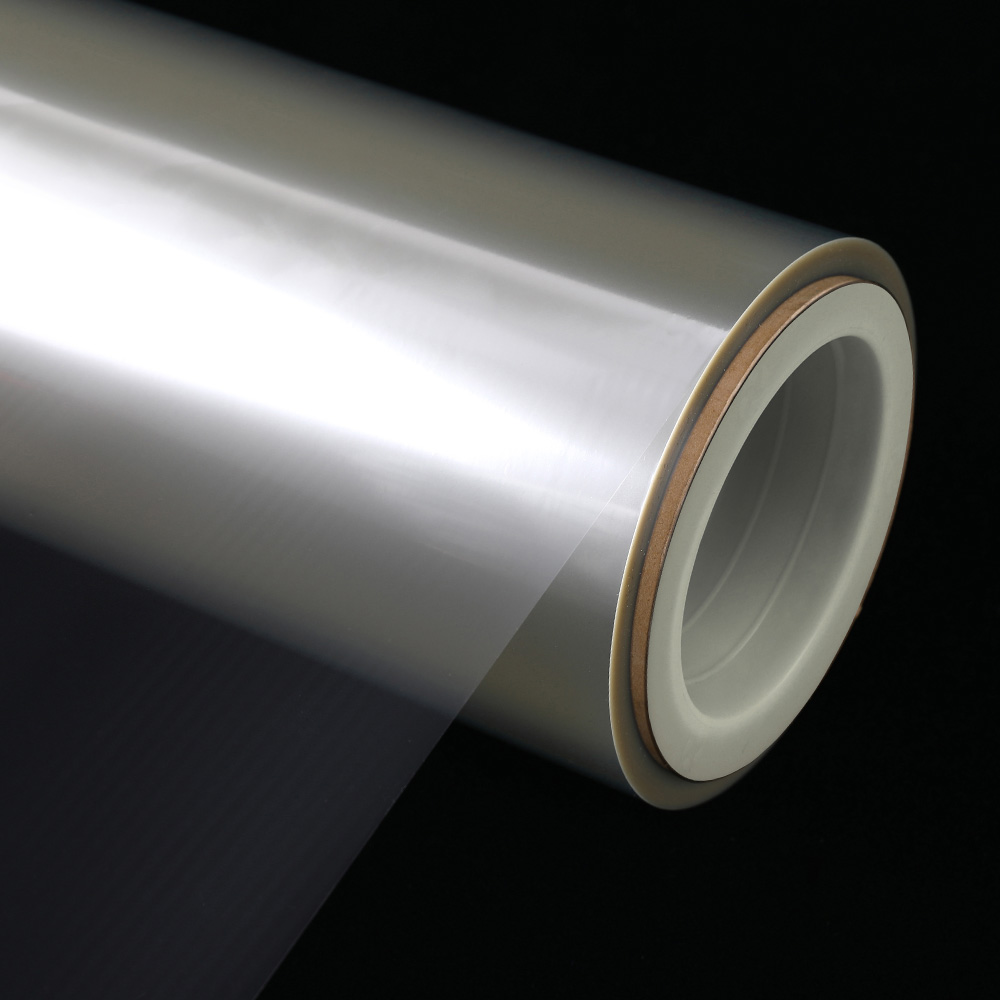
For applications where product visibility is important but traditional barrier properties are still required, transparent high barrier films such as aluminum oxide (ALOx) coated PET offer an emerging alternative. These solutions achieve OTR values as low as 0.1–0.3 cm³/m²/day and WVTR around 0.25 g/m²/day at 38°C/90% RH while maintaining approximately 87 percent light transmittance.
Transparent barrier solutions enable product viewing windows on packaging, support microwaveability, and are compatible with metal detection systems—features that traditional metallized films and aluminum foil laminates cannot provide.
9. Frequently Asked Questions
Q1: What is VMPET and how does it compare to standard PET film?
VMPET (Vacuum Metallized PET) is a PET film coated with an ultra-thin layer of aluminum through vacuum deposition. Compared to standard PET film, which has OTR values around 465 cm³/m²/day and WVTR around 31 g/m²/day, VMPET reduces OTR to approximately 1.2 cm³/m²/day and WVTR to about 0.8 g/m²/day—delivering roughly 99.7 percent oxygen barrier improvement and 97.4 percent moisture barrier improvement.
Q2: Is VMPET completely impermeable like aluminum foil?
No. VMPET provides excellent barrier properties but is not completely impermeable. Aluminum foil in perfect condition (no pinholes or creases) offers near-zero OTR and WVTR. VMPET contains microscopic pinholes inherent to the vacuum deposition process, resulting in slightly higher transmission rates. However, for most commercial applications with moderate shelf life requirements (6-12 months), VMPET provides sufficient protection.
Q3: Does VMPET require special handling or storage conditions?
VMPET films are more robust than aluminum foil and do not require specialized handling beyond standard roll film storage practices (temperature-controlled environment, protection from direct moisture exposure). Unlike aluminum foil, VMPET maintains barrier integrity after flexing and does not develop permanent creasing damage.
Q4: How much cost savings can VMPET provide compared to aluminum foil?
Material cost savings typically range from 15 to 30 percent for VMPET-based laminates compared to equivalent aluminum foil structures. Additional savings come from reduced processing defects, faster packaging line speeds due to better flexibility, and lower transportation weight.
Q5: Can VMPET withstand high-temperature processing?
Standard VMPET is not recommended for applications requiring post-fill heat treatment above approximately 85°C. The aluminum layer may oxidize and delaminate under high-temperature, high-humidity conditions. For pasteurization or hot-fill applications, boil-grade VMPET with special coatings and modified substrates can withstand 85–100°C for 30–40 minutes while maintaining adhesion and barrier integrity.
Q6: What is the typical structure of a VMPET-based packaging laminate?
The most common high barrier film structure is PET/VMPET/PE, where PET serves as the print-receptive outer layer, VMPET provides the barrier middle layer, and PE functions as the heat-sealable inner layer. Typical thicknesses range from 12μm PET / 12μm VMPET / 60–80μm PE for dry food and coffee packaging applications.
Q7: Is VMPET suitable for pharmaceutical packaging?
VMPET can be used for pharmaceutical packaging applications with shorter shelf life requirements (6-12 months) or for products with moderate sensitivity to oxygen and moisture. For high-sensitivity pharmaceuticals requiring multi-year stability or absolute barrier performance, aluminum foil remains the standard choice.
Q8: How does flexing affect VMPET and aluminum foil differently?
Research has shown that under flexed conditions, aluminum laminates allow moisture transfer at a rate approximately 24.32 percent higher than MPET-based laminates. VMPET better retains its barrier properties under repeated flexing, making it more suitable for applications involving flexible packaging that undergoes regular handling.

Are you ready to work with us?
Start a project
- Quick Links
- Company Profile
- Company Culture
- Qualification
- FAQ
- Product
- ALOx Films
- VMPET
- VMCPP
- VMBOPP
- Coated Film
- Contact Us
- Tel: +86-13456263964
-
Phone : +86-0573-87783633
Phone : +86-0573-87780583 - E-mail : [email protected]
- Address: 6th Xinhe Road, Xieqiao Town, Haining City, Zhejiang Province, China

