

 English
  中文简体
中文简体 
What are the key benefits of using mBOPP in biscuit packaging?
 2026.05.01
 Industry News
The Evolution of Biscuit Packaging with Metallized BOPP Film
Biscuits are among the most sensitive food products in the global market, requiring specialized protection to maintain their crispness, flavor, and structural integrity. The transition from traditional wax paper and tin cans to advanced flexible materials has been driven by the need for higher efficiency and better preservation. Today, metallized BOPP film (mBOPP) stands at the forefront of this evolution, offering a multi-functional solution that addresses the specific biological and physical needs of dry baked goods.
For B2B buyers and food manufacturers, selecting the right film is not merely about aesthetics; it is about optimizing the supply chain and reducing product loss. Biscuits are high in fat and low in moisture, making them susceptible to oxidative rancidity and softening. This article explores how mBOPP serves as the ultimate shield against these environmental threats while providing significant operational advantages.
Superior Barrier Properties Against Moisture and Oxygen
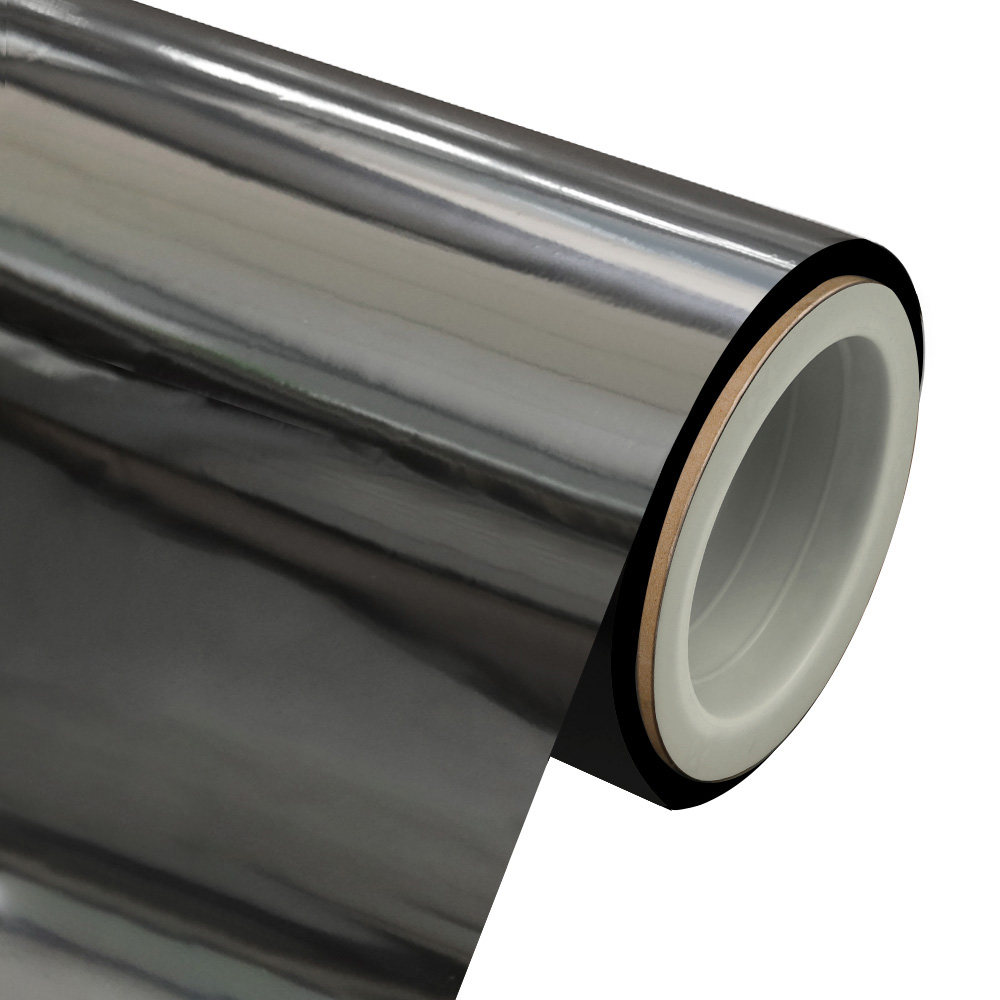
The primary enemy of a biscuit is humidity. Even a small increase in internal moisture content can lead to a "soggy" texture that is unacceptable to consumers. Metallized BOPP film is created by depositing a thin layer of aluminum onto a biaxially oriented polypropylene substrate, which significantly enhances its barrier capabilities.
Moisture Vapor Transmission Rate (MVTR)
The metallization process creates a labyrinth-like path for water molecules, making it difficult for moisture to penetrate the package. Standard mBOPP films can reduce the MVTR by up to 50 times compared to non-metallized BOPP, ensuring that biscuits remain crunchy from the factory gate to the consumer's hand.
Oxygen Transmission Rate (OTR)
Biscuits often contain oils and fats that react with oxygen, leading to off-flavors and odors. The aluminum layer acts as a barrier to oxygen and other atmospheric gases, effectively doubling the shelf life of most butter-based or cream-filled biscuits compared to standard clear films.
Light Shielding and Prevention of Photo-Oxidation
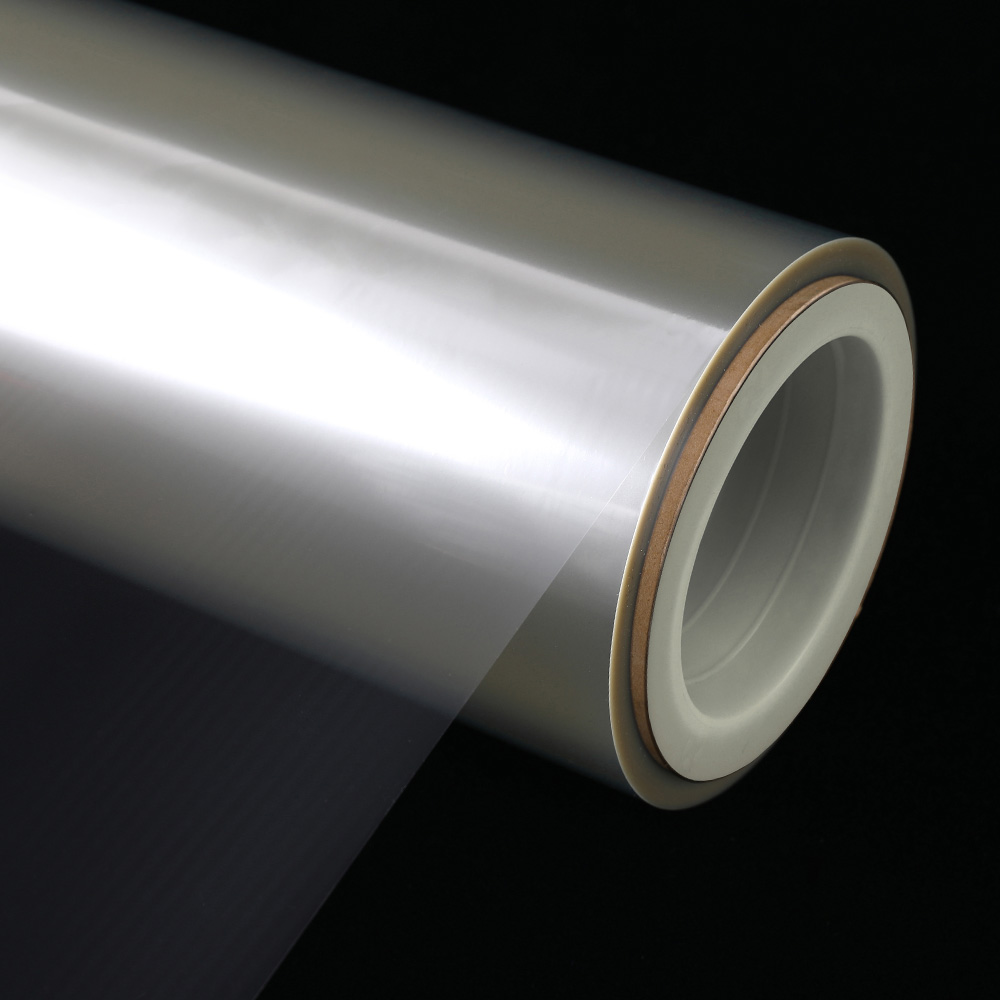
Unlike clear plastic films, metallized BOPP is opaque. This opacity is a critical benefit for biscuits that are displayed under harsh retail lighting or stored in areas with natural sunlight. UV rays and visible light accelerate the degradation of fats and vitamins within the food.
- Blocks 99% of harmful UV rays: Prevents the breakdown of sensitive ingredients.
- Maintains natural coloring: Helps the biscuit retain its baked golden-brown appearance without artificial stabilizers.
- Opaque barrier: Provides a "premium" feel while hiding internal breakage that might occur during shipping.
Technical Comparison: mBOPP vs. Standard Alternatives
For procurement managers, understanding the technical specifications is vital for cost-benefit analysis. The table below outlines how metallized BOPP compares to other common flexible packaging materials used in the biscuit industry.
| Property | Standard BOPP | Metallized BOPP | Aluminum Foil (Laminate) |
|---|---|---|---|
| Moisture Barrier | Moderate | Excellent | Superior |
| Light Protection | Low | High | Total Block |
| Cost Effectiveness | High | High | Low |
| Puncture Resistance | Good | Excellent | Moderate |
Operational Efficiency and Machine Performance
High-speed packaging lines require materials that can withstand mechanical stress without compromising seal integrity. Metallized BOPP is engineered for use on Horizontal Form Fill Seal (HFFS) and Vertical Form Fill Seal (VFFS) machines.
Low Seal Initiation Temperature (SIT)
Modern mBOPP films are designed with heat-sealable layers that activate at lower temperatures. This allows for faster production speeds (up to 150-200 packs per minute) without the risk of thermal damage to the biscuit's sensitive ingredients, such as chocolate chips or cream fillings.
Friction Control and Slip Properties
The Coefficient of Friction (COF) is strictly controlled in mBOPP production. A stable COF ensures that the film glides smoothly over forming collars and rollers, preventing snags or breaks that lead to costly production downtime.
Economic Advantages for Bulk Manufacturers
From a B2B perspective, the transition to mBOPP often yields a higher Return on Investment (ROI). The material offers a unique balance between the performance of aluminum foil and the cost of plastic.
- Yield Advantage: mBOPP has a lower density than polyester (PET) or aluminum foil, meaning more square meters of film per kilogram.
- Reduced Waste: Superior seal strength reduces the number of "leakers" (packages with compromised seals) during transport.
- Energy Efficiency: Thinner mBOPP structures require less heat for sealing and less energy to transport due to their lightweight nature.
Sustainability and Material Reduction
In the modern regulatory environment, reducing the carbon footprint is a priority. Metallized BOPP allows for "source reduction"—the ability to achieve the same or better barrier results using a thinner material compared to multi-layer paper/foil laminates.
Because mBOPP is essentially a single-polymer base (polypropylene) with a microscopic metal layer, it is often more compatible with modern recycling streams than complex laminates that bond different types of plastics and metals together. This simplifies the end-of-life process for packaging waste.
Visual Appeal and Brand Differentiation
The "metallic look" of mBOPP provides an immediate psychological cue to the consumer that the product is fresh and premium. This visual characteristic is vital in the competitive biscuit aisle.
- High Gloss and Brilliance: Enhances the vibrancy of printed graphics.
- Flexographic and Rotogravure Compatibility: mBOPP provides a stable surface for high-definition printing.
- Tactile Variety: Available in matte or glossy finishes to suit different brand identities.
Common Questions About Metallized BOPP in Biscuit Packaging
Q1: Does metallized BOPP film affect the taste of the biscuits?
No, the aluminum layer is microscopic and typically sandwiched between polymer layers or covered by a food-grade lacquer, ensuring it is inert and does not migrate into the food.
Q2: Can mBOPP be used for microwaveable snacks?
No, because it contains a metal layer, mBOPP should not be used in microwave ovens as it may cause sparking.
Q3: How does mBOPP improve shelf life compared to PE film?
mBOPP provides a significantly higher oxygen and moisture barrier than PE, often extending the shelf life of dry biscuits from 3 months to over 12 months.
Q4: Is it suitable for high-altitude shipping?
Yes, its high tensile strength and seal integrity help the package withstand pressure changes during air transport or high-altitude logistics.

Are you ready to work with us?
Start a project
- Quick Links
- Company Profile
- Company Culture
- Qualification
- FAQ
- Product
- ALOx Films
- VMPET
- VMCPP
- VMBOPP
- Coated Film
- Contact Us
- Tel: +86-13456263964
-
Phone : +86-0573-87783633
Phone : +86-0573-87780583 - E-mail : [email protected]
- Address: 6th Xinhe Road, Xieqiao Town, Haining City, Zhejiang Province, China

