

 English
  中文简体
中文简体 
What defines a "high barrier" film in the packaging industry?
 2026.04.16
 Industry News
Understanding the Fundamental Concept of High Barrier Films
In the complex world of industrial packaging, a high barrier film is defined by its ability to significantly restrict the passage of atmospheric gases, water vapor, and volatile compounds. For B2B buyers in sectors like food processing, pharmaceuticals, and electronics, these films are not merely "plastic wraps" but engineered shields that determine the shelf life and integrity of the internal product. The "barrier" refers to the resistance the material offers against permeation.
To qualify as "high barrier," a film must typically achieve specific transmission rates. For instance, in many professional standards, a film is considered high barrier if its Oxygen Transmission Rate (OTR) is less than 1.0 cc/m²/day and its Water Vapor Transmission Rate (WVTR) is less than 1.0 g/m²/day. These technical thresholds ensure that sensitive items remain unaffected by external environmental fluctuations during long-distance shipping or extended storage.
Key Performance Metrics: OTR and WVTR
When sourcing materials, procurement managers focus on two primary metrics that define the efficiency of a barrier system. These metrics allow for a quantitative comparison between different polymer structures.
Oxygen Transmission Rate (OTR)
OTR measures the amount of oxygen gas that passes through a substance over a given period. Oxygen is the primary cause of oxidation, which leads to vitamin loss, fat rancidity, and color changes in food. High-performance films use specialized layers to keep oxygen levels at a minimum, often reaching levels as low as 0.1 cc/m²/24h.
Water Vapor Transmission Rate (WVTR)
WVTR, also known as MVTR (Moisture Vapor Transmission Rate), indicates the passage of water vapor. This is critical for dry goods like powders or snacks that must remain crisp, as well as for pharmaceutical tablets that might degrade in humid conditions. Standard high barrier films aim for rates below 0.5 g/m²/24h to ensure absolute dryness inside the pouch.
The Multi-Layered Architecture of High Barrier Solutions
A single type of plastic rarely provides a complete barrier. Instead, modern packaging utilizes co-extrusion or lamination to combine multiple materials into a single thin film. Each layer serves a specific purpose:
- Structural Layer: Usually PET or OPP, providing mechanical strength and heat resistance.
- Barrier Layer: The core of the film, often consisting of EVOH, PA, or specialized coatings like alox films.
- Sealant Layer: Typically PE or CPP, allowing the film to be heat-sealed into bags or pouches.
- Tie Layers: Specialized adhesives that prevent the different materials from delaminating.
By stacking these materials, manufacturers can create a "tortuous path" for molecules, making it nearly impossible for air or water to penetrate the package.
Comparison of Common Barrier Materials
Choosing the right material depends on the specific sensitivity of the product. The following table illustrates the general performance levels of popular barrier polymers used in the industry today.
| Material Type | Oxygen Barrier | Moisture Barrier | Transparency |
|---|---|---|---|
| EVOH | Excellent | Poor (Humidity Sensitive) | High |
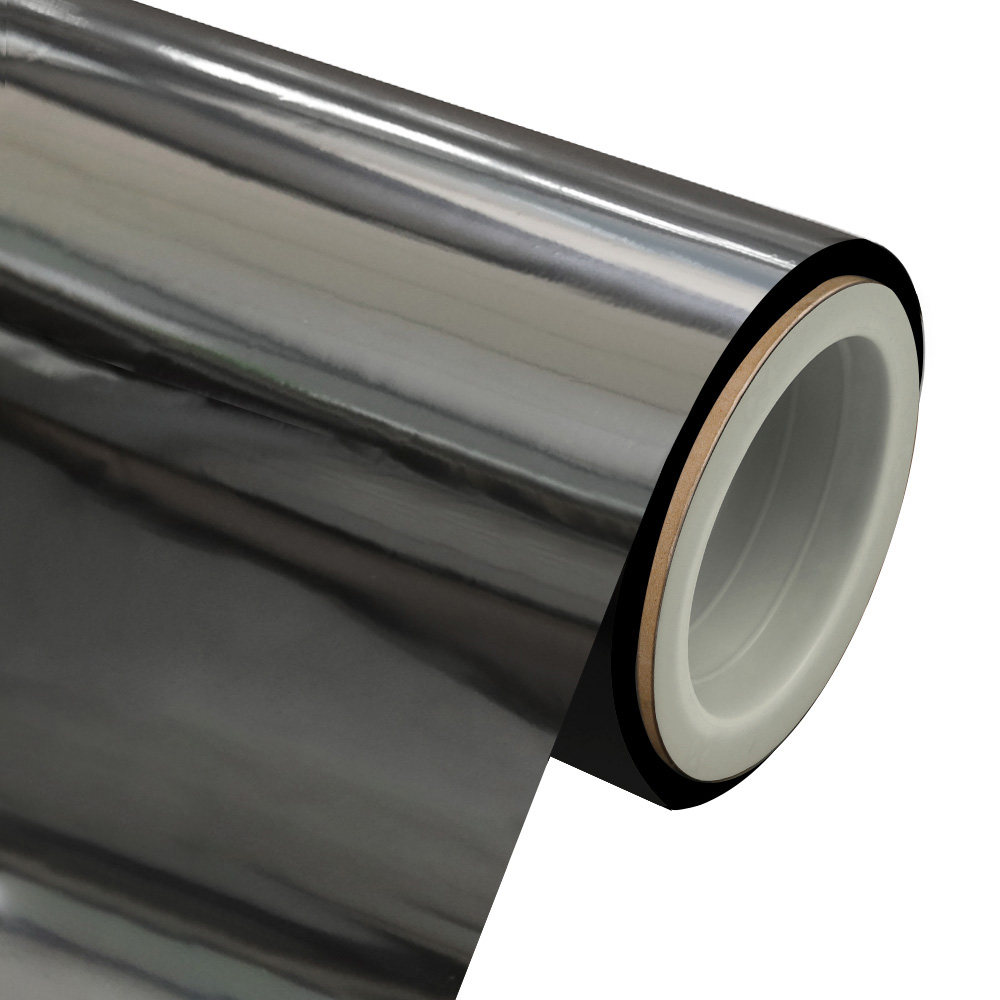
| Metallized PET | Very High | High | Opaque (Silver) |
| PVDC Coating | Good | Good | Clear |
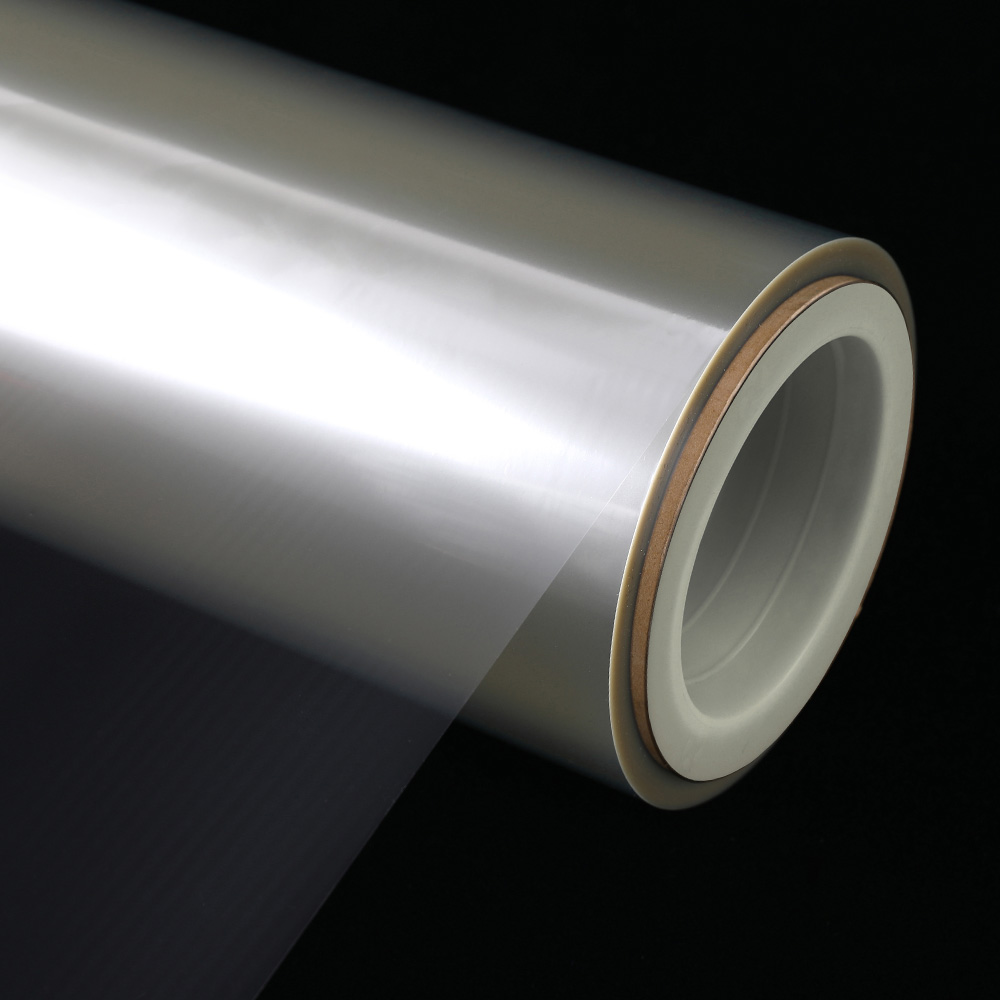
| AlOx Coated PET | Excellent | Excellent | Ultra-Clear |
B2B Buyer Considerations: Why High Barrier Matters
For business owners and supply chain managers, the choice of a high barrier film is a strategic decision that impacts the bottom line. It is not just about protection; it is about market reach and brand reputation.
Shelf-Life Extension and Cost Reduction
By using superior barrier materials, companies can extend the shelf life of their products from 6 months to 18 or 24 months. This reduces the frequency of product returns due to spoilage and allows for global distribution, as the product can survive longer transit times across different climates.
Aesthetic vs. Protection
Modern consumers want to see what they are buying. Historically, high barrier meant using aluminum foil, which is opaque. However, technological shifts toward clear high barrier films allow brands to showcase product freshness through windows while maintaining the same protective properties as traditional foils.
Applications Across Critical Industries
High barrier films are utilized in diverse environments, each requiring a specific balance of properties. Understanding these applications helps in selecting the right film specification.
Food and Beverage: Coffee, snacks, and dried meats require high oxygen and aroma barriers to maintain flavor. High-moisture products like sauces require materials that won't lose barrier integrity when wet.
Medical and Pharmaceutical: Blister packs and IV bags must remain sterile and chemically stable. Here, the film acts as a barrier against microbial contamination and chemical degradation from UV light or humidity.
Industrial Electronics: Sensitive components can be damaged by static or oxidation. High barrier films with anti-static properties ensure that microchips and circuit boards reach their destination in perfect working order.
The Role of Surface Treatments and Coatings
Beyond the base polymers, the industry uses sophisticated coating technologies to enhance barrier levels without adding significant thickness. These treatments are applied in vacuum environments to ensure atomic-level precision.
Vacuum metallization involves depositing a thin layer of aluminum onto the film surface. While effective, it makes the film opaque. Conversely, Ceramic Coatings (like Silicon Oxide or Aluminum Oxide) provide a high-performance barrier while remaining completely transparent. This is the preferred choice for microwaveable packaging, as metal-free coatings do not spark in the microwave.
Future Trends in High Barrier Film Development
As the packaging industry shifts toward sustainability, the definition of a high barrier film is expanding to include recyclability and compostability. Manufacturers are now developing mono-material high barrier films—using only one type of polymer (like all-polyethylene) but with enhanced coatings—to ensure the package can be easily recycled in standard streams without compromising the 24-month shelf life requirements.
Frequently Asked Questions (FAQ)
Q1: What is the main difference between low and high barrier films?
Low barrier films allow higher rates of oxygen and moisture to pass through, suitable for fresh produce that needs to "breathe." High barrier films are designed to block almost all gas exchange to preserve shelf-stable products.
Q2: Can high barrier films be transparent?
Yes. By using oxide coatings or specialized polymers like EVOH, films can provide top-tier protection while remaining perfectly clear for product visibility.
Q3: How does humidity affect high barrier properties?
Some materials, like EVOH, lose their oxygen barrier efficiency when exposed to high humidity. In such cases, the barrier layer is "sandwiched" between moisture-resistant layers like Polyethylene to protect it.
Q4: Are high barrier films microwave-safe?
Only if they do not contain metal. Metallized films are not microwave-safe, but films using AlOx or SiOx coatings are microwave-friendly and provide similar barrier performance.

Are you ready to work with us?
Start a project
- Quick Links
- Company Profile
- Company Culture
- Qualification
- FAQ
- Product
- ALOx Films
- VMPET
- VMCPP
- VMBOPP
- Coated Film
- Contact Us
- Tel: +86-13456263964
-
Phone : +86-0573-87783633
Phone : +86-0573-87780583 - E-mail : [email protected]
- Address: 6th Xinhe Road, Xieqiao Town, Haining City, Zhejiang Province, China

