

 English
  中文简体
中文简体 
What is metallized CPP film used for in the snack food industry?
 2026.04.23
 Industry News
The Essential Role of Metallized CPP Film in Modern Snack Packaging
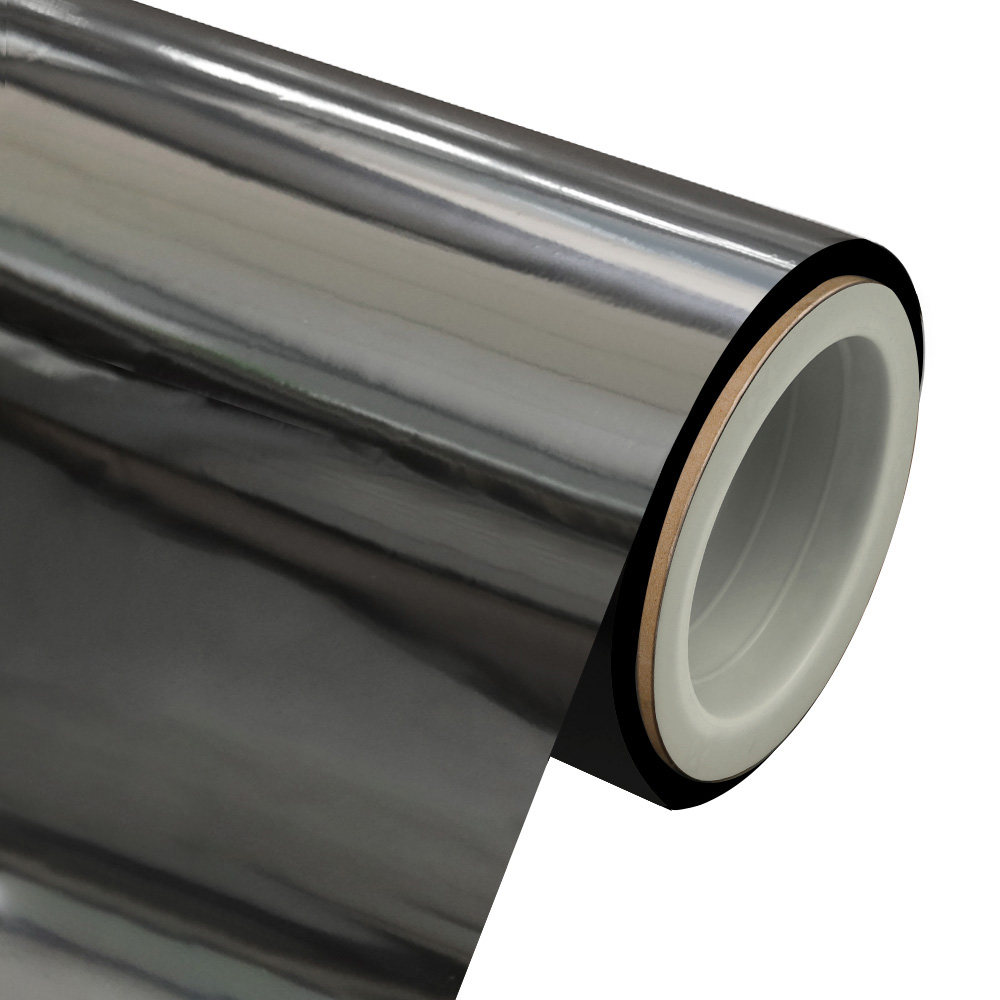
In the fast-paced snack food industry, maintaining product freshness while ensuring shelf appeal is a constant challenge. Manufacturers require packaging materials that balance protection, aesthetics, and cost-effectiveness. Metallized CPP film (Vacuum Metallized Cast Polypropylene) has emerged as a cornerstone material for these needs. By depositing a thin layer of aluminum onto a Cast Polypropylene base, this film gains the reflective properties of foil combined with the mechanical flexibility of plastic.
Snack foods, ranging from potato chips and nuts to granola bars and pretzels, are highly sensitive to environmental factors. Moisture can turn a crisp snack soggy in hours, while oxygen causes fats and oils to go rancid. Metallized CPP serves as a high-performance barrier that extends shelf life and preserves the sensory experience that consumers expect. This article delves into the technical characteristics and practical applications of this material within the B2B snack supply chain.
Core Barrier Properties for Food Preservation
The primary reason B2B buyers select metallized CPP is its superior barrier performance compared to standard transparent films. The metallization process creates a dense layer that inhibits the passage of molecules that degrade food quality.
Moisture and Oxygen Resistance
Snack foods are often fried or roasted, containing high levels of lipids. When exposed to oxygen, these lipids undergo oxidation, leading to "off" flavors. Similarly, moisture ingress is the enemy of texture. Metallized CPP provides a Water Vapor Transmission Rate (WVTR) and Oxygen Transmission Rate (OTR) that are significantly lower than non-metallized versions.
- Light Protection: The aluminum layer reflects UV rays, preventing light-induced degradation of nutrients and fats.
- Aroma Retention: It keeps the intense seasoning of snacks inside the bag, ensuring the first bite is as flavorful as intended.
Technical Specifications and Comparison
Understanding the technical metrics of metallized CPP film allows procurement managers to make informed decisions based on specific snack types. Below is a breakdown of typical performance values for standard metallized CPP used in the industry.
| Property | Typical Value Range | Significance for Snacks |
| Thickness | 20 - 40 Microns | Determines puncture resistance |
| Optical Density | 2.0 - 2.8 | Measures light barrier efficiency |
| Seal Strength | > 8.0 N/15mm | Ensures package integrity during transit |
| Metal Adhesion | High (> 1.5N/15mm) | Prevents delamination in laminates |
Strategic Benefits for the Snack Food Supply Chain
For B2B buyers, the choice of material is not just about the science; it is about the bottom line. Metallized CPP offers several operational advantages that impact the entire production cycle.
Cost-Efficiency vs. Aluminum Foil
While pure aluminum foil provides a near-perfect barrier, it is expensive and heavy. Metallized CPP provides a sufficient barrier for 6-12 month shelf life at a fraction of the cost. It is lighter, which reduces shipping costs and the overall carbon footprint of the packaging material.
Processing Performance
Metallized CPP is known for its excellent "slip" properties and low heat-seal initiation temperature. On high-speed Vertical Form Fill Seal (VFFS) machines used for bagging snacks, this means faster cycle times and fewer machine jams. Increased throughput directly translates to higher profitability for large-scale snack producers.
Common Applications in the Snack Category
This material is versatile and can be found in various packaging formats. Its usage is typically divided into two main structures: as a mono-layer (rare for high-end snacks) or as the inner sealant layer in a multi-layer laminate.
Potato Chips and Extruded Snacks
These items are extremely sensitive to light and air. A typical structure involves BOPP (outer layer for printing) laminated to Metallized CPP (inner layer for barrier and sealing). The metallic finish inside the bag also provides a "premium" feel when the consumer opens the pack.
Biscuits and Wafers
Wafers require a stiff packaging material to prevent breakage. The inherent stiffness and puncture resistance of Metallized CPP protect delicate baked goods during the rigorous handling of the retail supply chain.
Nuts and Dried Fruits
High oil content in nuts requires a chemically stable barrier. Metallized CPP does not react with the oils, ensuring no metallic taste is transferred to the food. For dried fruits, it prevents the sugar from crystallizing by maintaining a constant internal moisture level.
The Lamination Process: Why Metallized CPP is the Inner Layer
In most snack packaging, Metallized CPP is not the outer layer that you touch. Instead, it is the "hero" layer inside. Here is why this configuration is preferred:
- Printing Protection: By placing the metallized layer inside, the ink on the outer layer (usually BOPP or PET) is protected from abrasion.
- Sealing Integrity: CPP has excellent heat-sealability. When the bag is crimped at the top and bottom, the CPP layer melts to create a hermetic seal that maintains the nitrogen flush (inert gas) inside the bag.
- Puncture Resistance: Snacks like pretzels have sharp edges. The "Cast" nature of CPP makes it more tear-resistant than "Oriented" films, preventing small pinholes that would ruin the barrier.
Sustainability and Future Trends in Metallized Films
B2B buyers are increasingly focused on the environmental impact of packaging. While traditional laminates are difficult to recycle, developments in monomaterial packaging are gaining traction. Metallized CPP plays a key role here because it allows for an "All-Polypropylene" structure.
By laminating BOPP with Metallized CPP, the entire package belongs to the same polymer family. This simplifies the recycling process compared to mixed-material laminates (like PET/PE). Brands that switch to these structures can often claim better recyclability on their consumer-facing labels, a significant marketing advantage in 2026.
Optimizing Procurement: What to Look For
When sourcing metallized CPP film for snack production, quality consistency is paramount. A minor fluctuation in metal adhesion can lead to "ghosting" or delamination during the heating process. Buyers should evaluate the following:
- Uniformity of Metal Layer: Ensure no streaks or "windows" are present, which indicate uneven aluminum deposition.
- Surface Tension: The non-metallized side must have appropriate dyne levels to ensure strong bond strength with adhesives during lamination.
- Coefficient of Friction (COF): A stable COF ensures the film moves smoothly through the packaging line without stretching or snapping.
Frequently Asked Questions (FAQ)
Q1: Can metallized CPP film be used in microwaveable packaging?
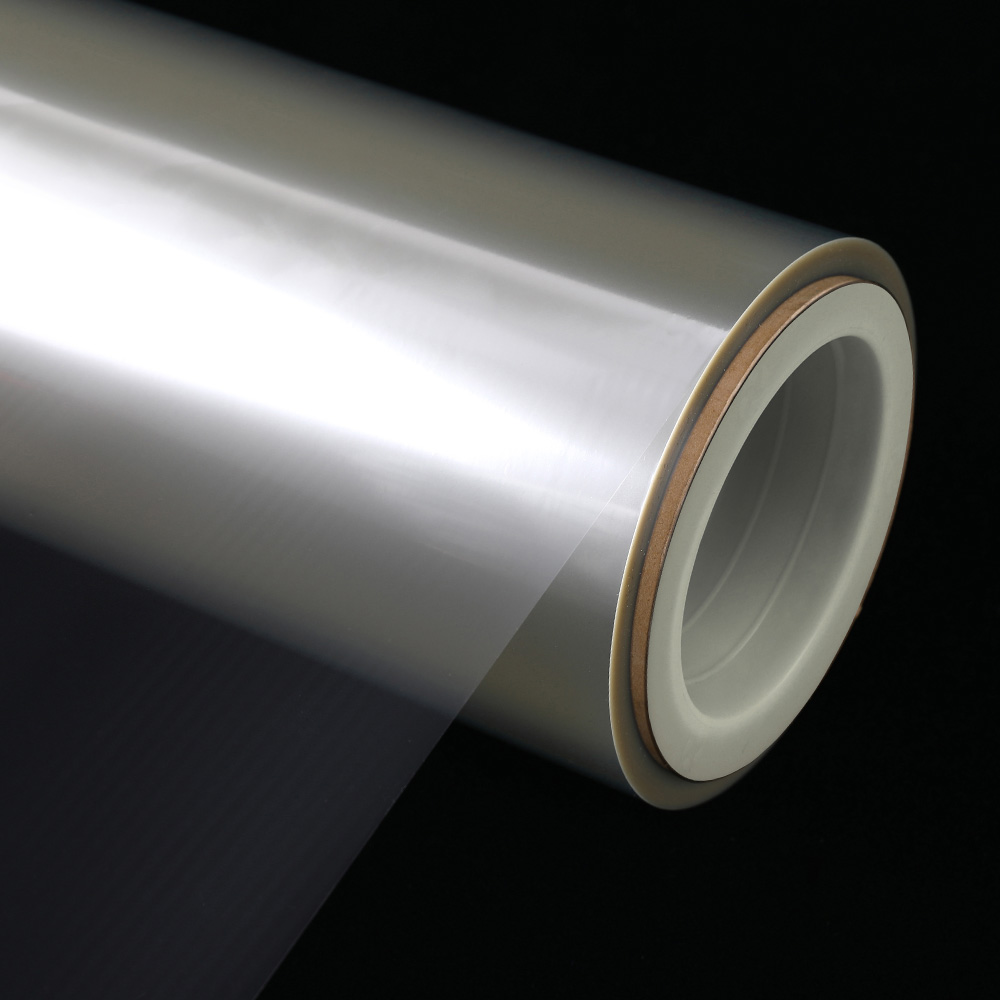
No, metallized films contain a thin layer of aluminum which can cause sparking and fire in a microwave. For microwaveable snacks, transparent high-barrier films are used instead.
Q2: What is the difference between Metallized BOPP and Metallized CPP?
Metallized BOPP is stiffer and has better clarity but poorer sealing properties. Metallized CPP is used primarily as a sealant layer because it provides a much stronger heat seal and better puncture resistance.
Q3: How long can snacks be stored in metallized CPP packaging?
Depending on the product and the outer layers of the laminate, it typically provides a shelf life of 6 to 12 months for standard snack foods like chips and nuts.
Q4: Is the aluminum layer in metallized CPP safe for direct food contact?
Yes, the metallization process is safe and complies with international food safety standards. However, in many structures, the metal is sandwiched between film layers, so it doesn't even touch the food directly.
Q5: Does metallized CPP film help in reducing nitrogen loss in puffed snack bags?
Absolutely. Its high gas barrier properties ensure that the nitrogen flush stays inside the bag, maintaining the "pillow" effect that protects chips from breaking during transport.

Are you ready to work with us?
Start a project
- Quick Links
- Company Profile
- Company Culture
- Qualification
- FAQ
- Product
- ALOx Films
- VMPET
- VMCPP
- VMBOPP
- Coated Film
- Contact Us
- Tel: +86-13456263964
-
Phone : +86-0573-87783633
Phone : +86-0573-87780583 - E-mail : [email protected]
- Address: 6th Xinhe Road, Xieqiao Town, Haining City, Zhejiang Province, China

