

 English
  中文简体
中文简体 
What is MPET film and how is it manufactured?
 2026.04.10
 Industry News
Understanding the Essence of MPET Film
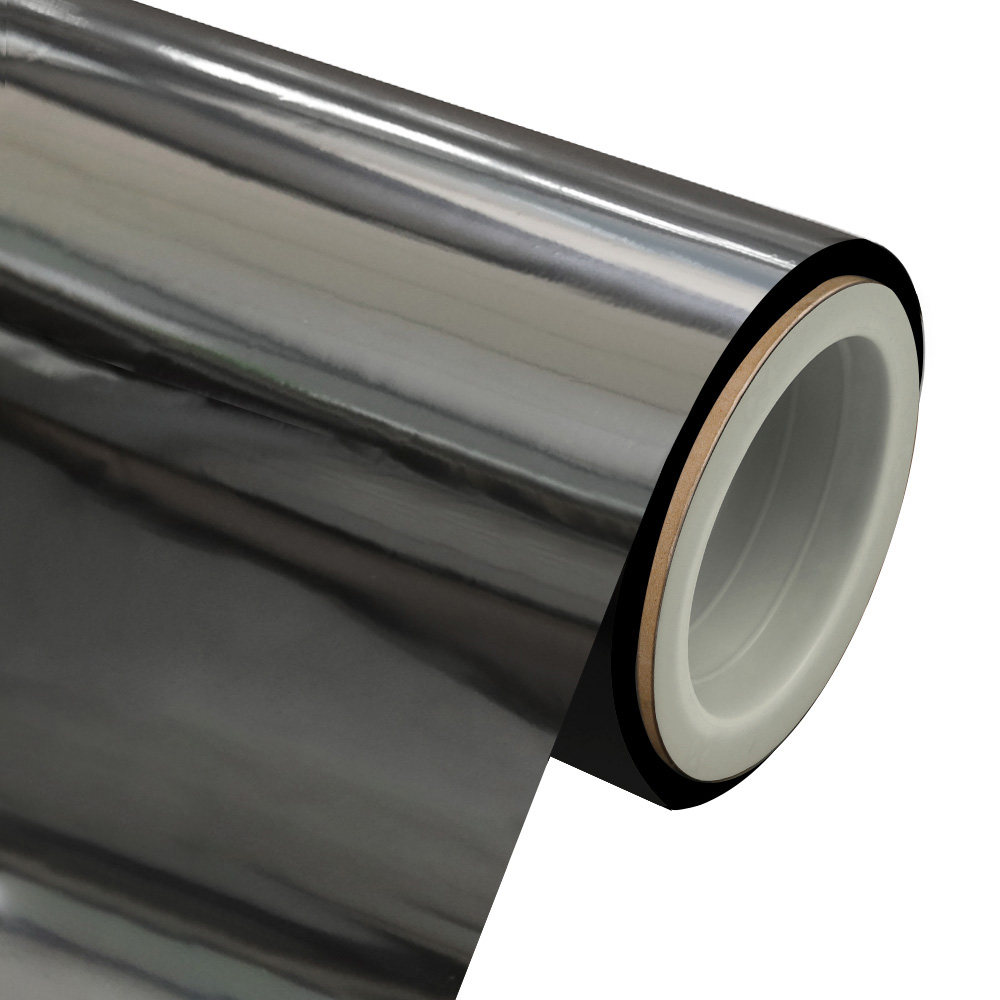
In the world of advanced materials and flexible packaging, MPET film (Metallized Polyester Film) stands out as a high-performance solution that bridges the gap between plastic and metal. It is essentially a biaxially oriented polyethylene terephthalate (BOPET) film that has undergone a specialized metallization process, typically using aluminum. This combination creates a material that possesses the lightweight and flexible nature of plastic while inheriting the aesthetic brilliance and barrier capabilities of metallic foil.
For B2B procurement specialists and engineers, selecting MPET is often a strategic decision driven by the need for cost-effective protection against light, oxygen, and moisture. Unlike traditional aluminum foil, which can be prone to pinholes and cracking when flexed, MPET maintains its structural integrity under stress, making it an ideal candidate for complex lamination structures in industries ranging from food preservation to electronic insulation.
The Technical Manufacturing Process: From Resin to Metallized Roll
The production of MPET is a two-stage industrial miracle. It begins with the creation of the base polyester film, followed by the high-tech vacuum metallization phase. Understanding this process is crucial for buyers who need to verify the quality and consistency of the material they are sourcing.
Stage 1: Base Film Extrusion and Orientation
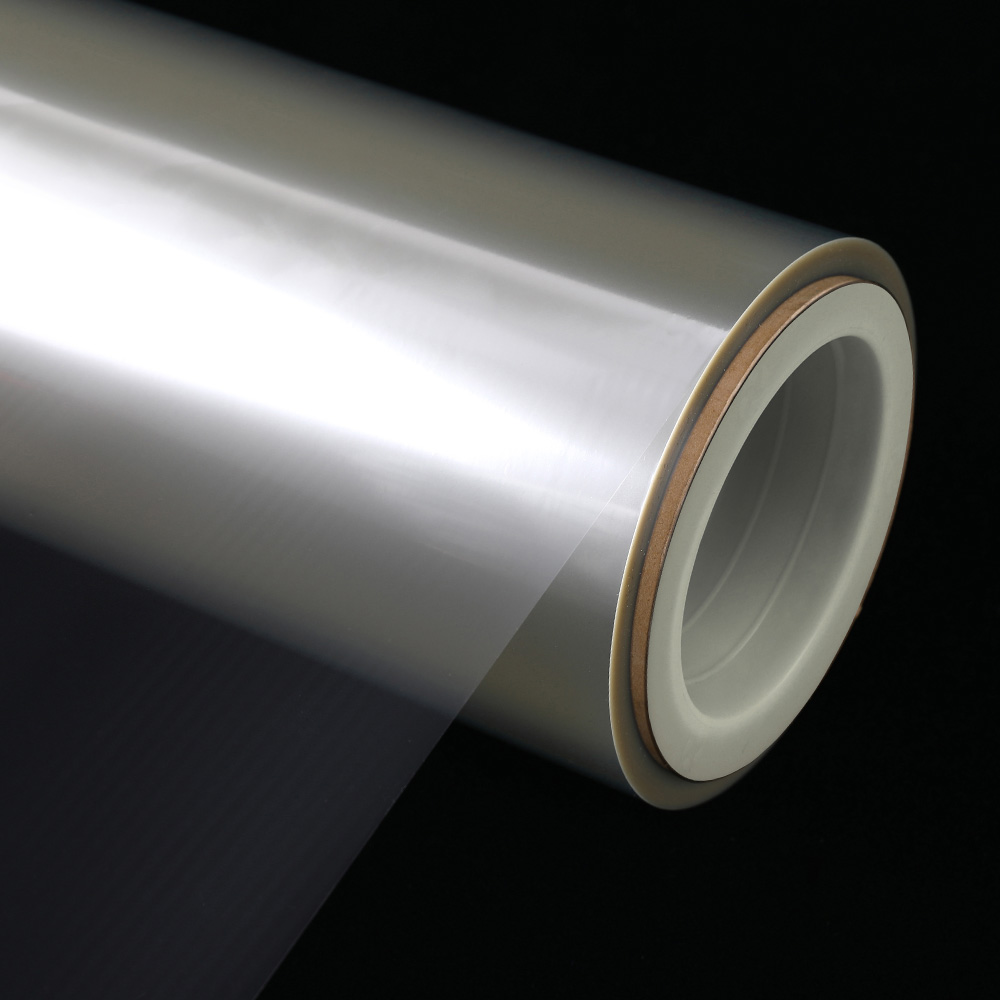
The process starts with PET resin pellets being melted and extruded through a slit die onto a chilled casting drum. This creates an amorphous thick sheet. The "magic" happens during the stretching process. The film is stretched in both the machine direction (MD) and the transverse direction (TD). This biaxial orientation aligns the polymer chains, significantly increasing the film's tensile strength, clarity, and thermal stability.
Stage 2: The Vacuum Metallization Chamber
Once the base film is ready, it enters a vacuum chamber. This is where it becomes "MPET." The core steps include:
- Deposition: Aluminum wire is fed onto resistance-heated sources (evaporators) where it vaporizes at temperatures exceeding 1400 degrees Celsius.
- Condensation: The vaporized aluminum travels through the vacuum and condenses onto the surface of the cold PET film as it passes over a chilled roller.
- Optical Density Control: Sophisticated sensors measure the thickness of the aluminum layer in real-time. This is measured in Optical Density (OD), usually ranging from 2.0 to 3.0 for standard packaging applications.
Key Physical Properties of MPET Film
Why do industries choose MPET over plain PET or aluminum foil? The answer lies in its unique balance of physical and chemical properties. It offers a superior moisture vapor transmission rate (MVTR) and oxygen transmission rate (OTR) compared to standard plastic films.
| Property | Standard PET | MPET (Metallized) |
| Oxygen Barrier (OTR) | High | Very High (100x improvement) |
| Light Reflection | Low | Up to 98% Reflection |
| Surface Resistivity | Insulative | Dissipative/Conductive |
| Flex Crack Resistance | Excellent | Excellent |
B2B Strategic Advantages: Why Sourcing MPET Makes Financial Sense
From a procurement perspective, MPET is a "efficiency catalyst." It allows manufacturers to reduce material costs without sacrificing product shelf life. In a typical 3-layer laminate structure (PET/Foil/PE), replacing the foil with MPET can lead to a weight reduction of up to 40% while maintaining nearly identical barrier performance for most dry goods.
1. Operational Cost Reduction
Because MPET is lighter and thinner than aluminum foil (typically 12 microns vs 7-9 microns of foil), a single roll of MPET contains more linear meters than a roll of foil of the same diameter. This means fewer roll changes on the lamination line, reducing labor costs and machine downtime.
2. Durability in Supply Chain
Products packaged in MPET are less prone to "flex cracking." In long-distance shipping where packages are subjected to vibrations and handling, foil-based laminates can develop microscopic cracks that compromise the barrier. MPET's polymer backbone absorbs these stresses, ensuring the integrity of the barrier remains intact from the factory to the end consumer.
Diverse Industrial Applications
The versatility of MPET film allows it to permeate various sectors beyond just food snacks. Its reflective and barrier properties make it a staple in technical industries.
- Thermal Insulation: Used in building radiant barriers and emergency blankets to reflect up to 97% of radiant heat.
- Industrial Packaging: Protecting sensitive chemicals and high-purity resins from UV degradation and oxidation.
- Electronics: Serving as a primary component in static shielding bags to protect integrated circuits from electrostatic discharge.
- Decorative Uses: Its high-gloss, mirror-like finish is frequently used in gift wraps, ribbons, and labels to enhance shelf appeal.
Quality Control Benchmarks for Bulk Procurement
When evaluating suppliers, B2B buyers must look beyond the price per kilogram. Quality variance in the metallization process can lead to significant manufacturing failures down the line. Key metrics to monitor include:
Metal Adhesion: If the aluminum layer is not properly bonded to the PET substrate, it can "delaminate" during the printing or lamination process. This is often tested using the EAA (Ethylene Acrylic Acid) peel test or simple tape tests.
Surface Tension (Dyne Level): For the film to accept inks and adhesives, the surface must be treated (usually via Corona treatment). A standard Dyne level of 48 to 56 mN/m is typically required for the metallized side to ensure proper bonding.
Future Trends in MPET Technology
The industry is moving toward "High Barrier" MPET, which utilizes plasma-enhanced chemical vapor deposition (PECVD) to create even more impermeable layers. Additionally, sustainability is driving the development of PCR-MPET (Post-Consumer Recycled MPET), allowing brands to meet environmental targets without sacrificing the high-performance barrier that only metallized films can provide.
Frequently Asked Questions (FAQ)
Q1: Is MPET film microwaveable?
No. Because MPET contains a thin layer of real aluminum, it is conductive and can cause arcing or fire in a microwave. For microwaveable barrier needs, clear oxide-coated films are preferred.
Q2: How does MPET compare to VMPET?
MPET and VMPET (Vacuum Metallized Polyester) are generally used interchangeably. Both refer to the same product: a polyester film that has been metallized in a vacuum environment.
Q3: What is the typical shelf life of an MPET roll?
When stored in a cool, dry environment (typically below 30 degrees Celsius and 60% humidity), the film remains stable for 6 to 12 months. Beyond this, the surface treatment (Dyne level) may degrade.
Q4: Can MPET be used for direct food contact?
MPET is usually used as a middle layer in a laminate. While the PET base is often FDA-approved, the metallized surface is typically protected by another layer (like PE) to prevent direct contact and ensure food safety.
Q5: What determines the "shine" or reflectivity of the film?
The optical density (OD) and the smoothness of the base PET film determine the reflectivity. A higher OD means a thicker aluminum layer, which generally provides a more consistent, mirror-like finish.

Are you ready to work with us?
Start a project
- Quick Links
- Company Profile
- Company Culture
- Qualification
- FAQ
- Product
- ALOx Films
- VMPET
- VMCPP
- VMBOPP
- Coated Film
- Contact Us
- Tel: +86-13456263964
-
Phone : +86-0573-87783633
Phone : +86-0573-87780583 - E-mail : [email protected]
- Address: 6th Xinhe Road, Xieqiao Town, Haining City, Zhejiang Province, China

