

 English
  中文简体
中文简体 
What is the process of AlOx coating?
 2026.03.12
 Industry News
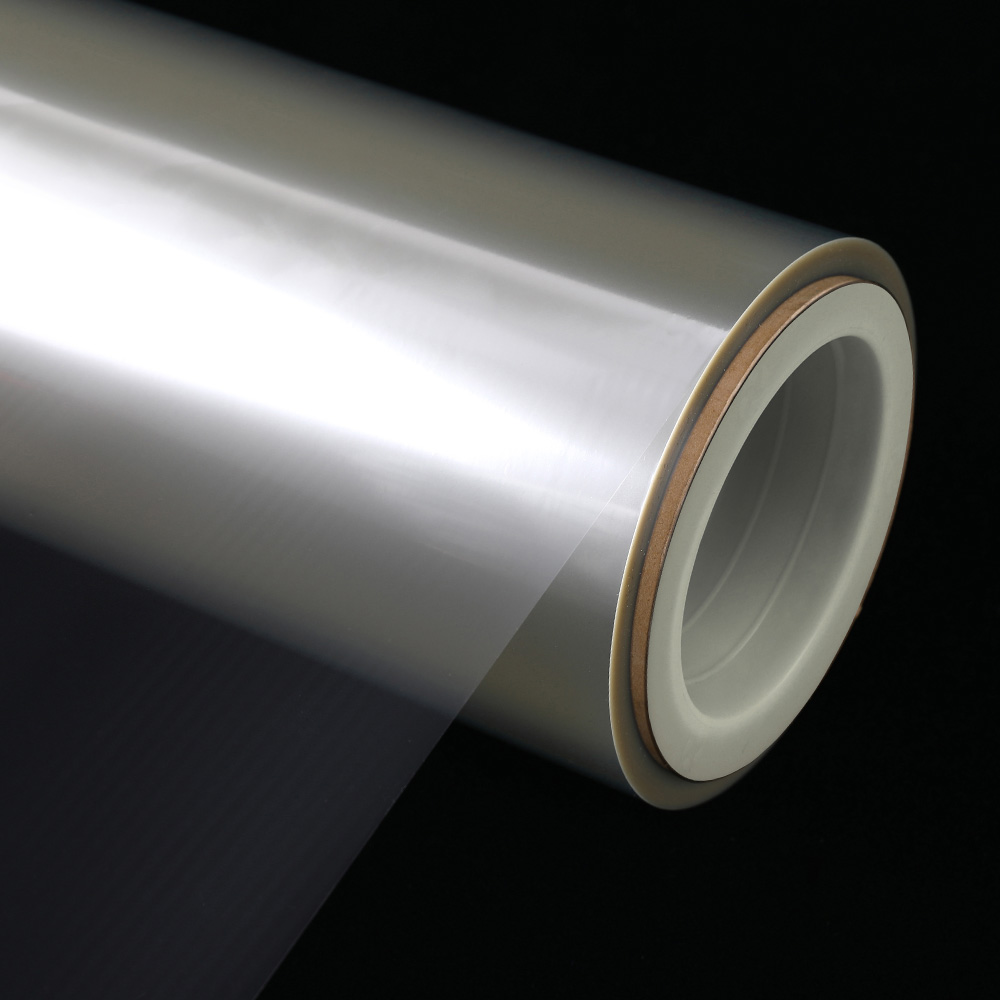
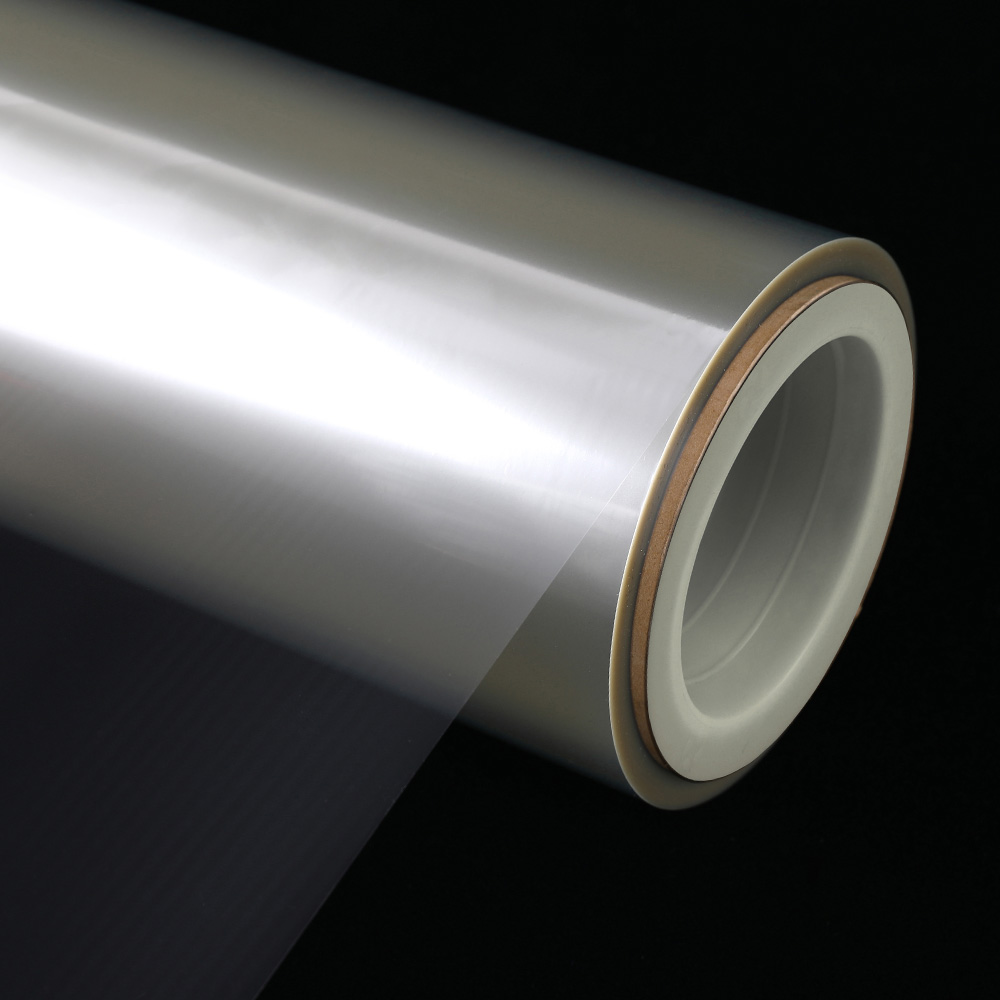
AlOx coating is a physical vapor deposition (PVD) process in which aluminum oxide (Al₂O₃) is deposited onto a flexible substrate — typically PET, OPP, or nylon film — to create an ultra-thin, transparent barrier layer. The resulting coating is typically 10–100 nm thick, yet delivers outstanding protection against oxygen, moisture, and other gases, making it one of the most effective transparent barrier solutions in flexible packaging today.
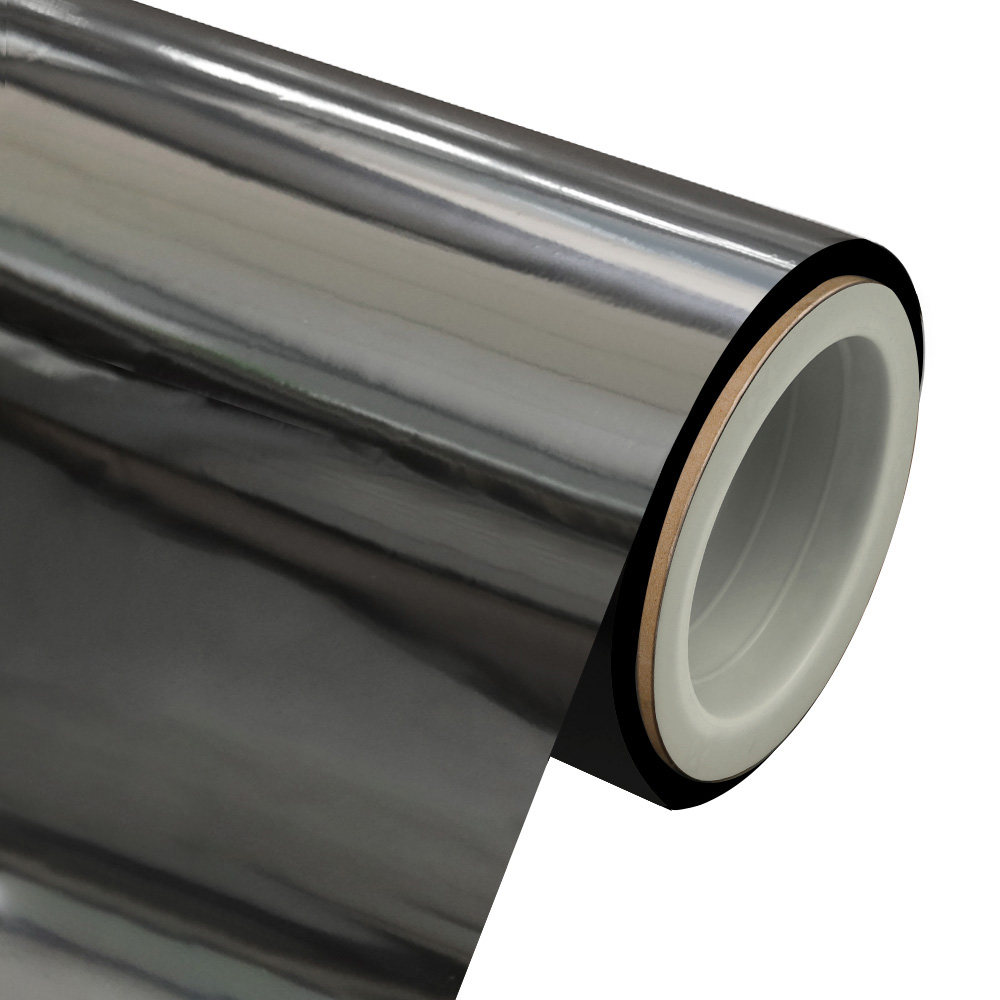
Unlike traditional metallized films, ALOX coated film remains optically clear and is compatible with microwave use, making it suitable for food, pharmaceutical, and electronics packaging where visibility and safety both matter.
The Step-by-Step Process of AlOx Coating
The AlOx coating process follows a precise sequence of steps carried out under vacuum conditions. Each stage directly affects the final barrier performance and adhesion quality of the coating.
Step 1 — Substrate Preparation
The base film (e.g., PET or OPP) is first cleaned and surface-treated, typically via corona or plasma treatment, to increase surface energy. This step ensures proper adhesion of the aluminum oxide layer. A surface energy of at least 42–48 mN/m is generally targeted before coating begins.
Step 2 — Vacuum Chamber Setup
The treated film is loaded onto a roll-to-roll coater and placed inside a high-vacuum chamber. The chamber is evacuated to a pressure range of 10⁻⁴ to 10⁻⁵ mbar, which is essential to prevent contamination and ensure uniform deposition.
Step 3 — Evaporation of Aluminum Source
Pure aluminum is evaporated using one of two primary methods:
- Electron beam (e-beam) evaporation — A focused electron beam heats the aluminum target, generating a vapor flux directed at the film.
- Reactive evaporation — Aluminum is evaporated in the presence of oxygen gas, allowing it to oxidize in-flight and deposit as Al₂O₃ directly on the film surface.
Reactive evaporation is the most widely used method in commercial AlOx film production due to its efficiency and consistent stoichiometry control.
Step 4 — Oxygen Reactive Gas Introduction
A controlled flow of oxygen is introduced into the vacuum chamber. The ratio of oxygen to aluminum vapor determines the oxidation state of the deposited layer. Precise oxygen flow control is critical — insufficient oxygen leads to sub-stoichiometric AlOx with reduced barrier properties, while excess oxygen can cause unstable plasma conditions.
Step 5 — Deposition onto the Film
As the aluminum oxide vapor condenses on the moving film surface, a continuous, amorphous ceramic layer forms. The film travels at speeds typically ranging from 200 to 600 m/min depending on target coating thickness and equipment capability. The final coating is usually between 20 and 80 nm for barrier packaging applications.
Step 6 — Post-Coating Treatment and Winding
After deposition, the coated film may undergo additional surface treatments or protective topcoat application to improve scratch resistance and printability. The finished roll is then wound, inspected, and tested for barrier performance before shipment.
Key Barrier Performance of ALOX Coated Film
The barrier performance of AlOx coated films is measured primarily by Oxygen Transmission Rate (OTR) and Water Vapor Transmission Rate (WVTR). High-quality ALOX films consistently achieve the following benchmarks:
| Property | Typical Value | Unit |
| OTR (Oxygen Transmission Rate) | < 1.0 | cm³/m²/day |
| WVTR (Water Vapor Transmission Rate) | < 1.0 | g/m²/day |
| Coating Thickness | 20–80 | nm |
| Light Transmission | > 88% | % |
| Retort / High-Temperature Stability | Up to 135°C | °C |
These values position ALOX coated films as a direct alternative to PVDC and metallized films in applications where transparency is required alongside high-barrier performance.
Factors That Affect AlOx Coating Quality
Several process variables have a significant impact on the final barrier properties and structural integrity of the AlOx layer:
- Oxygen-to-aluminum ratio: Controls stoichiometry; the x value in AlOx typically ranges from 1.0 to 1.5 for optimal barrier performance.
- Deposition rate: Faster rates can reduce coating uniformity; a controlled, moderate rate produces denser, more defect-free layers.
- Substrate temperature: Higher substrate temperatures during deposition improve layer crystallinity but require heat-stable base films.
- Film tension and flatness: Wrinkles or tension variations during roll-to-roll processing cause coating defects that compromise barrier performance.
- Vacuum level stability: Any pressure spikes during deposition can introduce contaminants and reduce layer density.
Primary Applications of ALOX Coated Film
Due to its combination of transparency, barrier performance, and heat resistance, ALOX coated film is used across a wide range of industries:
- Food packaging: Suitable for retort pouches, stand-up pouches, and lidding films for products requiring extended shelf life without aluminum foil.
- Pharmaceutical packaging: Used in blister packs and sachets where both barrier and product visibility are needed.
- Electronics: Protects sensitive components from moisture ingress in flexible packaging formats.
- Medical devices: Offers sterile barrier performance with the transparency required for product inspection.
- Agricultural films: Used in seed and fertilizer packaging where moisture control is critical.
AlOx Coating vs. Other Barrier Technologies
Understanding how AlOx compares to alternative barrier methods helps clarify when it is the right choice:
| Technology | Transparent | Microwave Safe | Retort Compatible | Recyclability |
| AlOx Coating | Yes | Yes | Yes | High |
| Aluminum Foil Laminate | x | x | Yes | Low |
| Metallized Film (Al) | x | x | Limited | Medium |
| PVDC Coating | Yes | Yes | Limited | Low |
| SiOx Coating | Yes | Yes | Limited | High |
AlOx coated film stands out as the only technology that satisfies all four criteria simultaneously, making it the preferred choice for high-performance, sustainable packaging.
Sustainability Advantages of the AlOx Coating Process
The AlOx coating process has notable environmental benefits compared to traditional barrier options:
- The AlOx layer accounts for less than 0.01% of total film weight, adding minimal material while delivering significant performance gains.
- ALOX coated films on mono-material substrates (e.g., all-PET or all-PP) are compatible with existing recycling streams, supporting circular economy goals.
- The process does not involve chlorine-based chemicals (unlike PVDC), reducing hazardous waste and emissions during manufacturing.
- Extended shelf life enabled by superior barrier performance reduces food waste throughout the supply chain.
FAQ
Q1: What does AlOx stand for?
AlOx stands for aluminum oxide, where "x" denotes the variable oxygen content in the deposited layer. It is a ceramic compound used as a transparent barrier coating on flexible films.
Q2: How thick is a typical AlOx coating?
A typical AlOx barrier coating is between 20 and 80 nm thick. Despite this extremely thin layer, it provides effective oxygen and moisture barrier performance.
Q3: Is ALOX coated film food-safe?
Yes. Aluminum oxide is chemically inert and widely recognized as safe for food contact applications. ALOX coated films are commonly used in direct and indirect food packaging.
Q4: Can ALOX coated film be used in retort packaging?
Yes. High-quality ALOX films are formulated to withstand retort processing at temperatures up to 135°C while maintaining barrier integrity.
Q5: What base films can be used with AlOx coating?
The most common substrates are PET, OPP, and nylon (PA). PET is most widely used due to its dimensional stability and surface smoothness, which contribute to more uniform coating deposition.
Q6: How does AlOx coating compare to SiOx in terms of barrier performance?
Both provide similar OTR and WVTR levels for standard applications. AlOx generally offers better performance after retort sterilization, while SiOx may offer slightly better flexibility in certain laminate structures.

Are you ready to work with us?
Start a project
- Quick Links
- Company Profile
- Company Culture
- Qualification
- FAQ
- Product
- ALOx Films
- VMPET
- VMCPP
- VMBOPP
- Coated Film
- Contact Us
- Tel: +86-13456263964
-
Phone : +86-0573-87783633
Phone : +86-0573-87780583 - E-mail : [email protected]
- Address: 6th Xinhe Road, Xieqiao Town, Haining City, Zhejiang Province, China

