

 English
  中文简体
中文简体 
BOPET Mylar Film: Properties, Types, and Flexible Packaging Applications
 2026.09.17
 Industry News
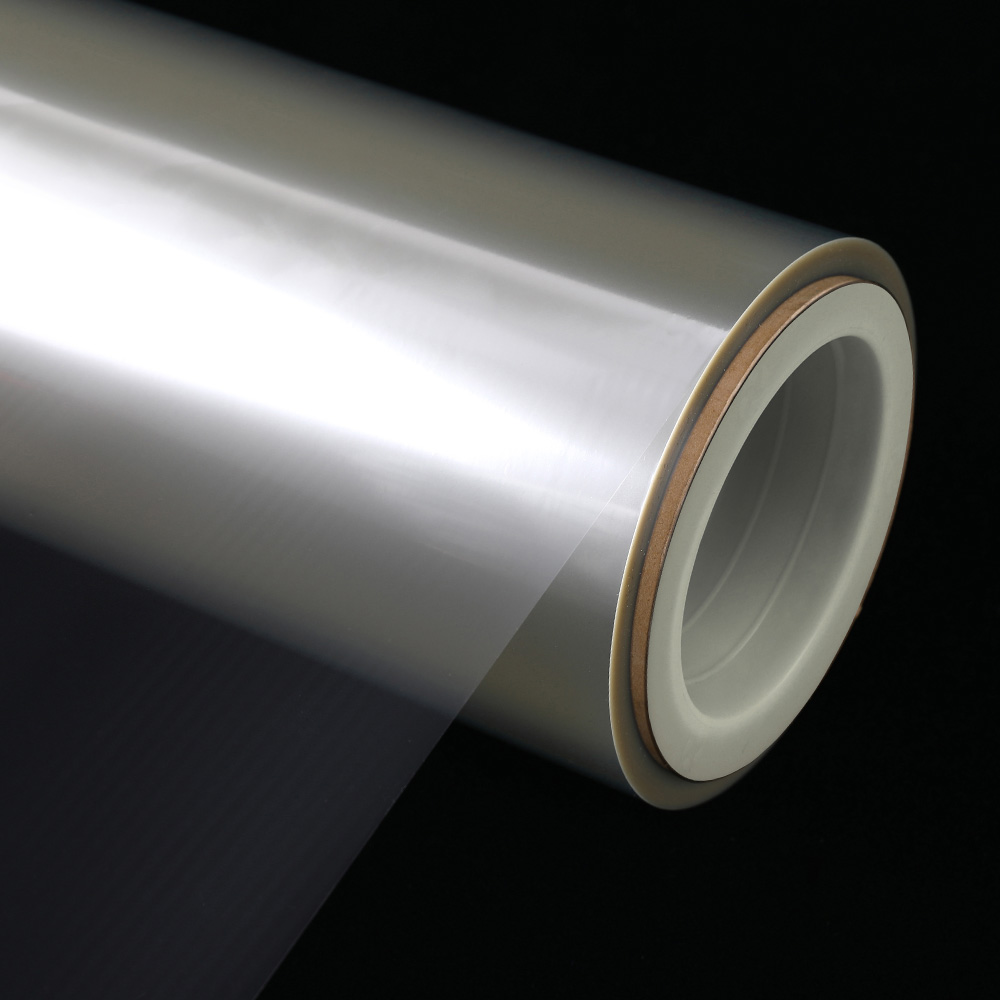
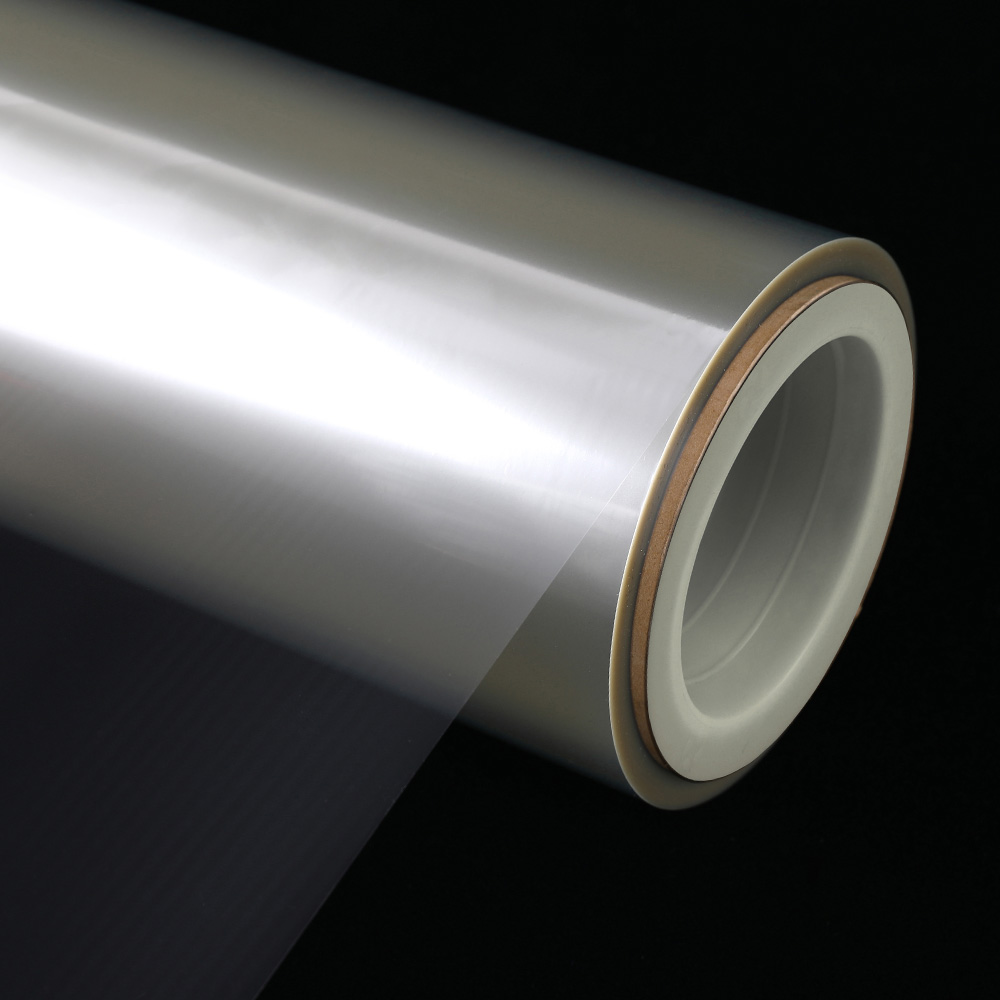
When tea, nuts, or coffee beans need a pouch that keeps moisture out and survives high-speed filling, the specification sheet usually names BOPET Mylar. This biaxially oriented polyester film brings a combination of tensile strength, dimensional stability, and barrier performance that makes it a practical starting point for many flexible packaging structures. Below is a concise guide that explains what it is, how to evaluate it, and when a converted version is the right fit.
What Is BOPET Mylar?
BOPET stands for biaxially oriented polyethylene terephthalate. The manufacturing process begins with a PET resin that is heated and extruded into a thick sheet. This sheet is then stretched in the machine direction and transverse direction, with a typical stretch ratio of 3 to 4 times in each direction. The stretching step aligns the polymer chains in both planar dimensions, which makes the film strong and dimensionally stable. After stretching, a heat-setting step relieves internal stress and fixes the orientation.
Mylar is the trade name that helped make this film widely known, and today the term is used generically for PET-based films with similar properties. BOPET is a base film rather than a finished product, so it is often converted by vacuum metallization, alumina coating, or PVDC/PVA coating to create materials with different barrier levels and surface characteristics. This conversion is what allows one base film to serve many packaging jobs, from snack wrappers to retort pouches.
Key Properties That Matter for Packaging
The value of BOPET Mylar in packaging comes from a combination of measurable properties that can be qualified and quantified before purchasing.
- High tensile strength: BOPET provides strong resistance to elongation and tearing, making it suitable for thin gauges in high-speed converting lines. Typical tensile strength values range from 150 to 200 MPa in the machine direction.
- Good barrier profile: It offers a moderate barrier to oxygen and moisture in its plain form. After metallization or ceramic coating, barrier performance improves significantly, and this is where most functional packaging grades are built.
- Wide operating temperature range: It performs from about -70°C to 150°C, covering freezer, ambient, and retort conditions without significant dimensional change.
- Optical clarity: Plain BOPET is transparent, while metallized and semi-metallized versions offer distinct visual effects that help products stand out on retail shelves.
- Printability: With suitable coating or corona treatment, BOPET accepts a wide range of inks and adhesives and delivers good ink adhesion for high-quality graphics.
In one practical case, a high-barrier metallized PET film at 12 microns can be used as the barrier layer in a three-layer laminate, replacing aluminum foil in applications where direct food contact is not required.
BOPET Mylar vs BOPP: Which Should You Choose?
BOPP and BOPET are often compared in flexible packaging because both are clear, strong, and recyclable. However, they target different performance points. The table below shows the typical differences.
| Property | BOPET Mylar | BOPP |
|---|---|---|
| Tensile strength | High | Moderate |
| Moisture barrier | Moderate | Good |
| Oxygen barrier (plain) | Moderate | Low to moderate |
| Heat resistance | Higher | Lower |
| Heat sealability | Usually needs a seal layer | Good |
| Typical coat weight | Higher cost per area | Lower cost per area |
When high stiffness and heat stability matter, BOPET is usually preferred. When sealability and moisture resistance are the primary needs, BOPP may be the better fit for the outer or middle layers. For high-barrier laminates requiring a stable substrate for vacuum metallization, BOPET is a proven choice. This technical guide on flexible film selection explains how these differences influence machine performance on VFFS, HFFS, and thermoforming lines.
Functional BOPET Mylar Materials in Packaging
Plain BOPET Mylar film usually does not go directly onto a product. It is converted into functional materials with different barrier and sealing properties. Three common functional types are:
Transparent High-Barrier AlOx PET Film
AlOx coated PET film delivers high transparency with high barrier performance. It is particularly useful for products that need visible contents while still requiring an oxygen barrier, such as coffee, tea, and dried foods. It is often viewed as a transparent alternative to metallized film. ALOx-P122 AlOx PET film is one such solution that balances cost and performance for food packaging.
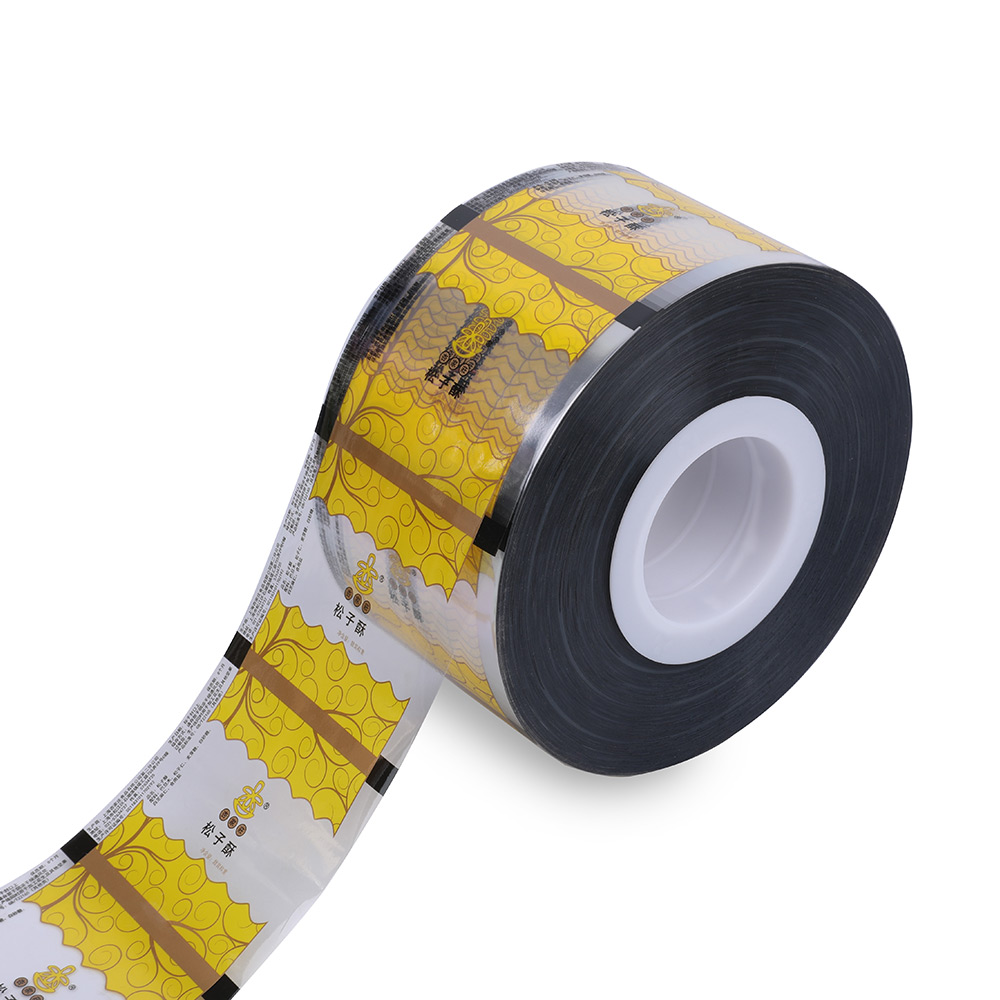 Transparent High-Barrier ALOx Coated PET Film for Food PackagingALOx-P122-A offers superior transparency and high barrier against moisture and oxygen, ideal for packaging dry goods like biscuits and snacks. Its printable surface and eco-friendly profile make it a balanced choice for demanding applications.View Product →
High-Barrier Metallized PET Film
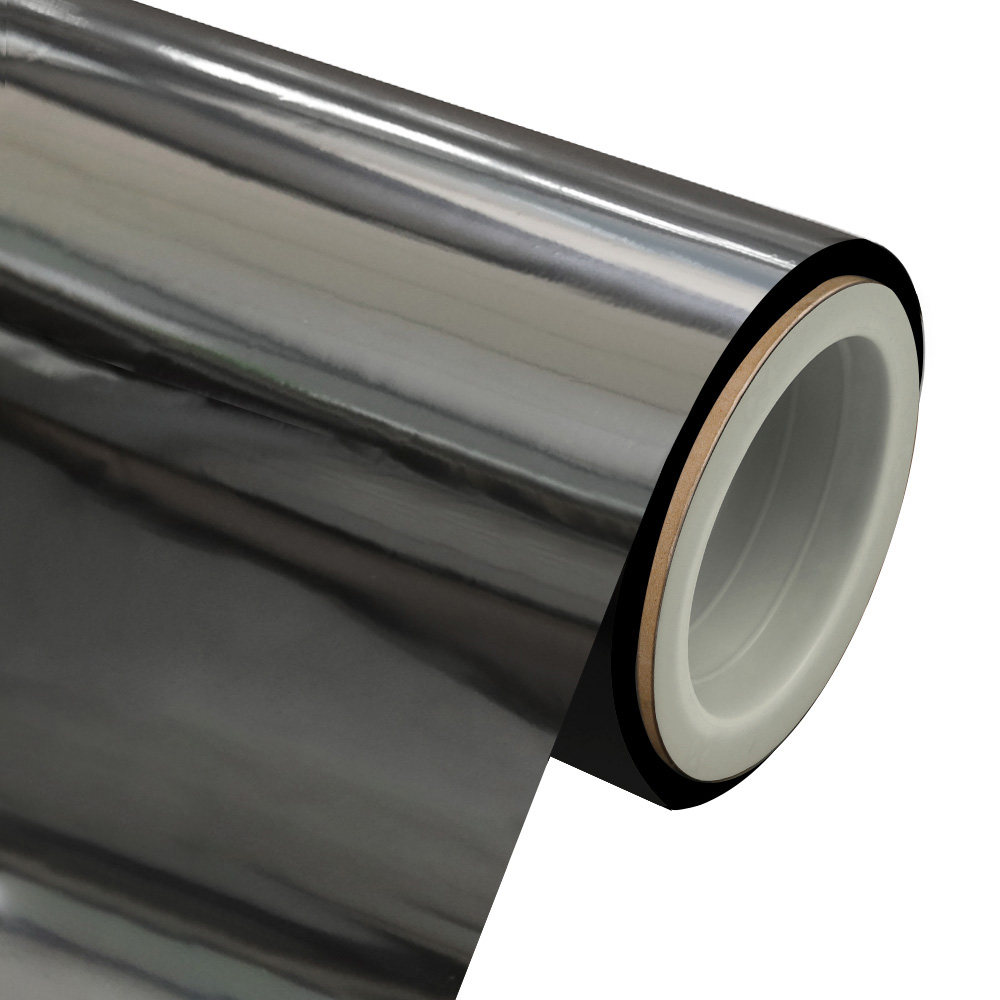
Vacuum metallization adds a thin aluminum layer to BOPET, producing a strong water vapor and oxygen barrier plus a metallic appearance. High-barrier metallized PET film PH-P02 is designed for demanding applications such as snacks, nuts, sauces, and pharmaceutical strips.
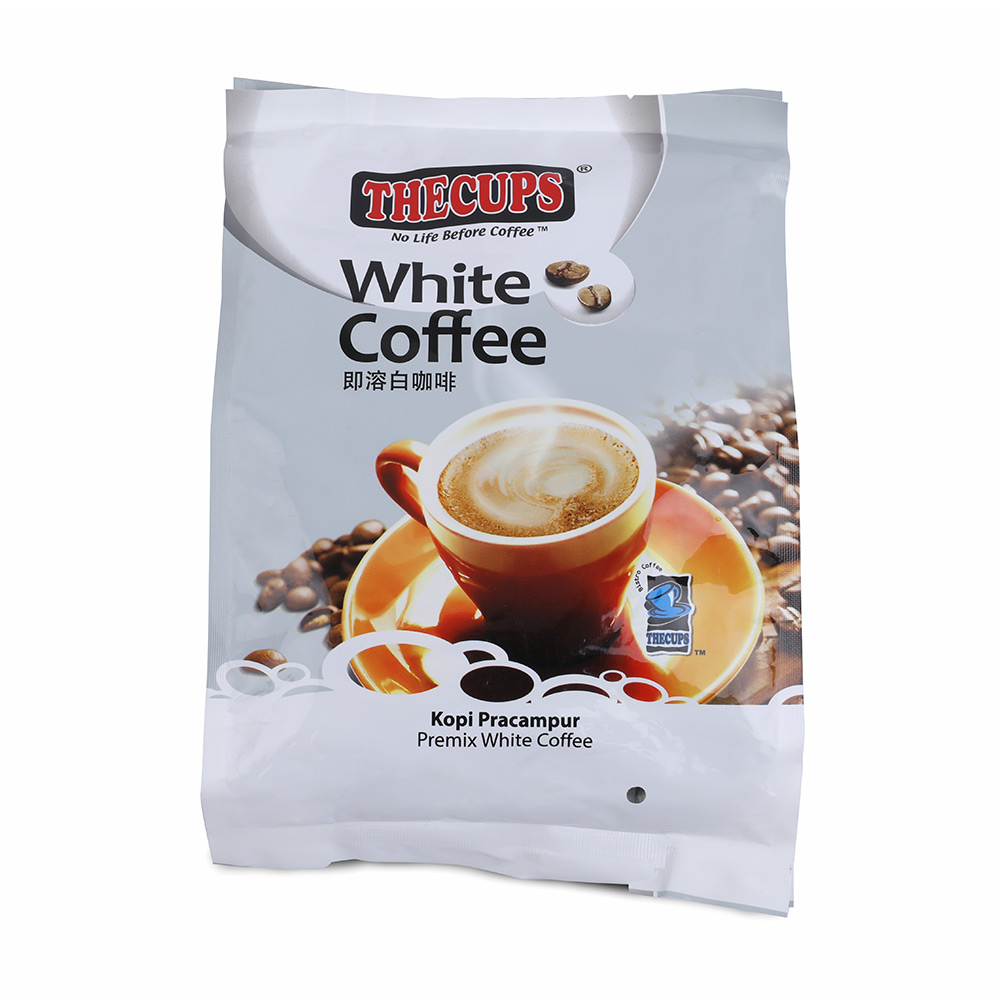 High Barrier Metallized PET Film for Snacks and Pharmaceutical PackagingPH-P02 features excellent water vapor and gas barrier with a glossy appearance, replacing aluminum foil in many structures. Suited for biscuits, chips, and pharmaceutical strips, it ensures product freshness and shelf appeal.View Product →
High-Barrier Metallized CPP Film
For the heat-seal layer, metallized CPP provides both barrier and seal performance. High-barrier metallized CPP film MCP115-02-G is commonly used in multi-layer structures where a strong seal and high barrier are required together.
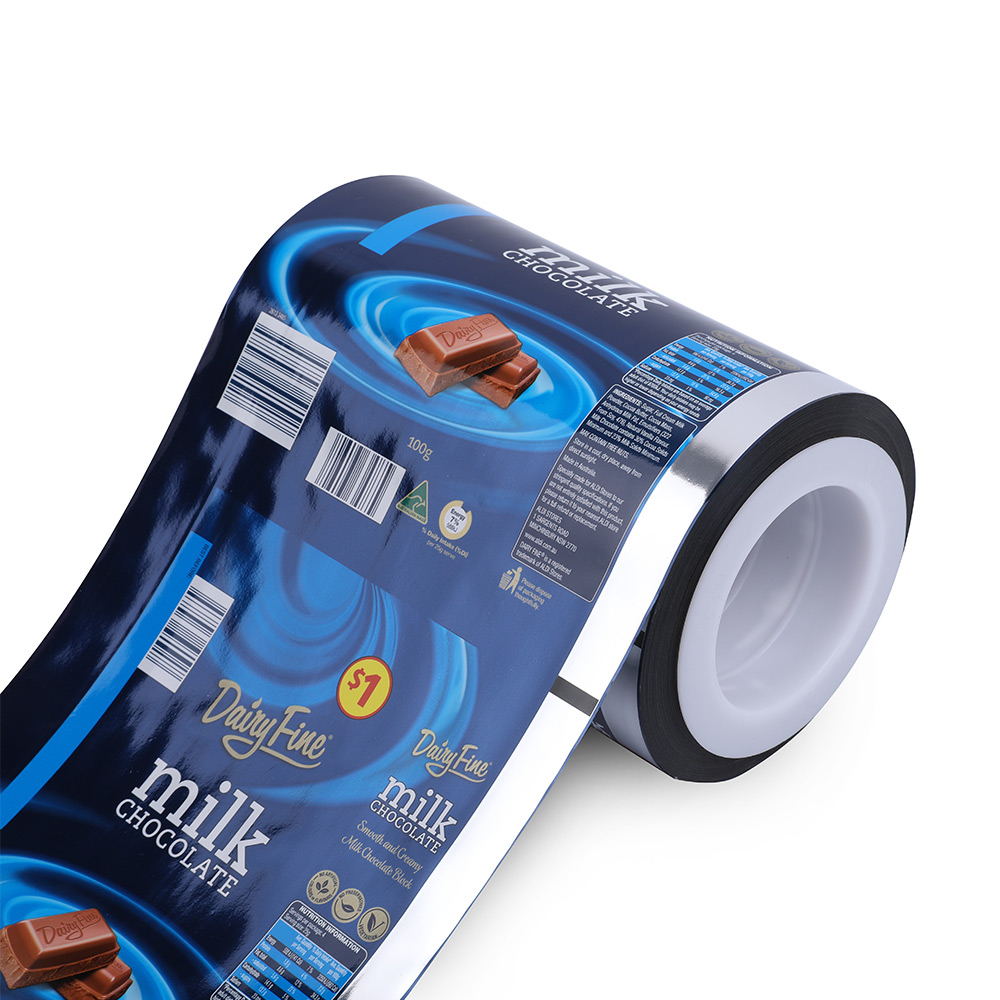 High Barrier Metallized CPP Film with Heat-Seal LayerMCP115-02-G combines strong barrier properties with good heat sealability, making it suitable for two-layer structures in food and medicine packaging. Its metallic look and stiffness support efficient lamination and extended shelf life.View Product →
How to Choose the Right BOPET Mylar for Your Product
Selection should begin with a simple question: what does the package need to protect and for how long? Then follow these factors:
- Oxygen and moisture requirements: Use plain BOPET for low barrier, metallized BOPET for high barrier, and AlOx BOPET for transparent high barrier.
- Transparency: If your customer wants to see the product, choose AlOx or a clear barrier coating.
- Sealing method: BOPET is not heat-sealable on its own; a seal layer such as CPP or PE is needed in the laminate.
- Lamination compatibility: For complex multi-layer structures, compatibility with extrusion or adhesive lamination is critical to avoid delamination.
- Regulatory compliance: Food contact materials must meet FDA and EU requirements; the base film and its conversion process should be documented.
| Requirement | Recommended Film Type |
|---|---|
| High barrier, opaque, low cost | Metallized PET |
| High barrier, transparent | AlOx PET |
| Heat seal layer with barrier | Metallized CPP |
| Printing and lamination support | Corona-treated BOPET |
What to Expect from a Reliable BOPET Mylar Supplier
When evaluating a supplier, focus on three core areas: process capability, quality consistency, and regulatory certification. A converter that operates multiple vacuum metallizers and coating lines can support medium and large packaging companies with stable delivery.
A producer with roughly 16 vacuum metallizers and 5 coating lines, and an annual capacity of about 100,000 tons of metallized film and 8,000 tons of coated film, is positioned to supply both standard and customized structures.
Quality consistency matters because film parameters affect lamination yield on your line. Look for suppliers that provide complete specifications, such as thickness tolerance, surface tension, coefficient of friction, and adhesion strength. ISO9001 certification, SGS and FDA testing reports, and involvement in national standards for oxide barrier films are useful indicators of a systematic quality culture.
FAQ
Q1: Is BOPET Mylar the same as PET film?
BOPET is a type of PET film that has been biaxially stretched. General PET film may not be oriented, which gives different mechanical and thermal properties.
Q2: Can BOPET Mylar be metallized?
Yes. Vacuum metallization is the most common conversion for BOPET, creating a reflective and high-barrier film.
Q3: Is BOPET Mylar food-safe?
Plain BOPET is approved for food contact in many markets. The final safety depends on the coatings, adhesives, and inks used in the laminate.
Q4: What is the difference between BOPET and BOPP?
BOPET has higher stiffness and heat resistance; BOPP offers easier heat sealing and better moisture barrier at lower cost.
Q5: How should BOPET Mylar film be stored?
Store rolls in a dry, clean environment with a temperature range of 15°C to 30°C. Avoid direct sunlight and extreme humidity to maintain surface tension and barrier properties.
Q6: What gauge is typical for metallized BOPET?
12 microns and 15 microns are common gauges for metallized BOPET, balancing barrier performance with cost and converting efficiency.
Choosing a BOPET Mylar film is not only about picking the thickest or cheapest option. It is about matching base material, conversion process, and barrier coating to the real demands of the product. With proper selection, BOPET Mylar can deliver the strength, barrier, and visual quality that modern packaging requires.

Are you ready to work with us?
Start a project
- Quick Links
- Company Profile
- Company Culture
- Qualification
- FAQ
- Product
- ALOx Films
- VMPET
- VMCPP
- VMBOPP
- Coated Film
- Contact Us
- Tel: +86-13456263964
-
Phone : +86-0573-87783633
Phone : +86-0573-87780583 - E-mail : [email protected]
- Address: 6th Xinhe Road, Xieqiao Town, Haining City, Zhejiang Province, China

