

 English
 中文简体

flexible packaging coffee structure barrier: Practical Applications, Selection
 2026.10.22
 Industry News
When a roaster in Portland seals a bag of Ethiopian Yirgacheffe, the aroma that fills the room starts a countdown. Coffee beans and ground coffee lose volatile aroma compounds, take up oxygen, absorb moisture, and degrade under light. The rate of that degradation depends on the packaging structure behind the seal. That is why the phrase flexible packaging coffee structure barrier films is not a technical buzzword. It is the difference between a coffee bag that tastes stale after two months and one that still delivers a bright cup after a full year.
Why Coffee Needs a Multi-Layer Barrier Structure
Coffee is a more demanding product than most food packaging applications. It is hygroscopic, chemically reactive, and releases CO2 continuously after roasting. A single film layer cannot handle all of these challenges at once. That is why real coffee packages use lamination structures, where each layer performs a specific role.
In a typical coffee package structure, you will find three distinct layers:
- An outer layer that provides the print surface, abrasion resistance, and sometimes stiffness. PET and BOPP films are common choices for this role.
- A barrier layer that blocks oxygen and moisture. This is usually metallized PET, metallized CPP, ALOx-coated PET, or PVDC-coated film.
- A sealant layer that allows the package to be closed securely. CPP and PE films are typical, and some sealant films carry their own barrier contribution.
The arrangement of these layers changes the package's ability to protect coffee from four main threats. Understanding each threat helps you evaluate the material choices with a clear criterion.
The Four Critical Barrier Requirements for Coffee
Coffee degrades through four distinct pathways, and each one demands a measurable barrier response from the film structure. When you evaluate any flexible packaging coffee structure, these four values are where the decision actually happens.
- Oxygen transmission. Oxygen oxidizes the oils in coffee and robs the flavor. Whole beans typically need an oxygen transmission rate (OTR) below 2 cc/m²/day, while ground coffee needs below 1 cc/m²/day for a meaningful shelf life.
- Moisture transmission. Coffee absorbs water vapor quickly. A moisture vapor transmission rate (WVTR) below 2 g/m²/day is recommended to prevent the beans from swelling and losing grindability.
- Aroma retention. Volatile aroma compounds migrate through the package wall. Films with high barrier to organic vapors, such as PVDC-coated BOPP and ALOx-coated PET, help lock in the character of the cup.
- Light protection. UV and visible light promote photo-oxidation of coffee oils. Metallized films excel here because they are naturally opaque, while transparent ALOx structures need a printed outer layer to provide the required light shield.
The target values below are a starting point for any coffee film spec. Confirm the exact targets with your converter, because the roast level, grind particle size, and storage temperature all move these numbers.
| Barrier Property | Whole Bean Coffee | Ground Coffee |
|---|---|---|
| OTR | < 2 cc/m²/day | < 1 cc/m²/day |
| WVTR | < 2 g/m²/day | < 1 g/m²/day |
Barrier Film Technologies for Coffee Laminations
The barrier layer is the heart of any coffee structure. Four film technologies dominate the market today, and each one carries a distinct trade-off between transparency, barrier, processability, and cost.
Metallized PET Film
Vacuum-metallized PET, commonly called VMPET, is the most widely used barrier film for coffee packaging. Its thin aluminum layer provides exceptional oxygen and moisture protection, and it blocks nearly all light. It is also a strong substrate that laminates well and reproduces fine print. For opaque coffee bags that need maximum shelf life, high-barrier metallized PET is a proven choice. In practice, many brands compare VMPET with ALOx to decide whether the package should be opaque or transparent, and this side-by-side view of VMPET and ALOx solutions explains how the two technologies differ in real applications. A product like this high-barrier metallized PET film is designed for oxygen and moisture levels well inside the coffee range.
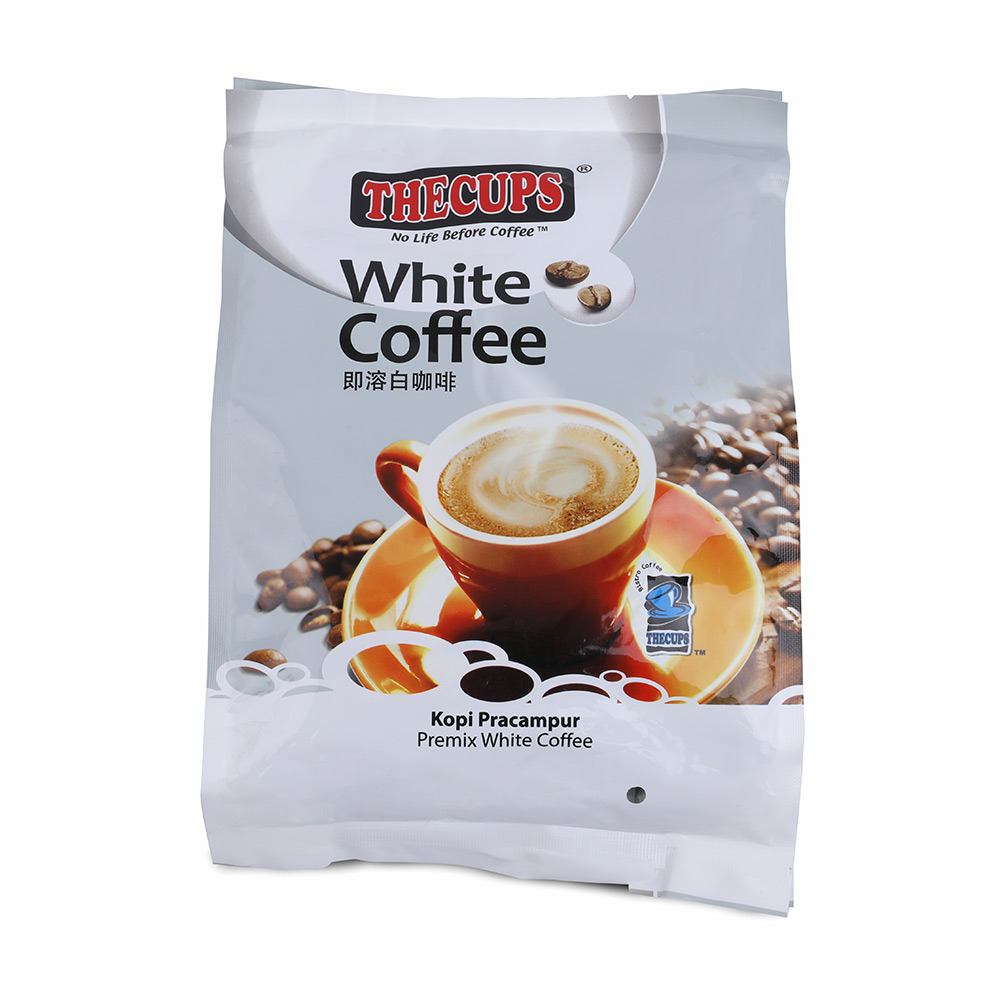 High Barrier Metallized PET Film for Coffee PackagingThis metallized PET film offers exceptional oxygen and moisture barrier, ideal for opaque coffee bags requiring maximum shelf life. Its superior gloss and stiffness make it a proven choice for laminations.View Product →
ALOx-Coated PET Film
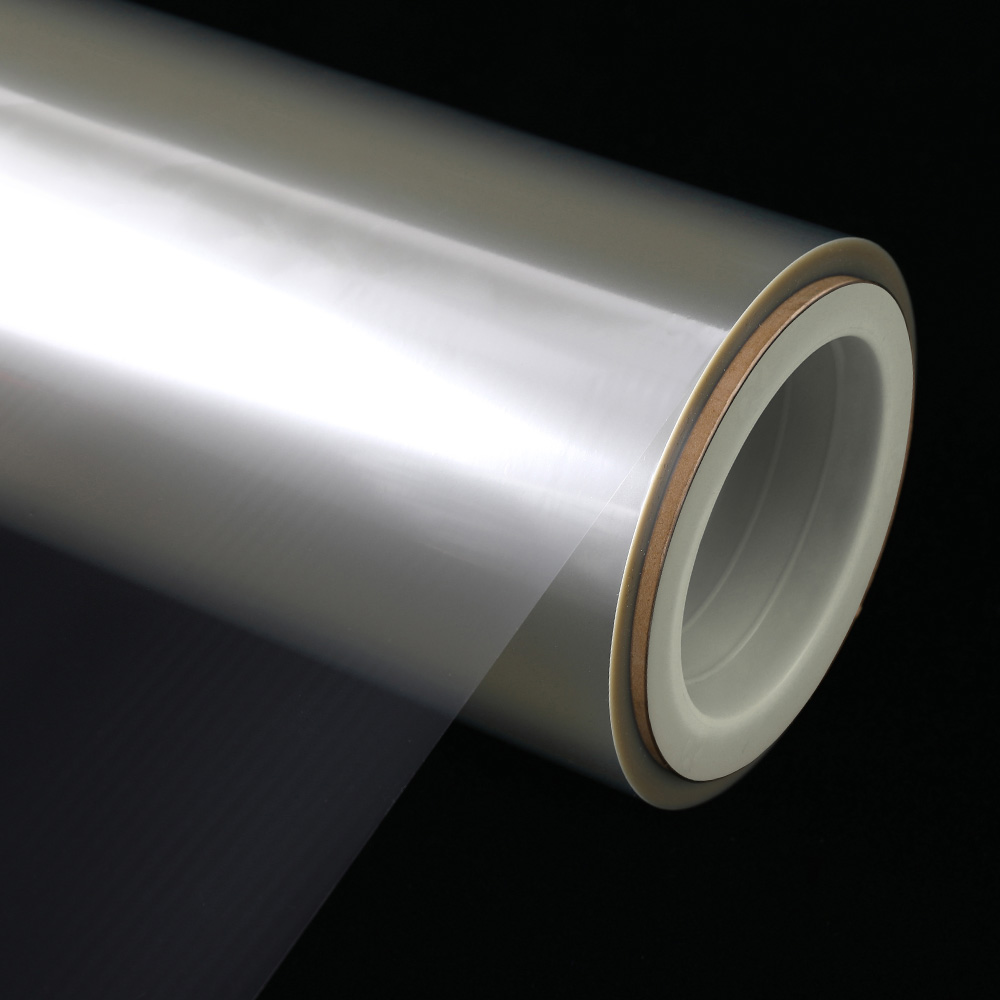
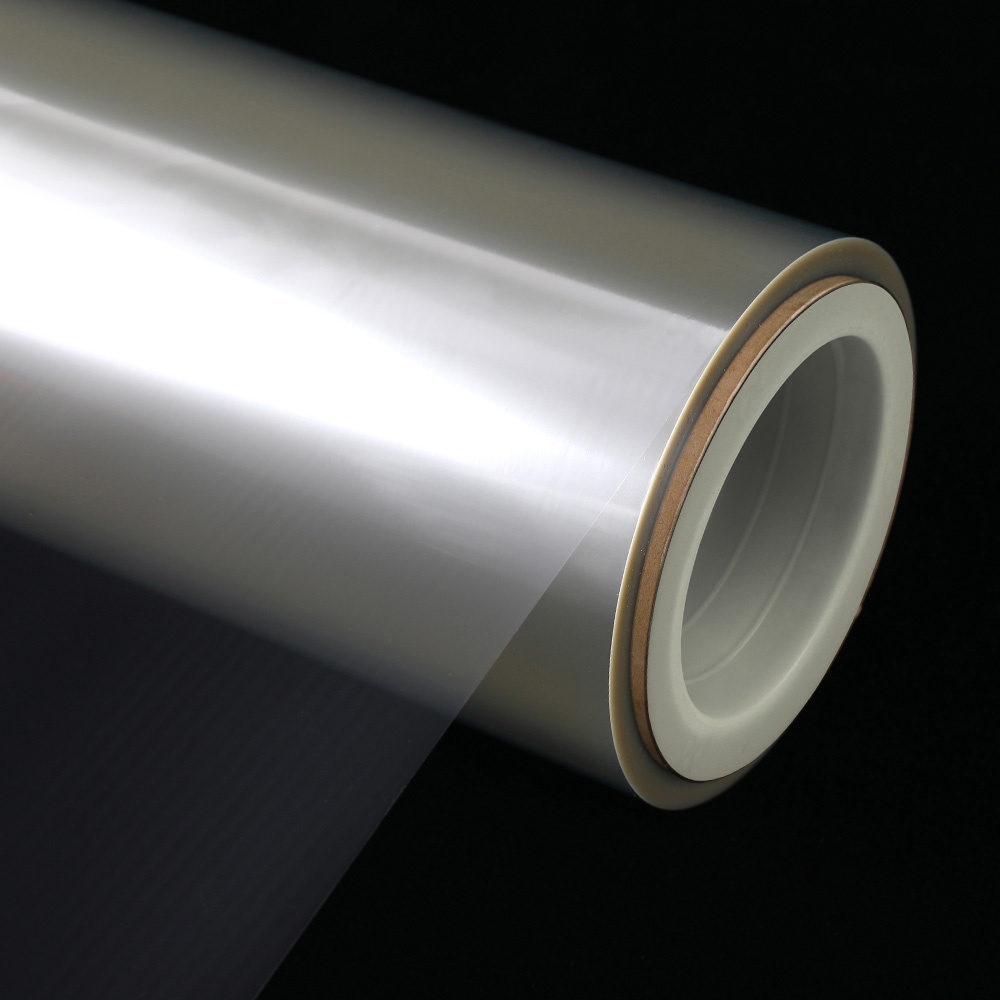
When a brand needs a transparent coffee bag, ALOx-coated PET is the strongest option. Aluminum oxide deposited on PET through vacuum coating creates a colorless, high-barrier web that still lets consumers see the beans. The barrier performance of ALOx PET approaches metallized levels, though it is not naturally opaque, so a printed outer layer or an additional light-blocking layer is needed. Transparent high-barrier films are also attracting interest for sustainability, and the innovations in transparent high-barrier films show how the technology is evolving toward recyclable mono-material structures. For food-safe, transparent barrier layers, this transparent ALOx-coated PET film offers a balanced combination of clarity and oxygen barrier.
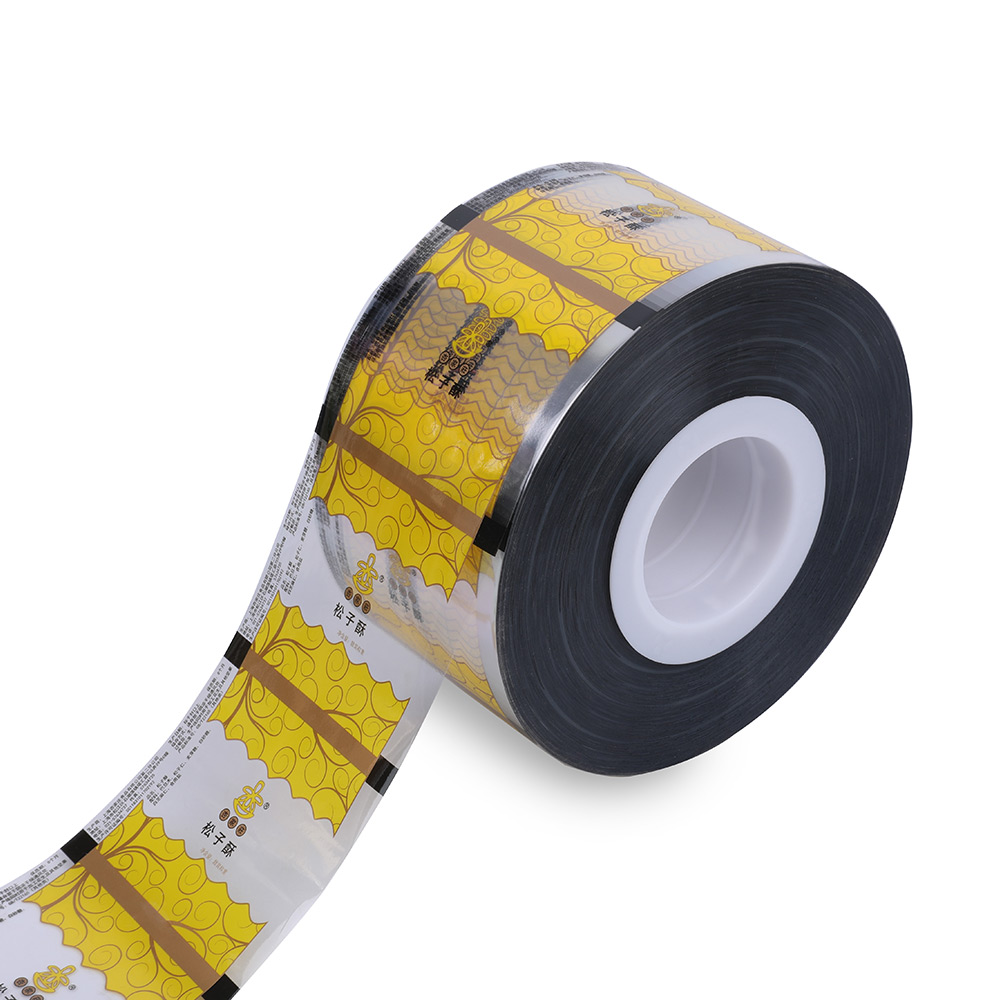 Transparent ALOx Coated PET Film with High BarrierThis transparent ALOx-coated PET film balances clarity and oxygen barrier, enabling see-through coffee packaging while approaching metallized barrier performance. Suitable for dry goods and sustainable structures.View Product →
PVDC-Coated BOPP and PET
PVDC coating delivers high oxygen and moisture barrier with one of the strongest aroma retention profiles among coating technologies. Coated films are often used in coffee structures where flavor protection is the top priority. BOPP-based PVDC coatings bring additional stiffness and printability to the structure, while PVDC-coated PET is favored when the laminator wants a polyester backbone with extra barrier security.
Metallized CPP as a Sealant Layer
The sealant layer in a coffee structure carries more than heat-seal duty. High-barrier metallized CPP combines a strong barrier with a low heat-seal temperature, which helps maintain line speed and protects the package's structural integrity. When the barrier and the sealant layer are combined in one film, the total structure can be simplified and downgauged. A good example is this high-barrier metallized CPP film, which is often used in laminations that need both sealing performance and a reliable gas and moisture shield.
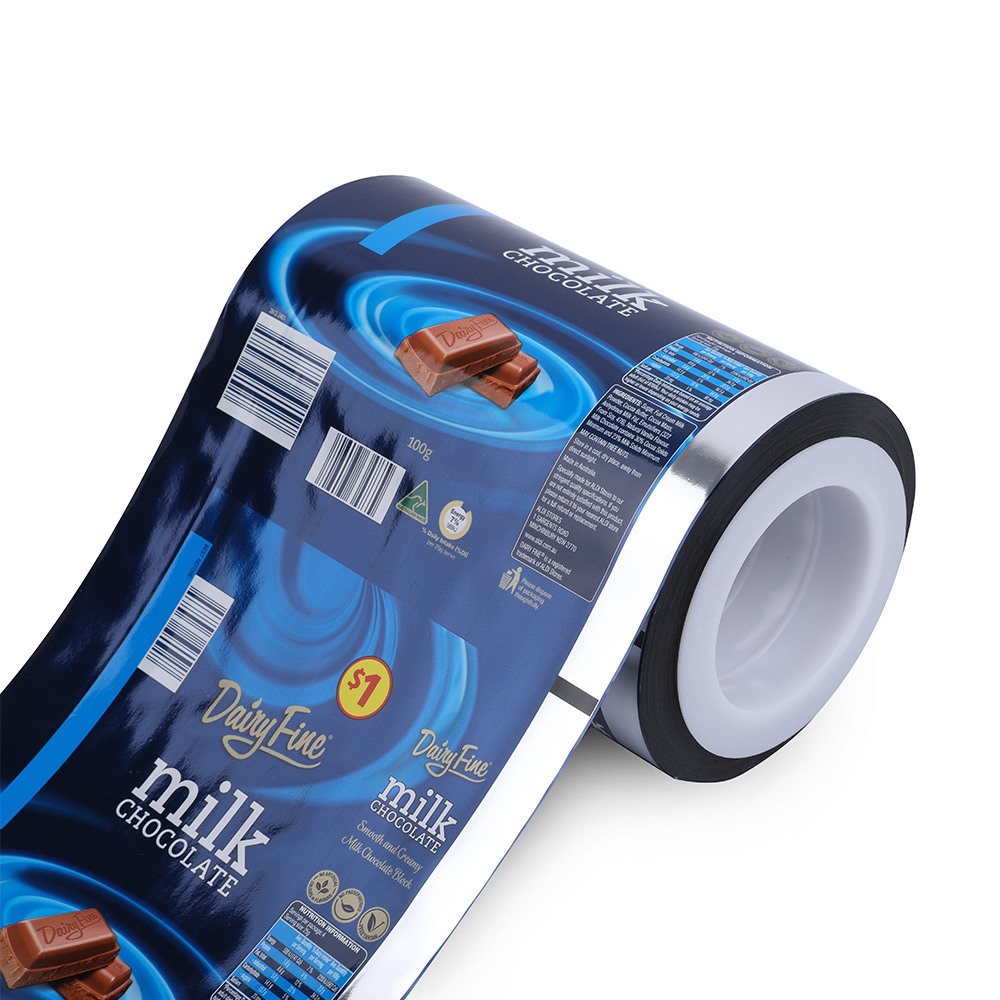 High Barrier Metallized CPP Film with Heat Seal LayerThis metallized CPP film combines barrier and heat-seal functions, simplifying coffee package structures. Its low seal temperature aids line speed and maintains package integrity.View Product →
Matching the Structure to the Coffee Format
Not every coffee package needs the same barrier level. The format of the product should drive the structure decision, because whole bean coffee, ground coffee, and single-serve pods each behave differently inside the same package.
For whole bean retail bags, the main challenge is CO2 management. Whole beans continue to release CO2 after roasting, so the package needs a one-way degassing valve. The barrier film still needs a low OTR to keep the beans fresh during long warehouse and supermarket shelf life. A structure with high-barrier metallized PET and a strong sealant layer is a reliable default.
For ground coffee, the oxygen-sensitive surface area is much larger. Ground coffee requires the highest barrier available, and the package often needs inert gas flushing to displace residual oxygen in the headspace. In this format, an ALOx or metallized barrier combined with a low-friction sealant layer can make a meaningful difference in packing speed and finished bag quality.
For single-serve pods, the requirements shift again. The barrier film must handle controlled puncture resistance and strict heat seal consistency. A structure combining ALOx PET with high-barrier metallized CPP can deliver the barrier and the processing behavior needed at high filling speeds.
For retail display, transparency is a marketing decision. If the brand wants a window to show the beans, ALOx-coated PET is the natural barrier choice. If the brand prioritizes maximum shelf life and a premium opaque look, metallized PET is the better route. The buying audience also matters, because a transparent coffee bag signals a premium, artisan feel to consumers who value seeing the product before purchase.
What Coffee Buyers Should Verify Before Selecting a Structure
For a pouch converter or a coffee brand owner, the supplier's barrier data is only the beginning. A glossy spec sheet does not guarantee the same performance on the production line. Here are four practical checks that help avoid expensive trial and error.
- Consistent barrier values across lots. One test certificate from production is meaningful only if the next batch matches it. Ask the film supplier for in-house OTR and WVTR test records from multiple production runs, not just a single datasheet.
- Lamination compatibility. The barrier film must bond cleanly to the adhesive and the sealant layer. Ask about surface energy, and confirm that the film is designed for solvent-free lamination if that is your process. Poor adhesion leads to delamination, which can destroy a coffee bag that looked perfect on the film line.
- Heat seal window. Coffee packaging runs at high speeds. The sealant side of the structure should have a workable heat-seal range that does not narrow your process window. A low heat-seal temperature can also protect heat-sensitive flavor compounds in the coffee.
- Regulatory compliance. If the coffee package will sell in Western markets, the film must comply with food contact regulations such as FDA and EU standards. Suppliers that can provide SGS or FDA test reports save you time in the qualification phase and reduce compliance risk.
The best way to optimize a coffee structure is to partner with a barrier film manufacturer that understands both the material and the converting process. A supplier with an in-house portfolio spanning metallized PET, metallized CPP, and ALOx-coated PET can help you avoid the common trap of over-specifying one layer while under-specifying another.
FAQ About Flexible Packaging Coffee Structure Barrier Films
Q1: What is the most important barrier property for coffee packaging?
Oxygen transmission rate is the single most important value, especially for ground coffee. However, a high-performance coffee structure must also control moisture, light, and aroma loss. In practice, evaluate OTR and WVTR together with the film's opacity or external light shielding.
Q2: Can transparent films match metallized films for coffee barrier?
ALOx-coated PET structures come close to metallized PET in oxygen and moisture barrier, but they are not naturally light-blocking. If you need a transparent package, plan a printed outer layer or an additional light-barrier layer to handle the light requirement.
Q3: How long can a coffee package stay fresh with a high-barrier structure?
With the right barrier film, whole bean coffee can hold its peak flavor for 12 to 18 months, and ground coffee can hold for about 9 to 12 months. These values assume a proper one-way valve, inert gas flushing where needed, and a clean seal in the pouch making process.

Are you ready to work with us?
Start a project
- Quick Links
- Company Profile
- Company Culture
- Qualification
- FAQ
- Product
- ALOx Films
- VMPET
- VMCPP
- VMBOPP
- Coated Film
- Contact Us
- Tel: +86-13456263964
-
Phone : +86-0573-87783633
Phone : +86-0573-87780583 - E-mail : [email protected]
- Address: 6th Xinhe Road, Xieqiao Town, Haining City, Zhejiang Province, China

