

 English
 中文简体

High Barrier Packaging Explained: Performance, Selection and Cost Benchmarks
 2026.10.26
 Industry News
High Barrier Packaging: The Decision Guide Buyers Actually Need
If a coffee brand sees its aroma fade in week three, or a snack manufacturer loses crispiness months before the labelled shelf life, the root cause is often the barrier film, not the filling machine or the packaging process. High barrier packaging is the set of film structures designed to slow the ingress of oxygen, water vapor, and light to the point where product quality remains within specification for a defined period.
The practical conclusion is to specify a high barrier material by its oxygen transmission rate (OTR) and water vapor transmission rate (WVTR), not by its trade name or thickness. A film that says "barrier grade" on the datasheet is not automatically a high barrier film. The numbers decide.
This guide covers the definitions, performance benchmarks, film technologies, and selection factors that matter when you are sourcing high barrier packaging for food, pharmaceuticals, or industrial products.
What Defines High Barrier Packaging
High barrier packaging is a material system that limits the permeation of gases and moisture through the package wall. In flexible packaging, the term is applied to films that have a very low oxygen and water vapor transmission rate compared with standard films like LDPE, PP, or uncoated PET.
The commonly used threshold is an OTR below 1 cm3/m2/24h and a WVTR below 1 g/m2/24h. Some specialized structures achieve even better performance, with OTR in the range of 0.1 to 0.5 cm3/m2/24h, which is often necessary for sensitive products like roasted nuts, coffee beans, pharmaceuticals, and retort meals.
The barrier property comes from the deposited or coated layer, not from the base film. A 12 µm PET film alone has an OTR above 100 cm3/m2/24h. After applying a high barrier metallized layer or an oxide coating, the OTR drops by two to three orders of magnitude. This is what makes metallized films, aluminum oxide coated films, and PVDC-coated films the standard workhorses in high barrier packaging. For a deeper technical view of how barrier levels are determined, see what defines a high barrier film in the packaging industry.
Why Barrier Performance Extends Shelf Life
Food and pharmaceutical products degrade through oxidation, moisture absorption, aroma loss, and light exposure. High barrier packaging addresses each route by reducing the permeability of the film structure.
Oxygen causes flavor fade in coffee, rancidity in fried snacks, and active ingredient degradation in medicines. Moisture causes texture loss in hygroscopic powders and caking in vitamins. Light accelerates both chemical and nutritional degradation.
The right barrier film is not a cost center. It is the difference between a six-month shelf life and a twelve-month shelf life, and that difference can open new distribution channels, reduce returns, and elevate the price point.
When a product has a verified shelf life of 12 months instead of 6, the manufacturer can sell into longer supply chains, expand distribution reach, and reduce discounts tied to short expiry dates. This is a strategic advantage that goes far beyond the packaging line.
Key Barrier Metrics: Reading OTR and WVTR
When comparing high barrier films, the two values that matter are OTR and WVTR. OTR measures how much oxygen passes through the film per square meter in 24 hours, usually expressed in cm3/m2/24h. WVTR measures how much water vapor passes through, expressed in g/m2/24h.
Both are measured at standard test conditions, typically 23°C and 50% relative humidity for WVTR, and 23°C and 0% relative humidity for OTR. These conditions are not universal across suppliers, so always confirm the test conditions before comparing numbers from different datasheets.
| Film type | OTR (cm3/m2/24h) | WVTR (g/m2/24h) |
|---|---|---|
| Uncoated PET (12 µm) | 100-150 | 30-40 |
| Metallized PET (high barrier) | 0.1-0.5 | 0.2-0.5 |
| ALOx coated PET | 0.5-1.0 | 0.3-0.7 |
| PVDC coated BOPA | 0.5-2.0 | 1-5 |
| Aluminum foil (9 µm) | <0.1 | <0.1 |
Sourcing implication: if your target shelf life is above 12 months, metallized or foil-containing structures are usually the most reliable choice. If the package needs to be transparent, ALOx coated films provide a strong alternative while still maintaining OTR below 1.
Main High Barrier Film Technologies
There are three common routes to high barrier performance in flexible packaging. Each has a different balance of performance, cost, and visual effect.
Aluminum Oxide (AlOx) Coated Films
AlOx films are produced by vacuum depositing a thin layer of aluminum oxide onto substrates like PET or BOPP. The coating is transparent, so the product can be seen through the package while the oxygen and moisture barrier remains high. A typical OTR is below 1 cm3/m2/24h, which places ALOx films in the high barrier category even though they are much more transparent than metallized structures.
These films are used for coffee, nuts, confectionery, snack packaging, and other food products where visibility is a design requirement. In some applications, ALOx coated PET is specified as a replacement for KPET or foil-containing laminates because it provides comparable barrier with reduced material weight and easier recycling. The ALOx-P122 AlOx PET film is one example of a high barrier transparent film with a consistent barrier profile across the web.
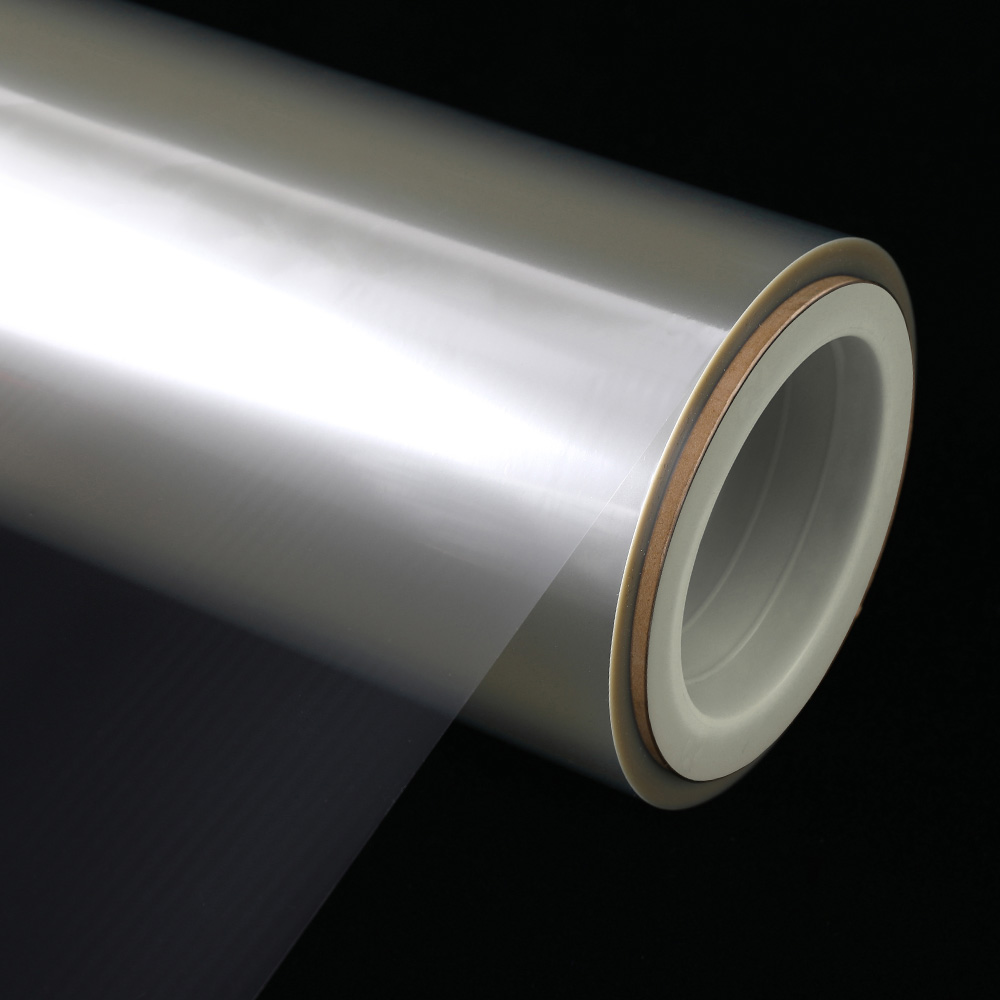
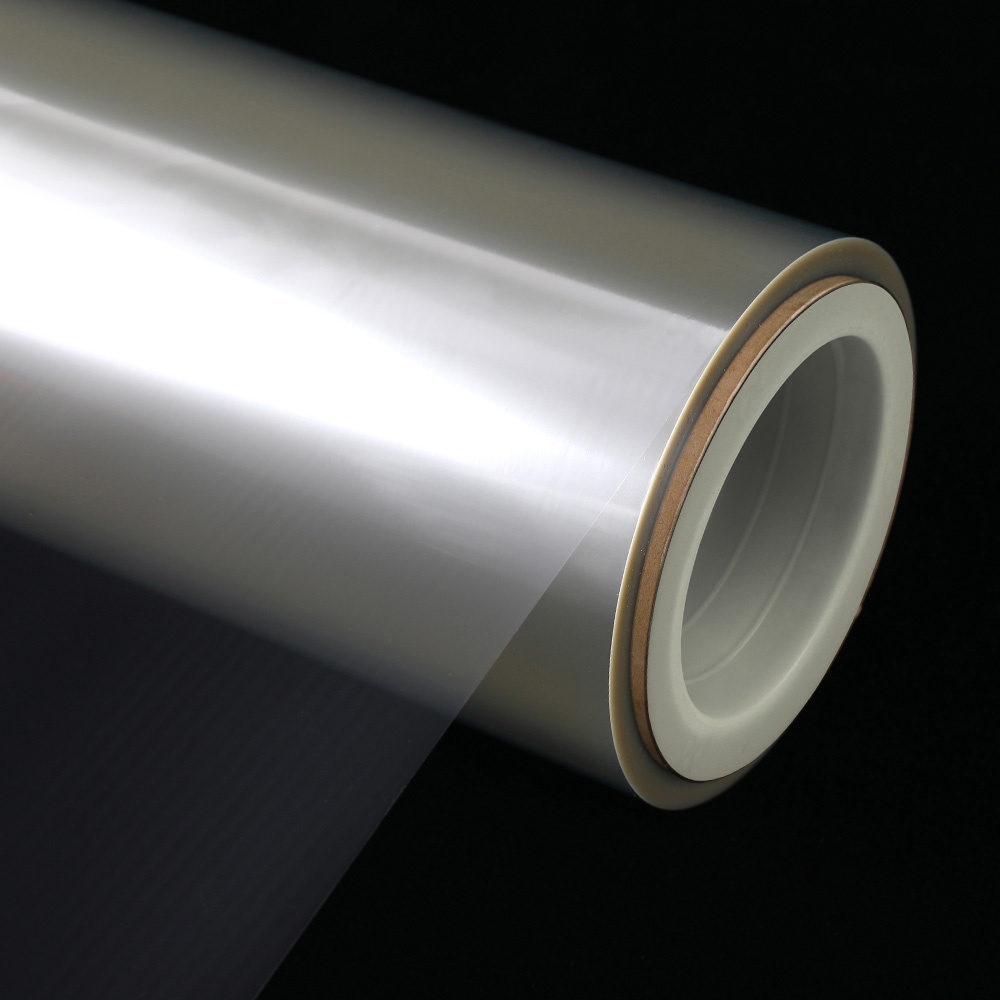
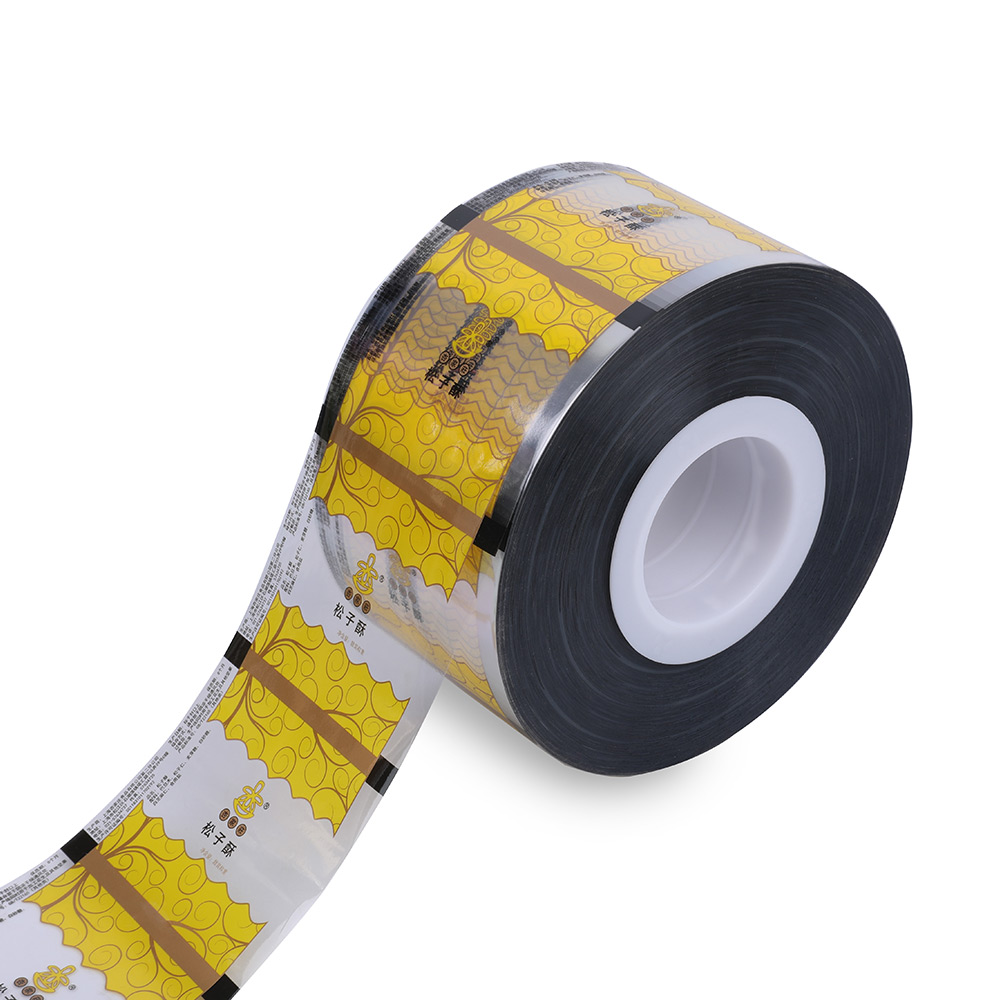 Transparent High Barrier ALOx Coated PET FilmThis transparent PET film with an ALOx coating provides high barrier against moisture, oxygen, and aroma, making it suitable for dry food packaging like biscuits and snacks. Its printable surface and eco-friendly profile offer a sustainable alternative to foil-based laminates.View Product →
Metallized Films
Metallized films are coated with a thin layer of aluminum using vacuum deposition. The aluminum layer reflects light and heat, and creates a high barrier against oxygen and moisture. High barrier metallized PET films typically reach OTR below 0.5 cm3/m2/24h and WVTR below 0.5 g/m2/24h.
These films are widely used in snack food packaging, biscuit and cookie wrappers, coffee pouches, and pharmaceutical blister backings. The metallic appearance is a familiar, premium visual for many consumer brands. The trade-off is that the film is opaque, so it cannot be used where clear packaging is needed. For lamination structures, the metallized film is usually combined with a sealant layer such as LDPE, CPP, or PE. The high barrier metallized PET film is an example of a base film that delivers exceptional barrier while retaining a printable, lamination-friendly surface.
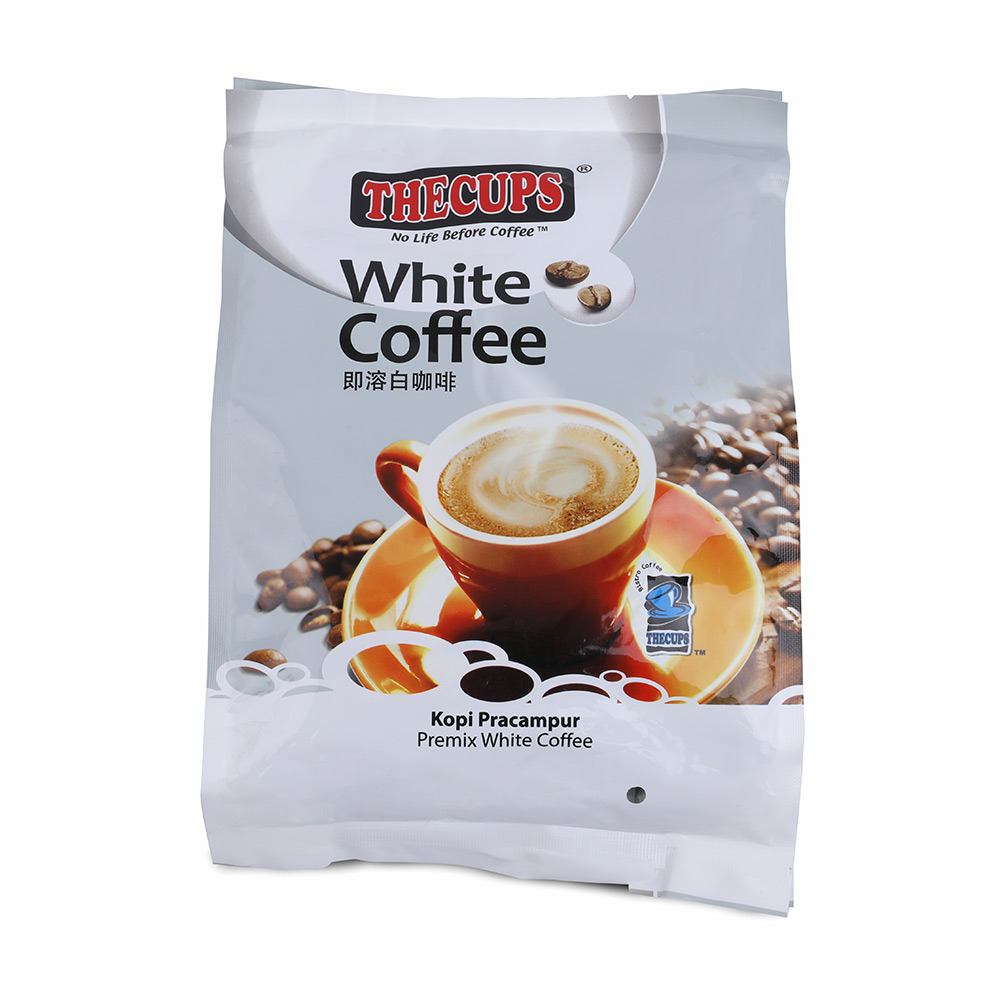 High Barrier Metallized PET Film for LaminationThis metallized PET film features superior oxygen and moisture barrier, ideal for replacing aluminum foil in snack and pharmaceutical packaging. Its glossy appearance and strong adhesion make it suitable for extrusion and adhesive lamination.View Product →
PVDC-Coated Films
PVDC coating provides a barrier layer with high oxygen and moisture resistance. It is often applied to BOPP, PET, or BOPA films. PVDC-coated BOPA is particularly common in retort and boiled packaging, where the package is filled with food and then subjected to high temperature heat processing. The film has good puncture resistance, heat resistance, and aroma retention.
For products like meat, fish, eggs, and prepared meals that need retort conditions, PVDC-coated BOPA is a recognized industrial choice. The coating also improves the film's ability to protect against oil absorption and aroma loss.
How to Choose the Right High Barrier Structure
When you are sourcing high barrier packaging, use this decision path to avoid specifying the wrong film:
- Define the shelf-life target. How long must the product remain within quality specification under real distribution conditions? This drives the maximum acceptable OTR and WVTR.
- Identify the dominant failure mode. Is the product losing aroma, absorbing moisture, being oxidized, or suffering light damage? Each failure mode points to a different barrier priority.
- Match the film to the process. Confirm that the barrier film can be printed, laminated, and sealed on your existing equipment. Check the surface tension of the film before lamination, and consider chemical treatment or double-sided corona treatment if adhesion is a risk.
- Confirm compliance. For food and pharmaceutical packaging, check that the film meets FDA or EU food contact regulations. Request test reports from the supplier rather than relying only on material claims.
- Evaluate total cost. A higher barrier film increases material cost per square meter but can reduce waste, returns, and per-unit costs when spoilage is factored in. Calculate the full cost of ownership before switching.
If you are selecting packaging for a new food product, this transparent high barrier film guide provides additional context on how oxide-coated films fit into a performance and sustainability strategy. When you need a heat-sealable barrier layer to finish the structure, the high barrier metallized CPP film can combine metallization with low-temperature heat seal stability.
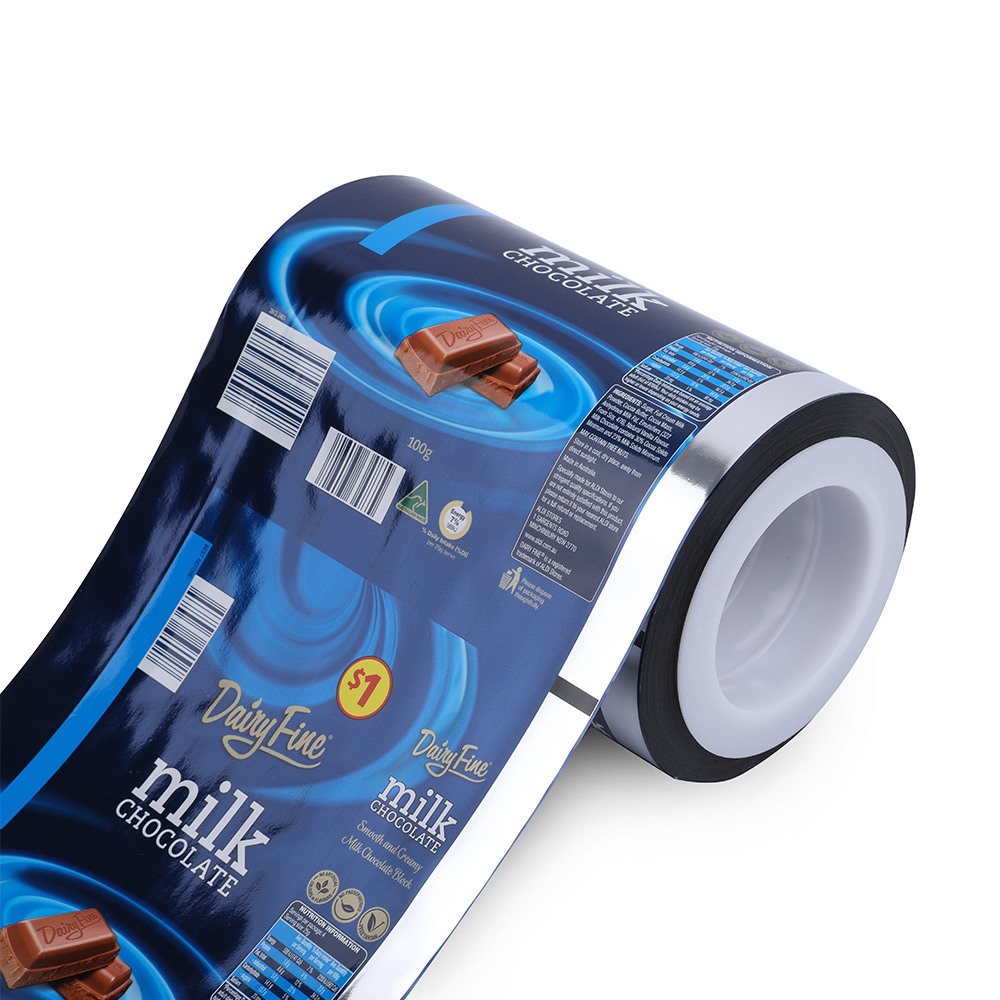 Heat-Sealable High Barrier Metallized CPP FilmThis metallized CPP film offers high barrier properties and a low-temperature heat-seal layer, suitable for two-layer food and medicine packaging structures. It combines metallic appearance with good stiffness and seal strength.View Product →
Frequently Asked Questions About High Barrier Packaging
Q1: What is the purpose of high barrier packaging?
The primary purpose is to protect the product from oxygen, moisture, light, and aroma transfer. High barrier packaging extends the shelf life by preventing the environmental factors that cause oxidation, textural changes, flavor loss, and microbial spoilage.
Q2: How do high barrier films prolong shelf life?
By reducing the rate at which gases and moisture cross the package wall. Lower OTR means fewer oxidation reactions. Lower WVTR means less moisture pickup or loss. Combined, these effects keep the product within its quality specification for a longer time.
Q3: Are high barrier films recyclable?
It depends on the structure. Some mono-material designs with a metallized PET layer can be recovered in dedicated streams. Multi-material laminates normally need specialized recycling. Transparent oxide-coated films are often preferred by brands targeting monomaterial recyclability, but you should verify compatibility with your local recycling partner.
Q4: What is the difference between metallized and AlOx coated films?
Metallized films have an opaque aluminum layer that gives the highest barrier in the film category. AlOx coated films are transparent while still achieving high barrier performance. The choice is governed by the need for product visibility versus the need for maximum protection.

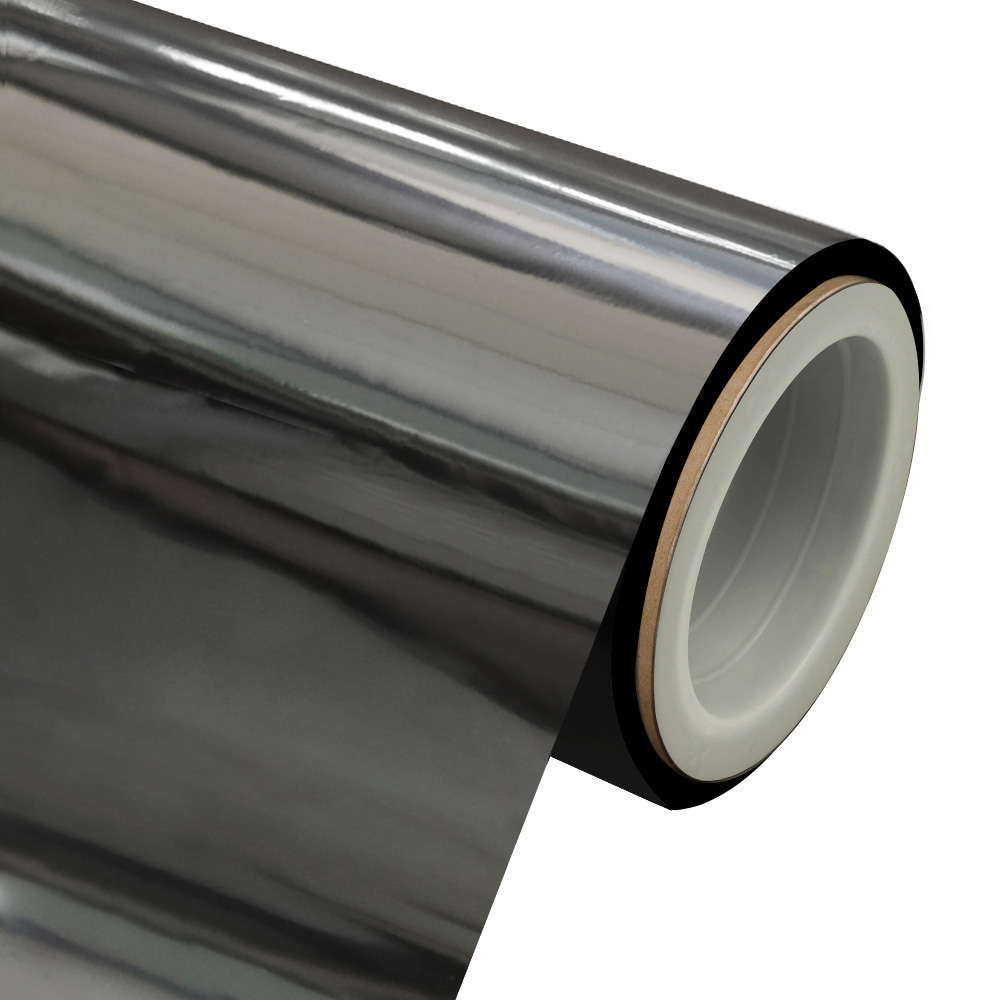
Are you ready to work with us?
Start a project
- Quick Links
- Company Profile
- Company Culture
- Qualification
- FAQ
- Product
- ALOx Films
- VMPET
- VMCPP
- VMBOPP
- Coated Film
- Contact Us
- Tel: +86-13456263964
-
Phone : +86-0573-87783633
Phone : +86-0573-87780583 - E-mail : [email protected]
- Address: 6th Xinhe Road, Xieqiao Town, Haining City, Zhejiang Province, China

