

 English
 中文简体

KPET Film Packaging Uses: When PVDC-Coated PET Justifies Its Extra Cost
 2026.11.26
 Industry News
Put two quotes for the same cooked-ham lidding pack side by side and the difference often comes down to one layer. One structure carries a KPET film, the other a plain metallized film. Both are polyester based, both run on the same laminator at the same speed, and on the reel they look nearly identical. Only one of them will hold enough oxygen out to reach the shelf life printed on the pack.
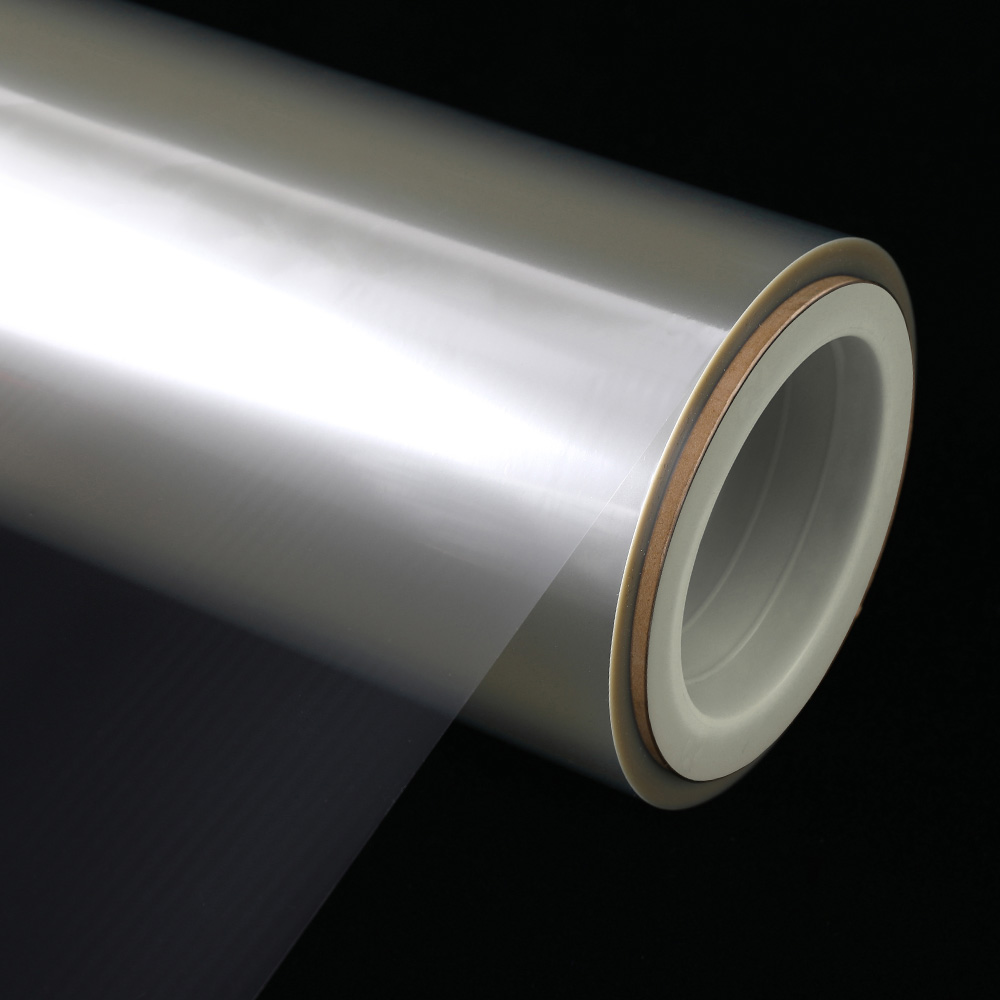
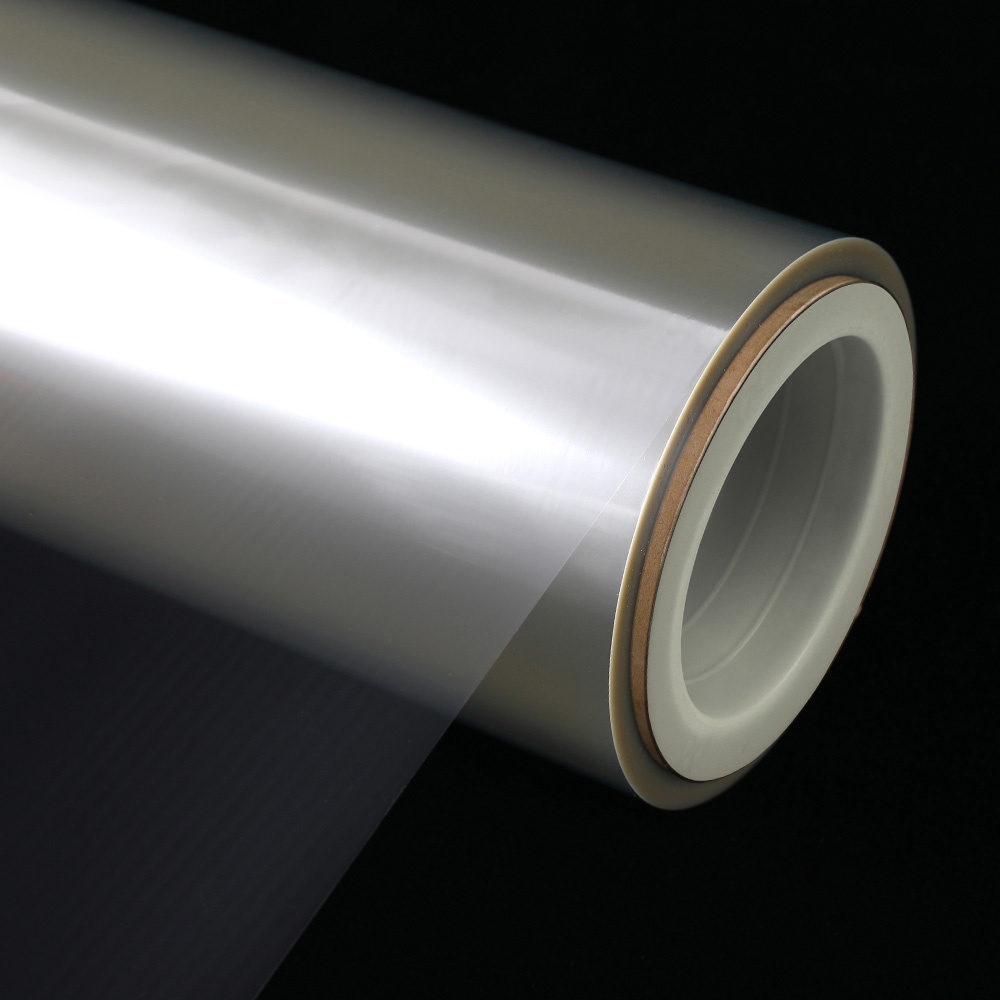
The short answer: KPET film packaging uses cluster around oxygen-sensitive, aroma-sensitive and fat-containing products, including cured meats, cheese, coffee, tea, nuts, dry mixes and sauces. KPET is a PET film coated with PVDC, and the coating is what earns the extra cost. It is not a blanket upgrade over metallized PET or foil, and specifying it by name alone is a common and expensive mistake.
Choose KPET when three conditions line up: the product loses quality to oxygen or moisture, the pack must stay transparent or brightly printed, and the barrier is needed at a cost below foil laminates.
What KPET Means Before You Compare Prices
KPET is structure shorthand, not a brand or a resin grade. The K comes from PVDC (polyvinylidene chloride) coating, the same convention behind KOPP for coated BOPP and KNY for coated BOPA. The base film is usually 12 µm PET, rising to 16 µm or 19 µm when a converter needs extra stiffness or deeper thermoforming. Coating weight normally sits between 1.0 and 3.0 g/m² per coated side.
That is why two quotations labelled KPET can differ by a third and both be honest. Before price, confirm three numbers: base film thickness, coating weight, and whether one side or both sides are coated. A single-side film is the lamination workhorse, with the coated face buried inside the structure. A double-side film is chosen when barrier is needed from both faces, or when a symmetrical build helps control curl on thin gauges.
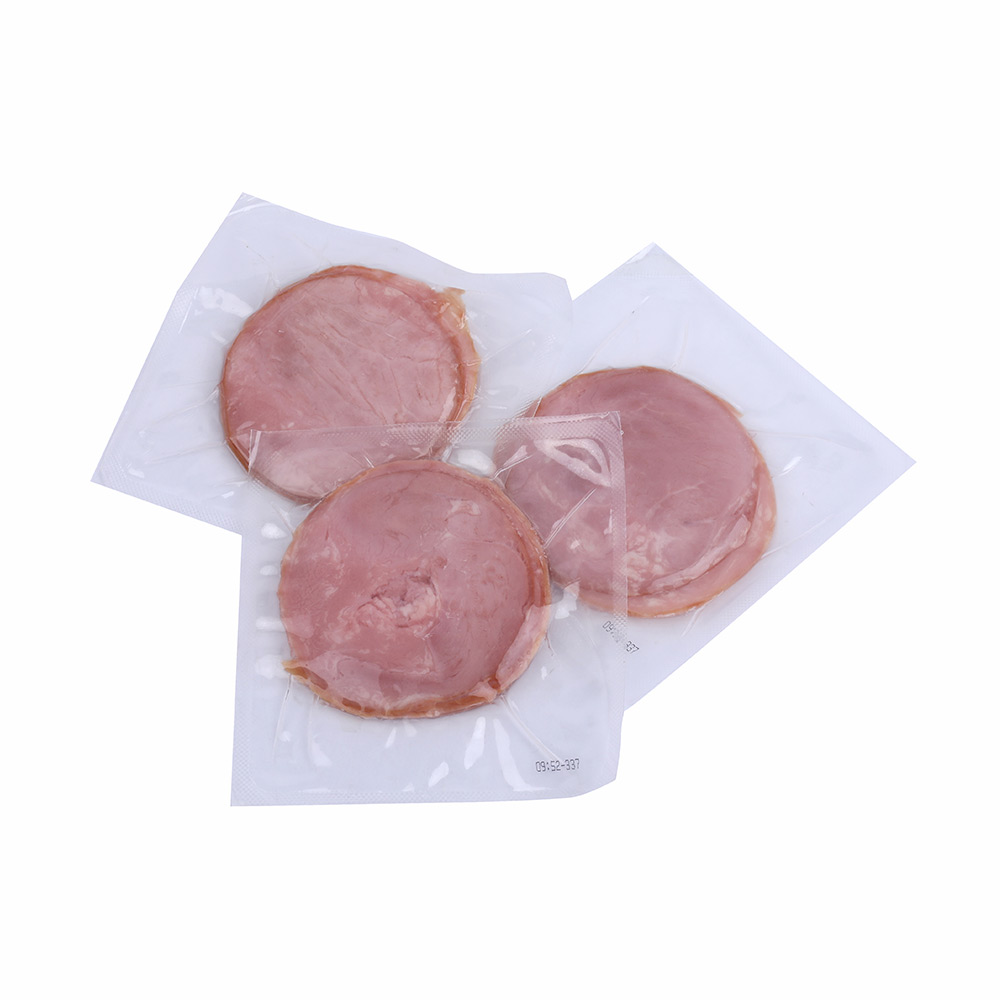 KET-S12/14 Single-Side PVDC-Coated PET Barrier FilmSingle-side PVDC-coated BOPET for lamination with the coated face inward, providing gas, moisture, aroma, and grease barrier in 12 μm or 14 μm.View Product →
The coated face also changes the converting plan. PVDC is softer and more heat sensitive than the polyester underneath it, so the plain face normally carries the print while the coated face is laminated inward. Web tension, drying temperatures and adhesive selection should be written around the coated side rather than treated as an afterthought.
The Four Jobs KPET Does Inside a Packaging Structure
Strip away the marketing and KPET is hired for four measurable jobs. If a product does not need at least two of them, a cheaper film will usually do.
| Function | What it prevents | How it is verified |
|---|---|---|
| Oxygen barrier | Rancidity in nuts and cured meat, browning in dried fruit, stale flavour in roasted coffee | OTR in cc/m²/day at 23 °C at a stated relative humidity |
| Moisture barrier | Caking in dry mixes, softening of biscuits, mould driven by condensation | WVTR in g/m²/day at 38 °C and 90% RH |
| Aroma retention | Loss of volatile flavour compounds and pick-up of outside odours | Sensory panel plus gas chromatography after storage |
| Fat and chemical resistance | Oil migration into the seal layer and attack from sauces, spices and solvents | Migration and soak tests on the finished pack |
Published barrier figures vary widely because they depend on coating weight, base thickness and test humidity. For a 12 µm PET with a 2–3 g/m² coating, suppliers typically quote oxygen transmission in the low single digits up to roughly 10 cc/m²/day and water vapour transmission in a similar band. Treat any number that arrives without temperature and humidity conditions as a sales figure, not a specification.
Where KPET Film Shows Up in Real Packaging
The applications below dominate specification meetings, and the pattern is consistent: a product damaged by oxygen, moisture or both, packed in a structure that also has to look good on the shelf.
| Product | Typical structure | Why the coating is there |
|---|---|---|
| Sliced ham, cooked and cured meats | KPET / PE or KPET / BOPA / PE | Oxygen and fat barrier, plus stiffness for high-speed lines |
| Hard and processed cheese | KPET / PE | Slows oxidation and moisture loss through block or slice |
| Coffee, tea, dry mixes | KPET / PE, sometimes with a degassing valve | Aroma retention is the entire function of the pack |
| Nuts, snacks, biscuits | Reverse-printed KPET / PE | Slows oxidation of the fats that turn snacks stale |
| Sauces, pastes, oily condiments | KPET as the barrier layer in a laminate | Resists fat and acid attack that breaks down plain film |
| Boiled and retort products | PVDC-coated BOPA instead of KPET | The PET base is not designed for boiling or retort conditions |
Temperature is the boundary that catches people out. A coated PET film handles pasteurisation and typical hot fill comfortably, but once a pack goes into boiling water or a retort cycle the base film becomes the limiting layer. For boiled food, converters move the PVDC coating onto a BOPA base, for example boiled-grade PVDC-coated BOPA film, which keeps the barrier and adds the heat and puncture resistance the process demands.
KPET vs Metallized PET vs ALOx PET: Choose on Data
Three barrier options compete for the same slot. The right answer depends on which barrier matters more, whether the pack is see-through, and what the packing line can detect.
| Property | KPET | Metallized PET | ALOx-coated PET |
|---|---|---|---|
| Barrier mechanism | PVDC coating | Vacuum-deposited aluminium | Vacuum-deposited aluminium oxide |
| Oxygen barrier | High | Moderate unless a high-barrier grade is used | High |
| Moisture barrier | High | High | Moderate and humidity dependent |
| Appearance | Transparent | Opaque metallic | Transparent |
| Microwave behaviour | No metal, so no arcing from the film | Reflects microwaves; avoided for direct heating | No metal, so no arcing from the film |
| Metal detection | No interference | Can interfere with metal detection and X-ray | No interference |
| Relative cost | Mid | Low | High |
Cost is usually the first argument and the worst one: a metallized film looks cheaper per kilogram until an early shelf-life failure is priced in. The second argument is regulatory perception. PVDC contains chlorine, and some brand owners have asked suppliers to move away from halogen-containing coatings even where the material is fully compliant. That pressure is one reason transparent oxide coatings are positioned as a replacement for KPET in packs that must stay see-through.
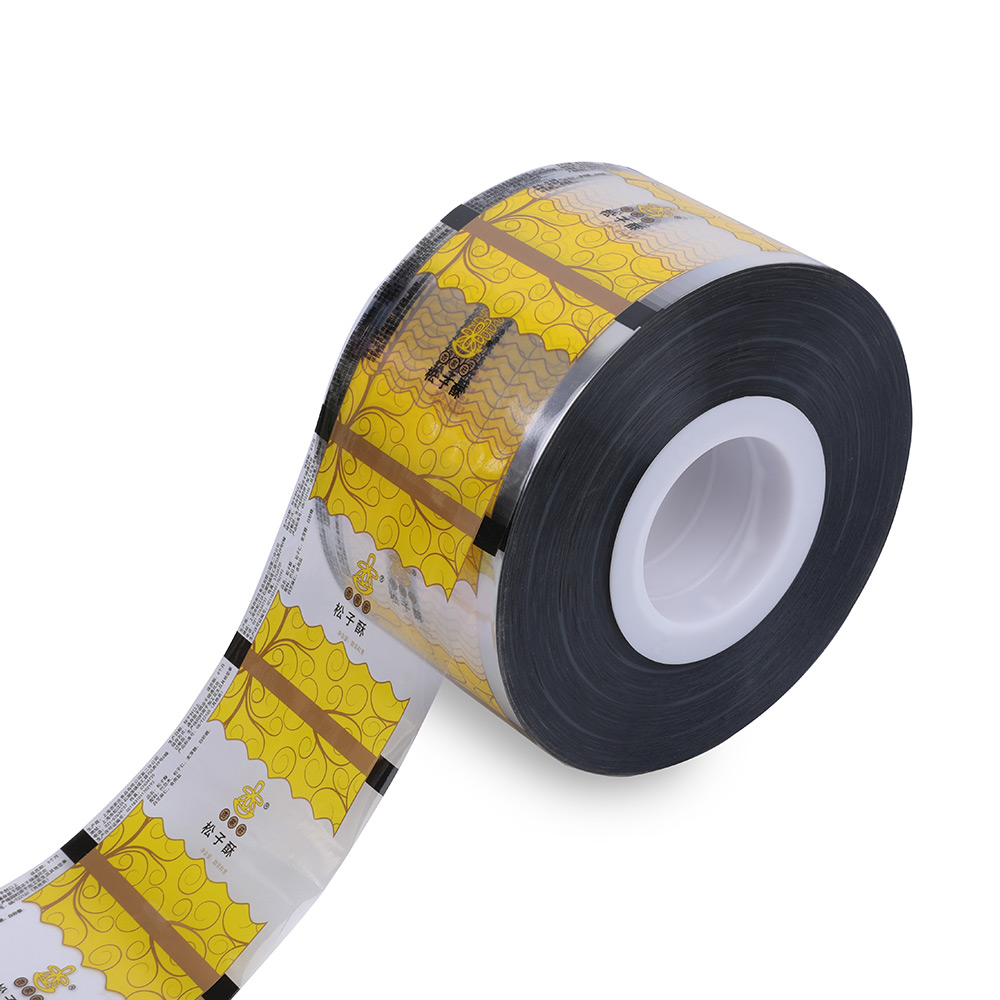 ALOx-P122-B Transparent High-Barrier Oxide-Coated PET FilmTransparent ALOx-coated BOPET for see-through food and electronics packaging, positioned as a KPET alternative with tested barrier data; not boilable.View Product →
If the pack does not need transparency and is not microwaved, metallized PET remains the cheapest barrier that works. If transparency is part of the brand, compare coated PET and oxide-coated PET on tested data rather than catalogue ranges.
Specifying KPET: The Numbers That Decide Success
Most KPET failures are specification failures rather than material failures. Six lines on a purchase order prevent nearly all of them.
- Coating weight and coated side. 1.5–2.5 g/m² on a single side is the usual middle ground for lamination. Below 1 g/m² the barrier falls away quickly; above 3 g/m² you pay for performance the pack never uses.
- Base thickness and slip. 12 µm is standard, 16 µm or 19 µm when stiffness or formability matters. State the friction range your packing line tolerates.
- Surface treatment. Both faces need a defined dyne level, checked on the delivered roll rather than on an enquiry sample.
- Barrier target with test conditions. Write OTR and WVTR into the specification together with temperature and humidity. A target without conditions cannot be verified by either party.
- Food contact documentation. Request migration test data, the declaration for the destination market, and the quality management certificate behind the batch records.
- Roll format. Width, core diameter, winding direction and maximum splices per roll.
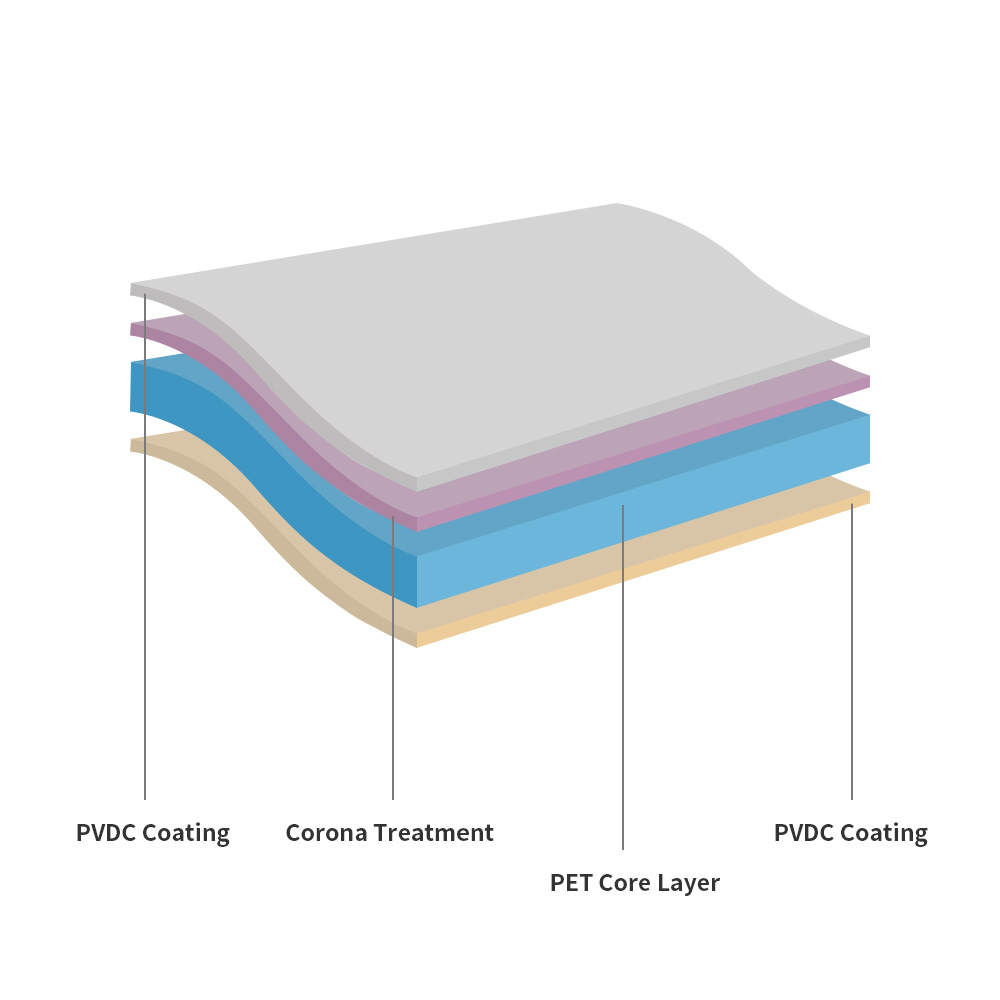 KET-D16 Double-Side PVDC-Coated PET Barrier FilmDouble-side PVDC-coated 16 μm BOPET for symmetrical barrier protection, helping avoid lamination orientation errors when both faces need moisture, gas, aroma, and grease resistance.View Product →
Where both faces of the film meet the product or the environment, a double-side coating removes the risk of a lamination error placing the uncoated face in the wrong position.
Common Problems and How to Avoid Them
The complaints that reach suppliers are repetitive, and each one has a converting answer.
- Curl and blocking. A single-side coating absorbs and releases moisture differently from the base film, so thin gauges can curl in changing humidity. Store rolls in a controlled area and confirm winding tension on arrival.
- Scratches and haze. The coating is softer than polyester, so worn rollers and excessive tension show up as fine scratches that become barrier leaks after lamination.
- Weak lamination bonds. The coated face needs an adhesive system matched to a PVDC surface. Run bond strength and boil checks during the trial, not after the first production batch.
- Sealing surprises. The coating does not seal by itself. Heat seal performance comes from the PE or CPP layer, and the sealing window should be set from that layer's curve.
- Over-claimed shelf life. Barrier film reduces the rate of change; it does not remove the oxygen already in the headspace or in the product. Map headspace, residual oxygen and moisture load before promising a date code.
Frequently Asked Questions
Q1: What is KPET film used for?
It is used as the barrier layer in flexible packs for oxygen-sensitive and aroma-sensitive products: cured and cooked meats, cheese, coffee and tea, nuts, snacks, dry mixes and oily sauces, plus pharmaceutical and industrial sachets where transparency and a clean print surface matter.
Q2: Is KPET the same as metallized PET?
No. Both start with a PET base film, but KPET carries a PVDC coating and stays transparent, while metallized PET carries a vacuum-deposited aluminium layer and looks silver. Their barrier profiles, appearance and microwave behaviour differ.
Q3: Can a KPET pack go in a microwave?
The film contains no metal, so it does not arc the way a foil laminate can. Whether the finished pack is microwavable depends on the sealing layer, the print and the cooking instructions, so confirm the complete structure rather than the barrier film alone.
Q4: Is KPET suitable for retort or boiling?
Not for 121 °C retort cycles, where the PET base becomes the limiting layer. Boiling and retort applications are normally built on PVDC-coated BOPA, which keeps the barrier and adds the heat and puncture resistance the process requires.
Q5: How much coating weight do I need?
For most lamination structures, 1.5–2.5 g/m² per coated side is enough. Extra coating weight adds cost faster than it adds measurable barrier, so decide using your own OTR and WVTR data at the intended storage conditions.
KPET film earns its place when a product is damaged by oxygen, moisture or aroma loss and the pack still has to look transparent and print well. Confirm base thickness, coating weight and coated side before comparing prices, write barrier targets with test conditions attached, and check the temperature limit of the whole structure before the first production run. Do those three things and the film stops being a line item and becomes a shelf-life decision.

Are you ready to work with us?
Start a project
- Quick Links
- Company Profile
- Company Culture
- Qualification
- FAQ
- Product
- ALOx Films
- VMPET
- VMCPP
- VMBOPP
- Coated Film
- Contact Us
- Tel: +86-13456263964
-
Phone : +86-0573-87783633
Phone : +86-0573-87780583 - E-mail : [email protected]
- Address: 6th Xinhe Road, Xieqiao Town, Haining City, Zhejiang Province, China

