

 English
  中文简体
中文简体 
Pharmaceutical Packaging Trends: Barrier Films, Smart Safety and Sustainability
 2026.09.03
 Industry News
In a pharmaceutical packaging engineer's office, the most frustrating problems often come not from the formulation itself, but from finding a material that balances moisture and oxygen barrier performance with regulatory compliance. Looking at the industry as a whole, three lines are advancing simultaneously: high-barrier materials, smart traceability, and sustainability. Together, they define the procurement standards for pharmaceutical packaging and directly affect the shelf life and safety of medicines.
Barrier Performance Is the New Baseline
Of all the trends shaping pharmaceutical packaging, barrier performance has the most direct impact on drug quality. Consider a common scenario: an oral solid dosage form fails its accelerated stability study because water vapor has penetrated the packaging film. If the moisture vapor transmission rate (WVTR) is higher than the design specification, drug molecules can hydrolyze, oxidize, or undergo polymorphic transition. Many manufacturers delay upgrading their packaging until a new regulatory requirement demands a longer shelf life, only to discover that their standard metallized film never had enough barrier margin.
The industry generally defines high-barrier films as those that achieve both low WVTR and low oxygen transmission rate (OTR). To reach that level, common solutions include aluminum foil, aluminum oxide coated films (ALOx), and high-barrier metallized polyester films. The right choice depends on whether the package needs to remain transparent for visual inspection.
| Film Type | WVTR (g/m²·day) | OTR (cm³/m²·day) | Appearance |
|---|---|---|---|
| ALOx PET Film | <0.5 | <0.5 | Transparent |
| High-Barrier Metallized PET | <0.5 | <0.5 | Opaque |
| PVDC Coated BOPP | 3–5 | 10–20 | Transparent |
Metallized film barrier performance also depends on aluminum layer thickness and the metallization process. Standard specifications for aluminum layer thickness in the packaging industry typically fall between 40 and 70 nanometers. If the layer is too thin, WVTR rises significantly; if too thick, flexibility and adhesion can suffer. For pharmaceutical applications, buyers should request aluminum layer thickness data, adhesion test results, and a clear optical density target.
At the procurement level, what matters most is batch-to-batch consistency. If WVTR drifts by more than 30% between batches, the packaging material will likely fail incoming inspection at the pharmaceutical plant. During supplier qualification, buyers should insist on batch data from third-party testing rather than a single internal report.
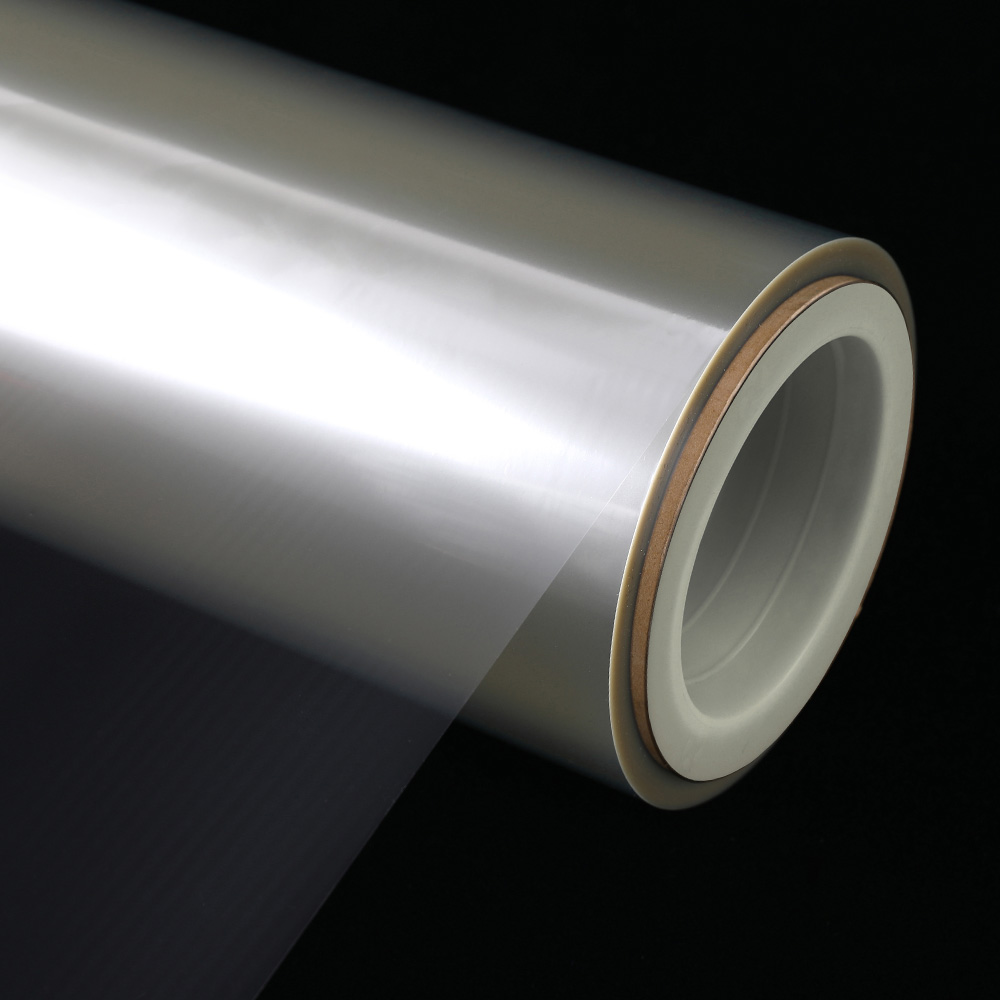
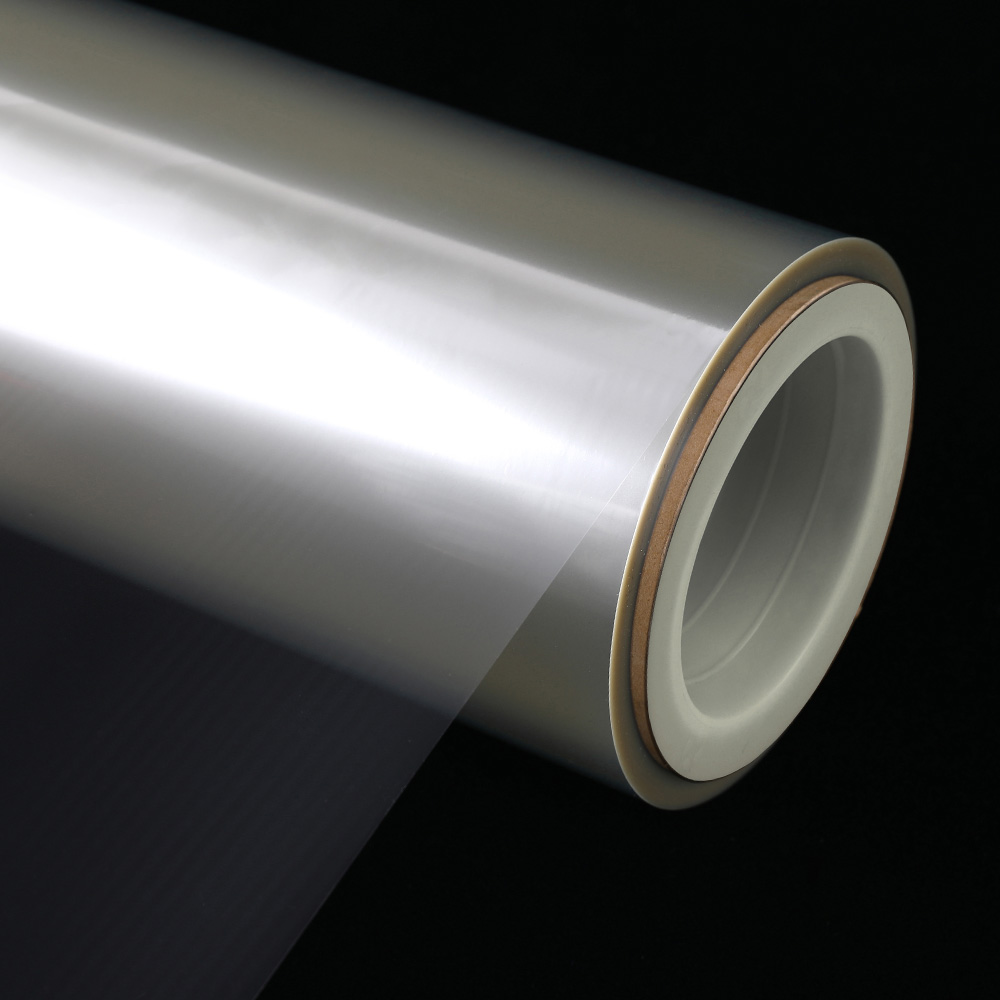
With our product portfolio, transparent ALOx PET film (ALOx-P122) and high-barrier metallized PET film (PH-P02) both offer barrier levels close to aluminum foil and can be tailored with different surface treatments for pharmaceutical packaging needs.
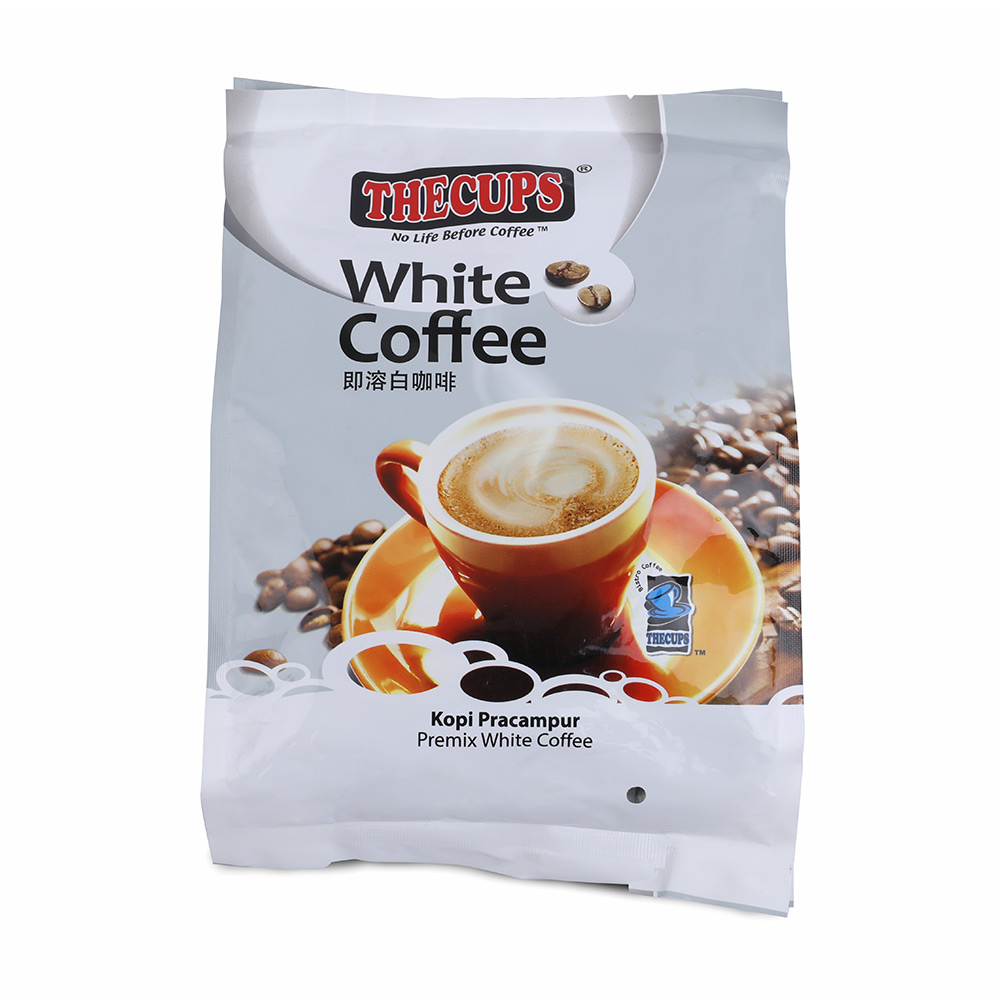 High-Barrier Metallized PET Film with Aluminum Coating for Pharma UseThis metallized PET film provides excellent water vapor and gas barrier, serving as an aluminum foil replacement in pharmaceutical packaging. Its superior gloss and stiffness, combined with strong adhesion, ensure reliable protection.View Product →
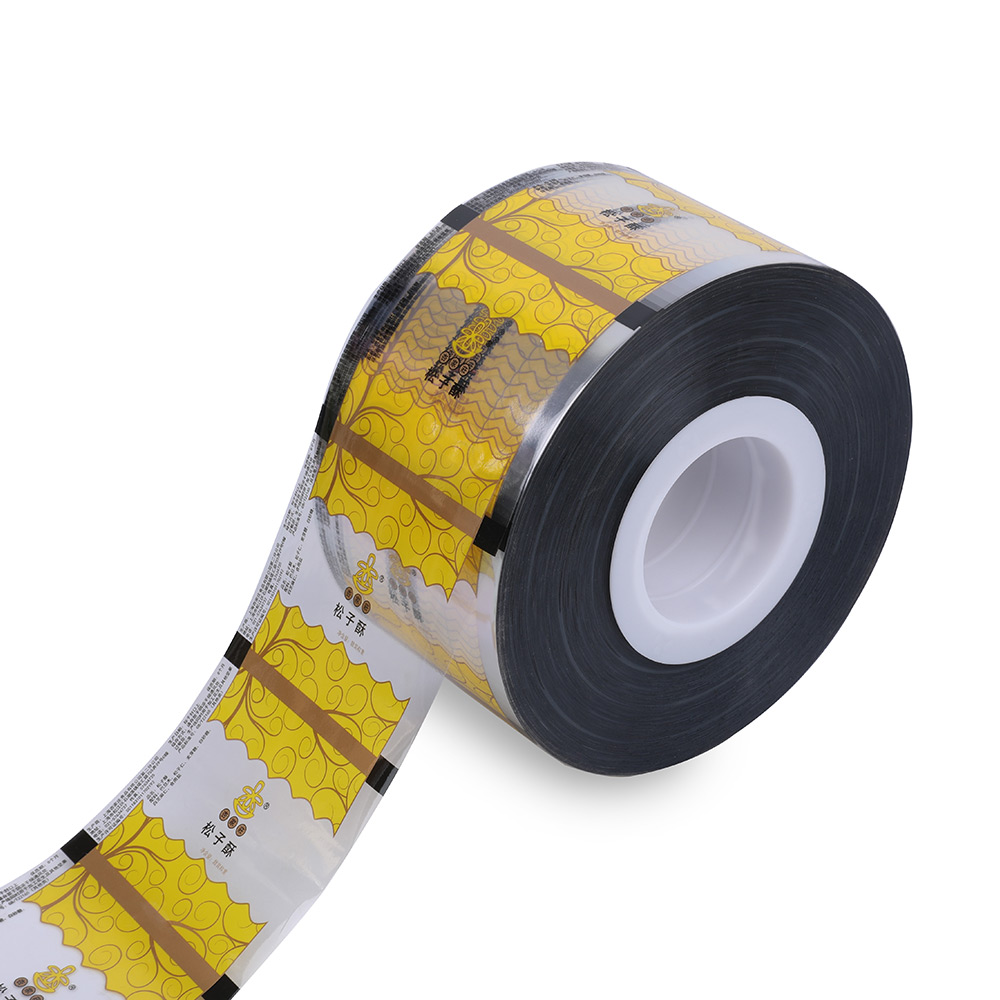 Transparent High-Barrier ALOx Coated PET Film for Pharmaceutical PackagingThis transparent ALOx-coated PET film offers barrier performance close to aluminum foil, suitable for pharmaceutical packaging where moisture and oxygen protection is critical. Its printability and sustainability make it a practical choice for dry goods.View Product →
Key takeaway: In pharmaceutical packaging, barrier performance is not a luxury — it is the primary safety mechanism that determines whether a drug remains stable through its entire labeled shelf life.
Smart Packaging and Serialization: Beyond the Label
The second trend emerges at the intersection of regulatory requirements and technology. As global pharmaceutical regulators mandate serialization, a label with a simple anti-counterfeiting QR code is no longer enough. The real challenge is ensuring that the label remains intact throughout the packaging lifecycle, that each unit can be uniquely identified, and that the film material holds stable dimensional tolerances on automated production lines.
Smart packaging also places new demands on printability and surface energy. If the film's surface tension is inconsistent, ink adhesion will vary from batch to batch, causing poor clarity in QR codes and track-and-trace marks. For this scenario, acrylic-coated films or double-side corona-treated films significantly improve surface stability.
Anti-counterfeiting features such as holograms, color-shifting inks, and security graphics also require adequate adhesion and scratch resistance on the film surface. Choosing a film with a robust functional coating, such as PVDC or acrylic, prevents transfer of the printed layer into the product and protects the integrity of the security mark.
When changing packaging materials, pharmaceutical companies need to conduct machine trial runs in advance. Automatic labeling machines and online vision inspection systems are highly sensitive to web flatness and tension variation. Our article on secondary packaging in pharmaceutical settings discusses the relationship between packaging structure and shelf life, which is worth reviewing for teams planning a material change.
Sustainability Drives Material Substitution
Sustainability is no longer just a slogan. After EU packaging regulations and pharmaceutical packaging recycling guidelines tightened, pharmaceutical companies now incorporate recyclability into their supplier screening criteria. A common strategy is replacing aluminum foil composites with high-barrier metallized CPP film. Metallized film is lighter, more easily printed, and can reduce the number of layers in a laminate, thereby improving recyclability.
But recyclability must not come at the cost of barrier performance. For pharmaceutical packaging that needs both transparency and high barrier, ALOx film offers a transparent alternative, enabling companies to balance environmental goals with functional requirements.
If the packaging structure includes a heat-seal layer, high-barrier metallized CPP film (MCP115-02-G) can serve as both barrier and sealing layer, reducing reliance on complex multilayer structures.
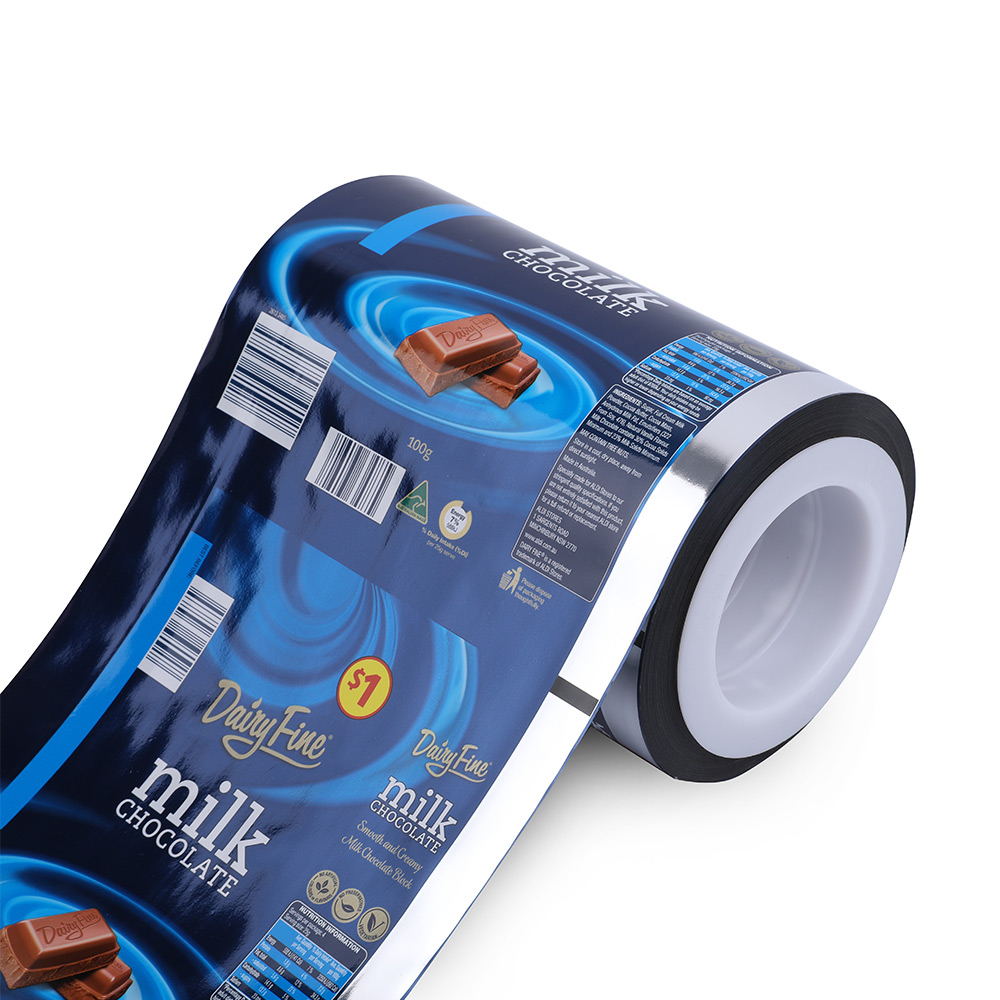 High-Barrier Metallized CPP Film with Heat-Seal Layer for Medicine PackagingThis metallized CPP film combines barrier and heat-sealing properties, allowing for simpler two-layer structures in pharmaceutical packaging. Its good aluminum adhesion and seal strength enhance package integrity and patient convenience.View Product →
Patient-Centric Packaging and Regulatory Convergence
The fourth trend is driven by patient-centric design and regulatory convergence. Unit-dose packaging, child-resistant features, easy-open designs, and clearer labeling are making packaging structures more complex. Film suppliers are now expected to deliver materials that combine high seal strength, puncture resistance, and printability in one substrate.
In blister packaging and foil-pouch applications, the heat-seal layer is the critical factor in seal integrity. Many pouch failures do not happen during transport but at the seal itself. If the sealing temperature window is too narrow, automated form-fill-seal machines will produce weak seals or burn through the film. Buyers should evaluate the sealing temperature window, peel strength, and how performance degrades after prolonged storage in high-temperature, high-humidity conditions. Accelerated aging tests on seal strength often provide more meaningful information than initial data.
What to Consider When Selecting a Film Supplier
Bringing these trends together, there are three practical criteria to evaluate when choosing a high-barrier film supplier:
- Batch-to-batch barrier consistency, not a single test report.
- Food and drug contact compliance, such as FDA and SGS test results.
- Production capacity and delivery stability, particularly for long-term contracts.
A supplier's production lines and quality system matter for long-term reliability. For example, our facility is certified to ISO 9001 by BSI, and our films have passed FDA and SGS testing. We are also participating in the development of a national standard for oxide-barrier transparent plastic composite films used in food packaging. While that standard is focused on food, its work on normalizing barrier film performance is likely to extend into the pharmaceutical packaging field.
Conclusion: Material Choice Is a Strategic Decision
To return to the opening scenario: in pharmaceutical packaging, what matters most is not chasing the latest buzzword, but selecting a film that balances barrier, printability, heat-seal integrity, and regulatory compliance.
High barrier, smart traceability, and sustainability will continue to shape pharmaceutical packaging manufacturing and procurement in the coming years. The engineering collaboration between drug manufacturers and upstream material suppliers will only become more important. If you are starting a pharmaceutical packaging project that requires high-barrier films, prioritize suppliers that can provide batch data, support custom processing, and hold third-party compliance certifications like FDA and SGS.

Are you ready to work with us?
Start a project
- Quick Links
- Company Profile
- Company Culture
- Qualification
- FAQ
- Product
- ALOx Films
- VMPET
- VMCPP
- VMBOPP
- Coated Film
- Contact Us
- Tel: +86-13456263964
-
Phone : +86-0573-87783633
Phone : +86-0573-87780583 - E-mail : [email protected]
- Address: 6th Xinhe Road, Xieqiao Town, Haining City, Zhejiang Province, China

