

 English
  中文简体
中文简体 
Flexible Packaging Coatings: A Practical Guide for Barrier Films and Lamination
 2026.09.10
 Industry News
When a packaging engineer opens a specification sheet for a flexible film, the first question is rarely about the coating itself. It is usually about what the packaged product will experience: moisture on a hot shelf, oxygen in a warehouse, or heat during a retort process. The coating is the layer that decides whether the finished package meets those demands or silently fails after months in distribution. Understanding flexible packaging coatings means understanding what each type can and cannot do before you commit to a material.
What Flexible Packaging Coatings Actually Do in a Film Structure
Coatings in flexible packaging are functional layers applied to a base film to add properties that the base polymer cannot provide on its own. They are not decorative finishes. A coating can block oxygen, resist water vapour, improve print adhesion, enable heat sealing, or meet food contact regulations. The choice of coating determines whether a film functions as a simple protective layer or as a high-barrier solution that extends shelf life.
Apart from barrier performance, coatings also influence how a film behaves during lamination and conversion. A coating with good surface energy helps inks and adhesives bond securely. A coating with controlled friction helps the film run through form-fill-seal machines without jamming. In flexible packaging, the coating is the interface between material and process. Getting it wrong may not be obvious at the stage of film delivery, but it becomes expensive later in the production line.
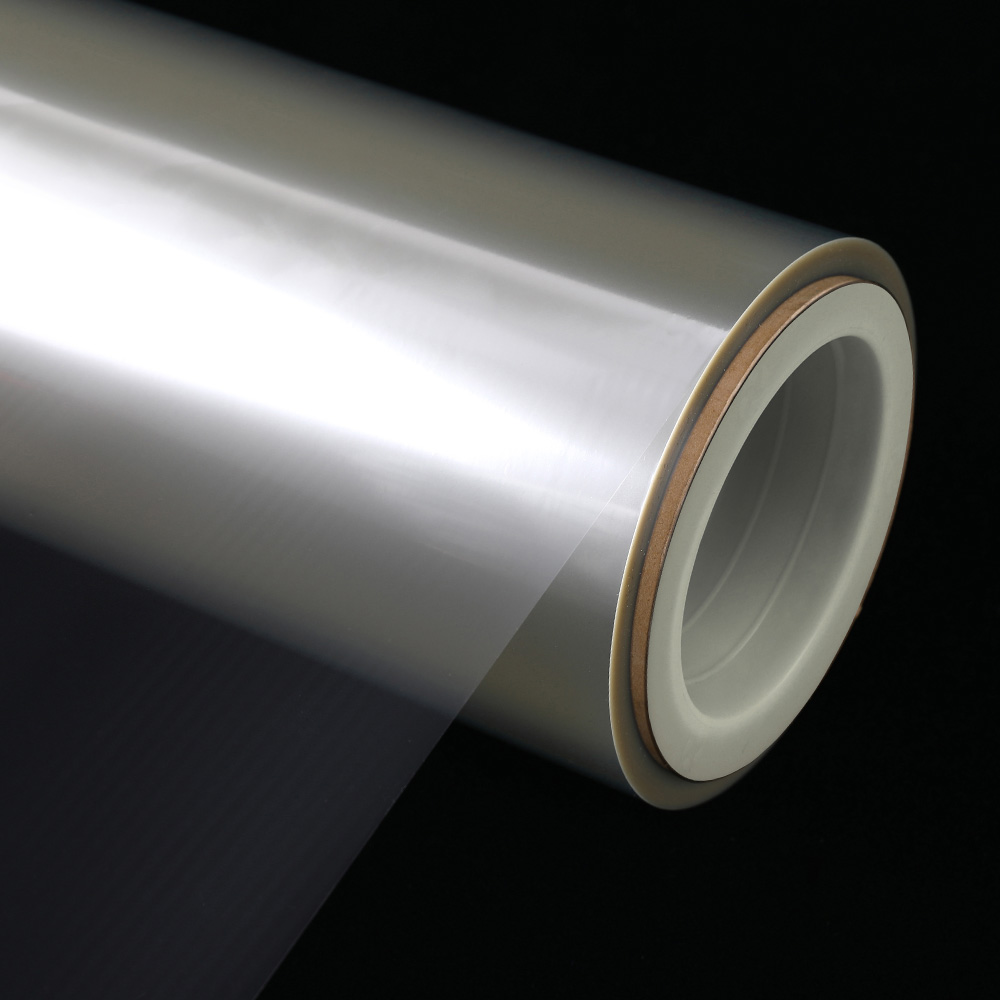
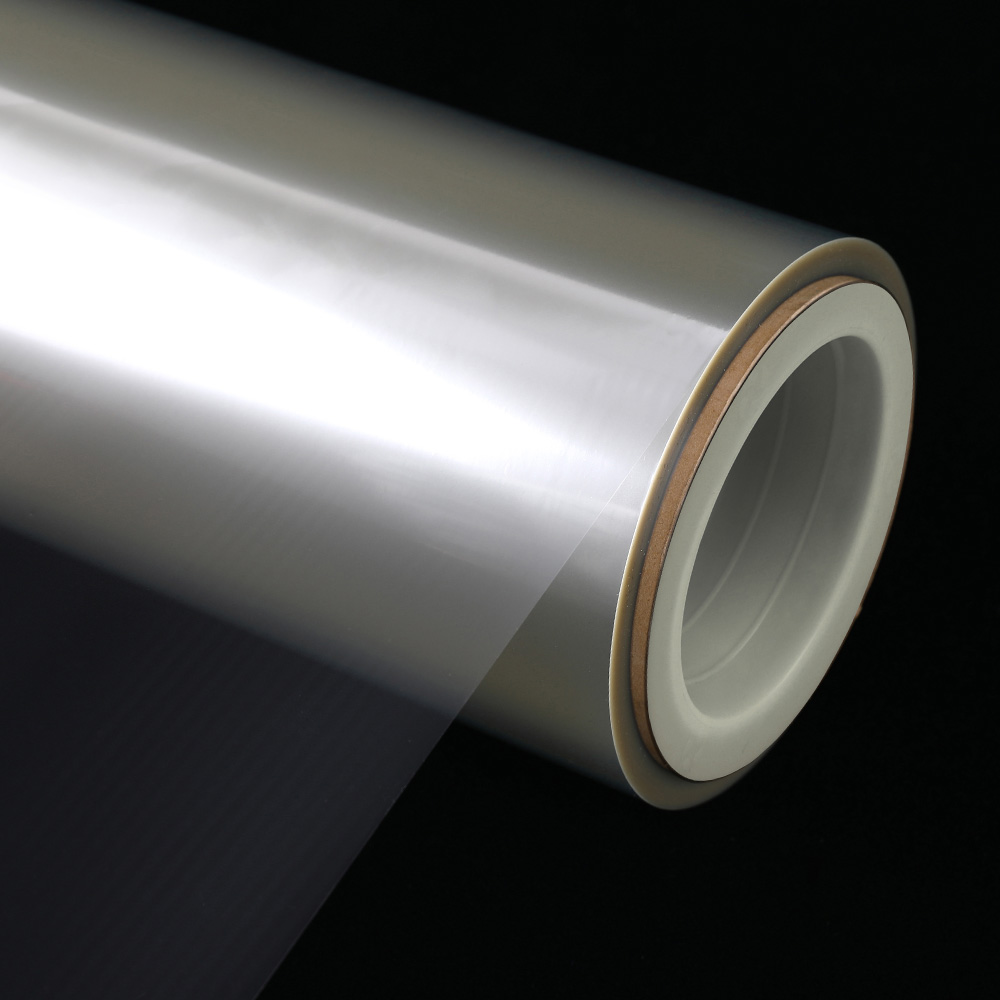
For transparent applications where the product must remain visible, an aluminium oxide coated film such as ALOx PET film provides a clear high-barrier solution. It is often specified when the buyer needs both transparency and protection that a standard metal layer cannot deliver.
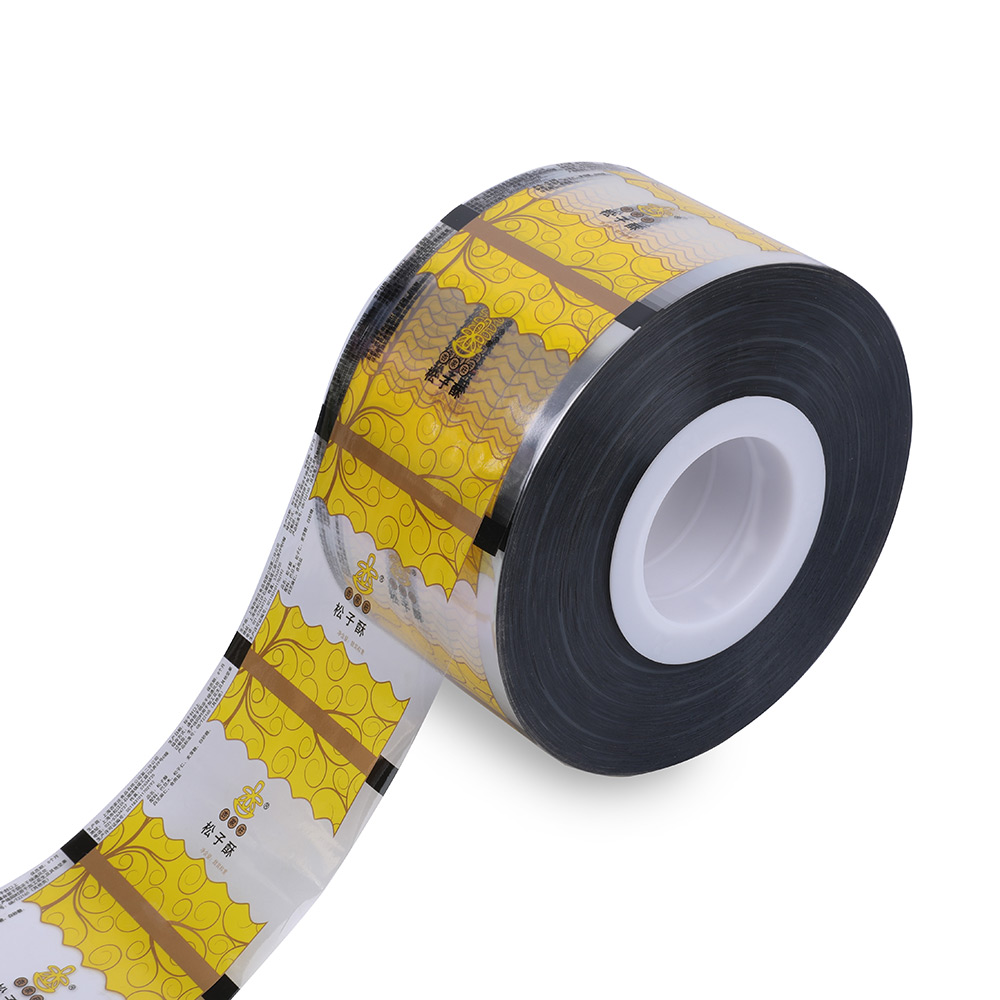 Transparent High-Barrier AlOx Coated PET Film for Clear PackagingThis transparent ALOx-coated PET film provides excellent moisture and gas barrier while maintaining visibility, making it ideal for food and electronics packaging where product transparency is required and metal layers are unsuitable.View Product →
Comparing Coating Technologies: AlOx, Metallization, and PVDC
When evaluating flexible packaging coatings, the decision usually comes down to how much barrier performance is required and whether the package needs to remain transparent. The three most common options are ceramic oxide coatings, vacuum metallization, and polymer-based coatings such as PVDC. Each has a distinct performance profile and cost position.
Vacuum metallized films offer excellent oxygen and water vapour barrier at a lower cost, but the aluminium layer is opaque and susceptible to cracking during lamination. AlOx coatings provide a transparent barrier with good oxygen protection, which is useful for premium products where visual appeal matters. PVDC coatings are applied by solution coating and deliver a solid barrier with good oil and aroma resistance, making them a reliable choice for food packaging that requires chemical resistance.
| Coating Type | Oxygen Barrier | Moisture Barrier | Transparency | Typical Use |
|---|---|---|---|---|
| Metallization | Excellent | Excellent | Opaque | Snack and confectionery |
| AlOx coating | High | High | Transparent | Premium food and coffee |
| PVDC coating | Very good | Good | Transparent | Boil-in-bag and high-aroma packaging |
| PVA coating | Good | Limited | Transparent | Water-soluble and washable lamination |
| Acrylic coating | Low | Moderate | Transparent | Printability and surface protection |
The relationship between vacuum metallized PET and AlOx coated films is particularly important to understand. Both are often used in the same product category, but the choice affects the entire packaging structure. For more detail on how they compare in real applications, see what makes VMPET and AlOx coated films the preferred high-barrier solution for flexible packaging.
How to Match a Coating to Your Base Film Substrate
Flexible packaging coatings are applied to a range of plastic films, and the interaction between coating and substrate is a critical factor. PET, BOPP, CPP, and BOPA films have different surface chemistries, thermal properties, and mechanical behaviours. The same PVDC coating may perform differently on PET versus BOPP, especially under heat sealing or boiling conditions.
For example, PVDC coated BOPA is often selected for retort and boil-in-bag applications because the base film provides excellent puncture resistance and the coating adds the necessary barrier for cooked food. PVDC coated BOPP, by contrast, is more common in dry food and confectionery packaging where the product does not require high heat exposure.
Metallized PET films are a versatile starting point. A high-barrier metallized PET film, such as high-barrier metallized PET film, works well in multi-layer structures where a good balance of barrier strength and mechanical handling is required. The key is to verify that the metallized layer can survive the lamination process without transfer or delamination.
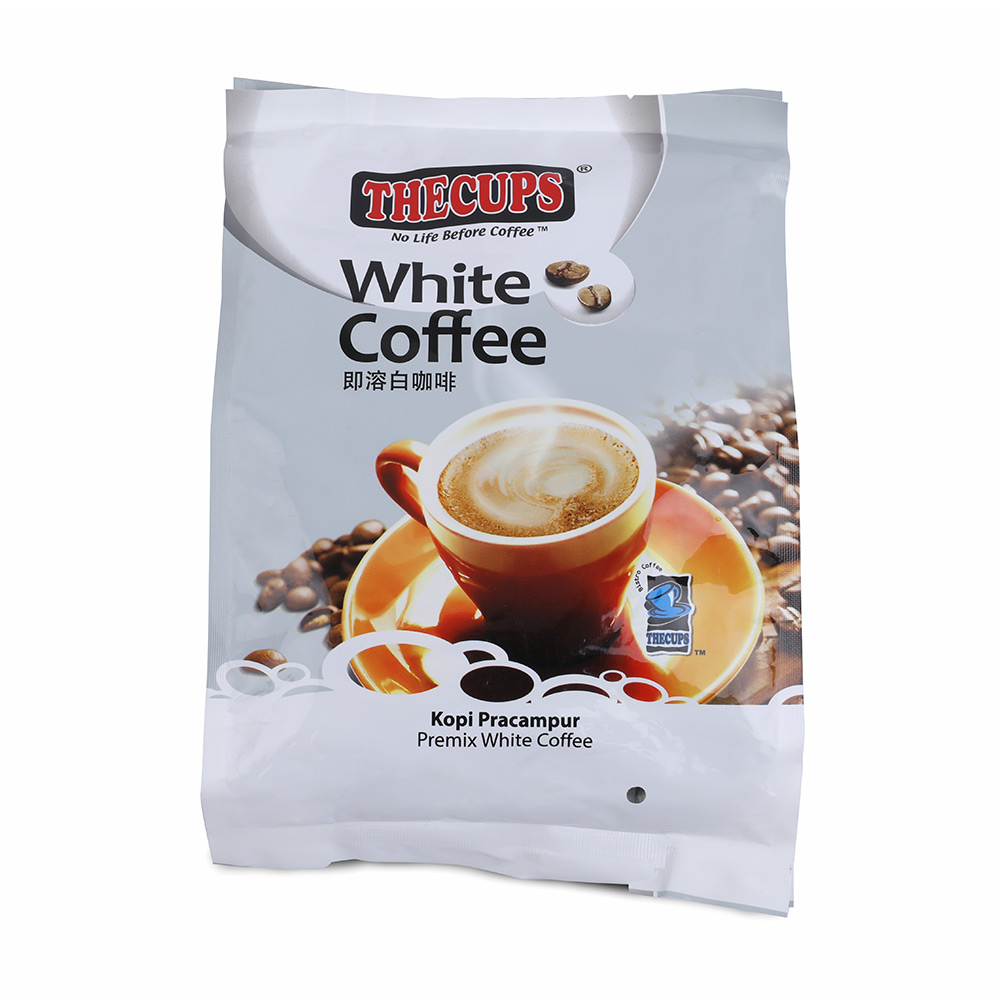 High-Barrier Metallized PET Film for Flexible PackagingThis metallized PET film offers strong barrier performance and good mechanical handling, suitable for multi-layer structures in food, pharmaceutical, and industrial applications where lamination durability is essential.View Product →
Substrate and Coating Compatibility Guidelines
When choosing a coating, the following characteristics of the base film matter:
- Surface energy: Coatings need a surface that promotes wetting and adhesion. Polypropylene films often require corona treatment or a primer before coating.
- Heat resistance: Films used in sealing or retort applications must tolerate the processing temperature without shrinking or curling.
- Mechanical strength: For packaging heavy or sharp items, puncture resistance becomes as important as barrier performance.
- Optical requirements: Transparent coatings preserve product visibility, whereas metallized layers are inherently reflective and opaque.
Selecting Coated Films for Specific Packaging Applications
Different packaged goods create different demands on flexible packaging coatings. A cookie wrapper and a pouch of cooked meat require completely different material structures. The following scenarios illustrate how the correct coating choice is driven by application requirements.
Dry food and snack packaging
Snacks usually need a good moisture barrier and moderate oxygen protection. Metallized CPP and metallized PET films are commonly used because they are cost-effective and provide sufficient protection for the shelf life of many dry products. Low friction is a useful property on high-speed packaging lines.
High-aroma and high-fat food
Products such as cheese, spices, and roasted coffee need a barrier that protects against aroma loss and flavour contamination to the package. PVDC-coated films are especially effective here because the coating has strong resistance to oils and preserves the product aroma.
Cooked, chilled, or retort meals
Retort pouches require a film that can survive temperatures up to 121°C or higher. PVDC coated BOPA film, such as boiled PVDC coated BOPA film, is designed for this use case. It combines the puncture resistance of nylon with a PVDC layer that maintains its barrier after heat processing.
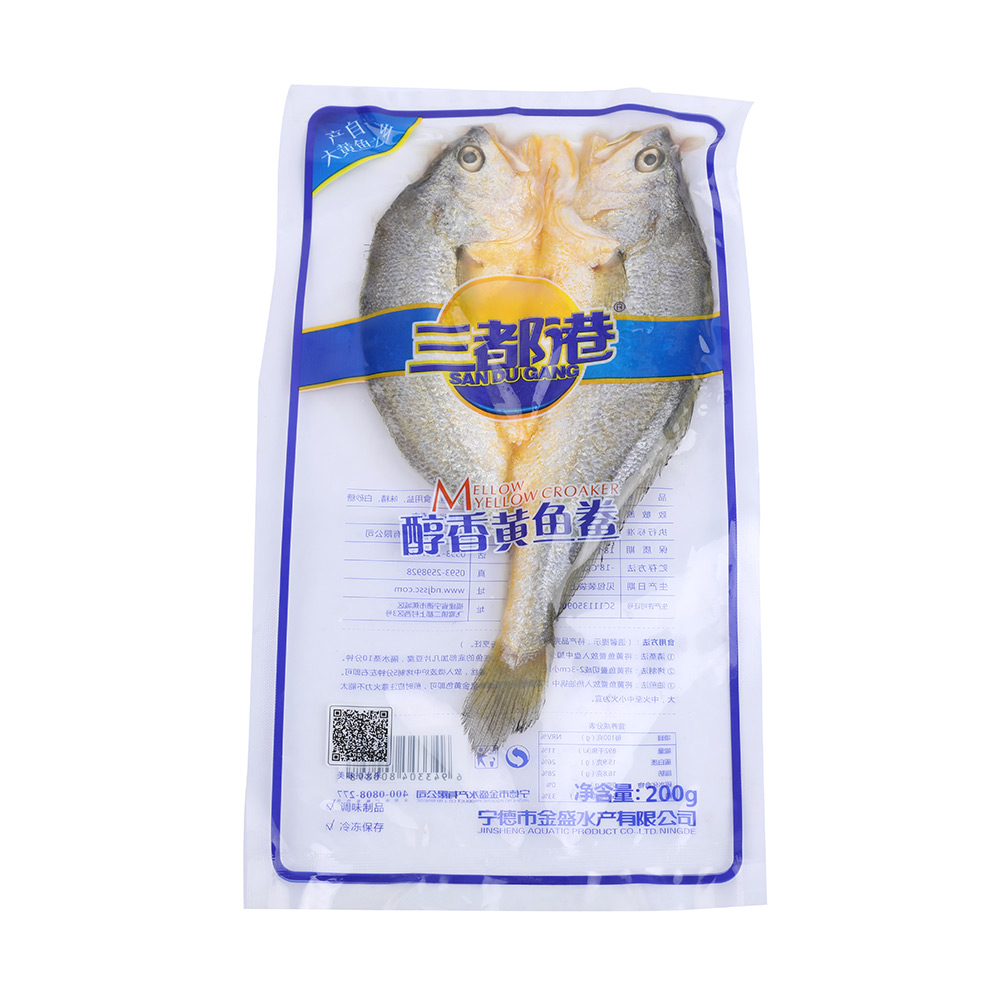 Boilable PVDC-Coated BOPA Film for Retort and Cooked Food PackagingThis PVDC-coated nylon film withstands boiling temperatures, providing high gas and moisture barriers, making it suitable for packaging meat, vegetables, and other cooked products that need heat processing.View Product →
Transparent premium packaging
When the brand owner wants the consumer to see the product inside, transparent high-barrier films offer the look of glass without the weight. AlOx films are the most common solution, and they are increasingly used in coffee, tea, nuts, and premium confectionery.
Evaluating Coating Quality and Supplier Capability
Quality assurance in coated films is not limited to measuring barrier values on a sample. In production, consistency matters. A coating that varies in thickness from one batch to another can cause unexpected problems in conversion, such as uneven sealing or poor print adhesion. When buying coated films, consider the supplier's production equipment, process control, and track record with similar applications.
It is also useful to ask how the film behaves after lamination and how the coating survives the conversion process. Some coatings, especially metallized layers, can crack or transfer if the structure is handled aggressively. Checking the film's adhesion and flexibility before signing off on a bulk order can save a significant amount of waste later.
Regulatory compliance is also part of the evaluation. Food contact films must meet the relevant standards of the destination market. The supplier should be able to provide documentation that supports this. For a deeper review of what to check during supplier qualification, see regulatory compliance and food safety for flexible packaging films.
Manufacturing capability is a practical factor that is easy to underestimate. A supplier who runs in-house coating equipment typically has more control over quality than one who only trades or laminates. The equipment type and coating method directly influence the consistency of the final product.
FAQ
Q1: What is the difference between coating and lamination in flexible packaging?
Coating is applying a functional layer directly onto a film surface. Lamination involves bonding two or more separate films together with an adhesive. Coating can be used to add barrier or sealing properties to a single film, and it is also used in combination with lamination to build complete packaging structures.
Q2: Are transparent barrier coatings as effective as metallized films?
In terms of oxygen and moisture barrier, AlOx ceramic coatings are approaching the performance of metallized films, but the difference becomes visible in very demanding applications. Metallized films still offer lower cost and higher barrier per unit of thickness. Transparent coatings are usually selected when product visibility is important enough to accept a slight compromise in barrier performance.
Q3: How important is coating thickness consistency?
Coating thickness consistency is essential for predictable sealing, printing, and barrier performance. If the coating is thicker in some areas than others, the film can behave differently across a single roll, which can lead to rejection in the finished package.
Q4: Why does coating adhesion matter in flexible packaging?
Poor adhesion causes delamination of the coating from the film during lamination or printing. This may appear as transfer of metal, ink, or coating residue on the equipment, and it may lead to failures in the finished package. Adhesion is affected by the film surface treatment and the coating formulation.

Are you ready to work with us?
Start a project
- Quick Links
- Company Profile
- Company Culture
- Qualification
- FAQ
- Product
- ALOx Films
- VMPET
- VMCPP
- VMBOPP
- Coated Film
- Contact Us
- Tel: +86-13456263964
-
Phone : +86-0573-87783633
Phone : +86-0573-87780583 - E-mail : [email protected]
- Address: 6th Xinhe Road, Xieqiao Town, Haining City, Zhejiang Province, China

