

 English
  中文简体
中文简体 
flexible packages: Applications, Selection Criteria, and Practical Guidance
 2026.10.08
 Industry News
A food brand moving a product from a metal can to a flexible package usually faces one decisive question: will the product still taste and smell the same after several months on the shelf? The answer is not found in a single film, but in a carefully matched multilayer structure. This article starts with a direct recommendation: identify your product's oxygen and moisture sensitivity first, then match the barrier layer, sealing layer, and printing layer accordingly. Zhejiang Changyu New Materials has been producing functional films since 2000, offering metallized films, ALOX films, and coated films that support such structural decisions for converters and brand owners worldwide.
What "Flexible Packages" Actually Means in Film Terms
A flexible package is a packaging form made from pliable materials such as paper, plastic, film, or aluminum foil, or any combination of them. It includes bags, pouches, labels, liners, and other non-rigid formats. Because these materials are thin and lightweight, they reduce shipping volume and material waste compared with rigid containers.
In film terminology, a typical flexible package structure consists of three functional layers:
- Outer layer: usually PET or BOPP, providing the print surface and mechanical strength.
- Barrier layer: metallized film, ALOX-coated film, or coated film, providing oxygen, moisture, and aroma protection.
- Sealing layer: CPP, PE, or another heat-sealable material, delivering the final closure strength.
This layered design enables converters to assemble packages from different film functions instead of relying on a single material. That flexibility is why flexible packages have become the default choice for snacks, coffee, tea, dairy products, and pharmaceuticals. The challenge is knowing which film structure to specify for a given product.
Matching Flexible Package Structures to Product Needs
The right structure depends on the product's sensitivity to oxygen and moisture, its processing conditions, and the target shelf life. Three common scenarios illustrate the decision process clearly.
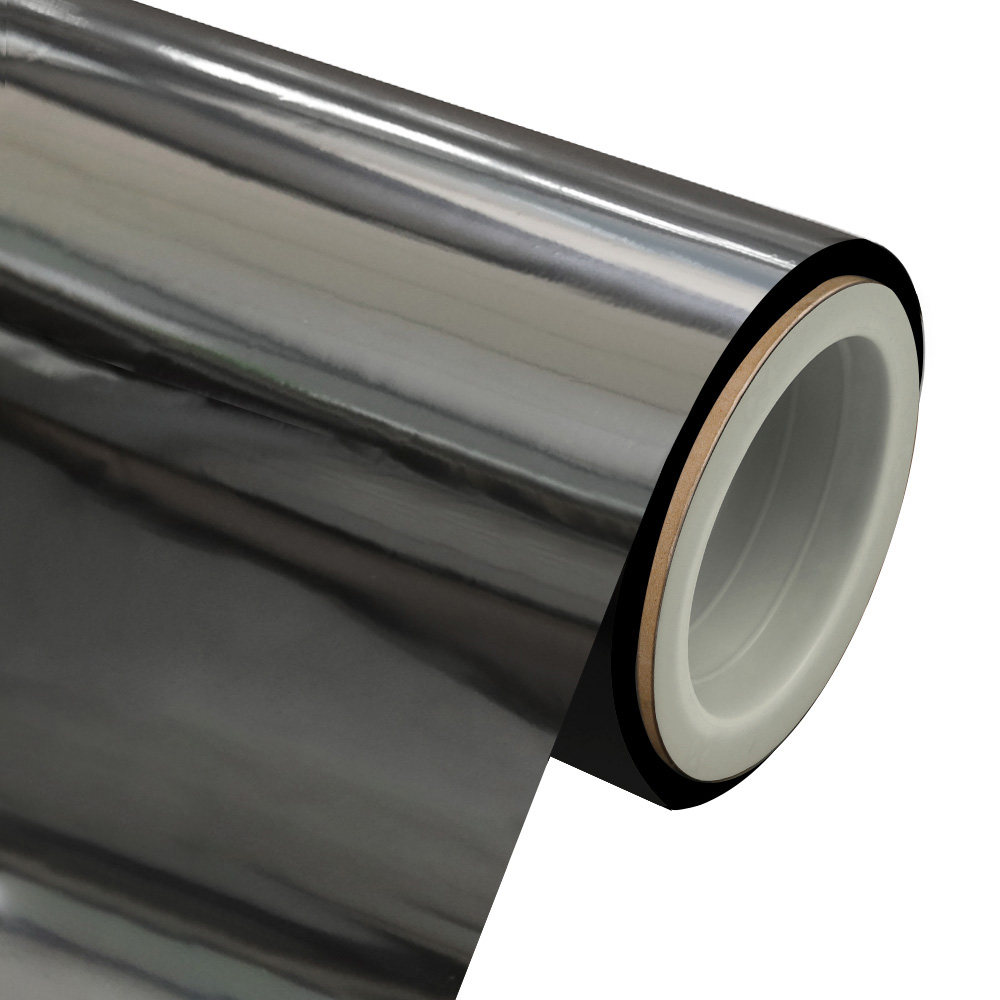
- Snacks and biscuits: These products primarily need moisture protection. A barrier layer with moderate OTR and low WVTR is enough. Our normal metallized PET film is a cost-effective solution for this segment, offering stable coating adhesion and consistent quality for lamination.
- Coffee, tea, and dairy powders: These require extended shelf life and protection against oxygen and aroma loss. For this category, a high-barrier metallized PET film with OTR below 2 cc/m²·day is recommended. Our high-barrier metallized PET film is engineered to meet such demanding requirements, and it performs well when laminated with a suitable sealing layer.
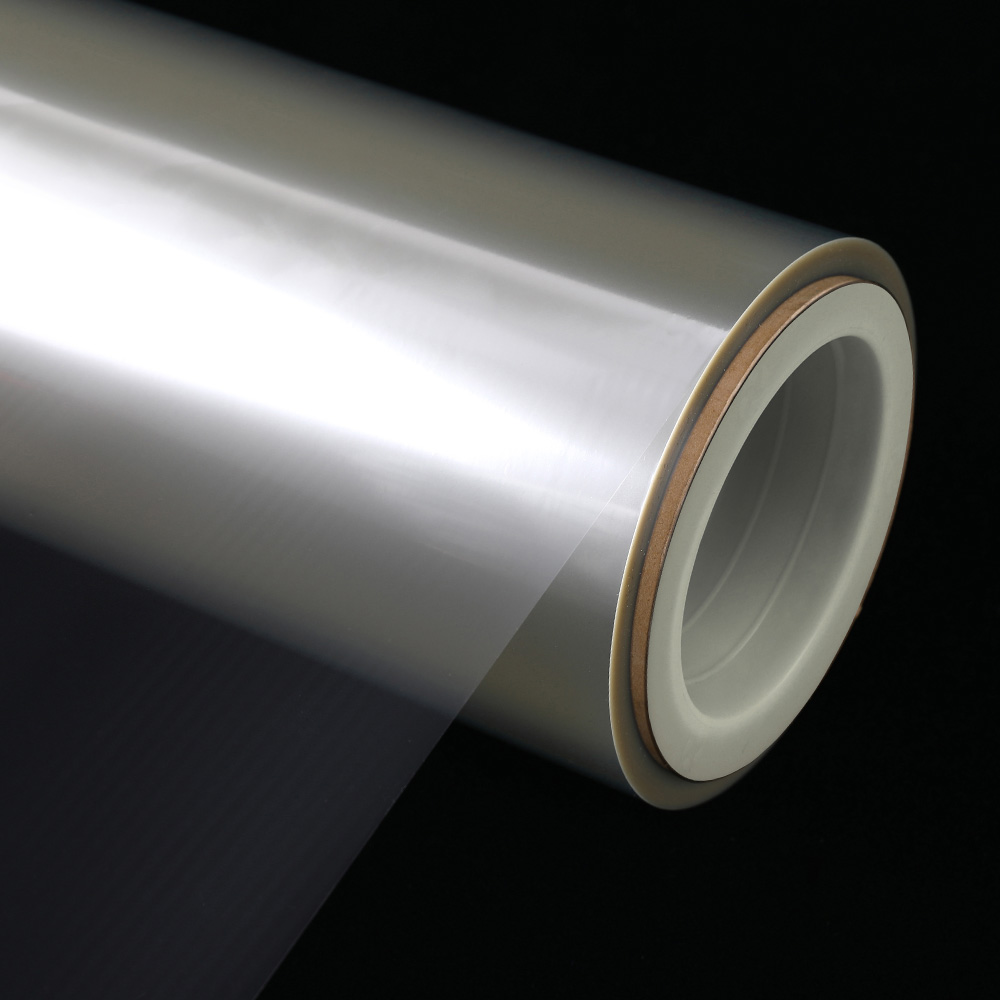
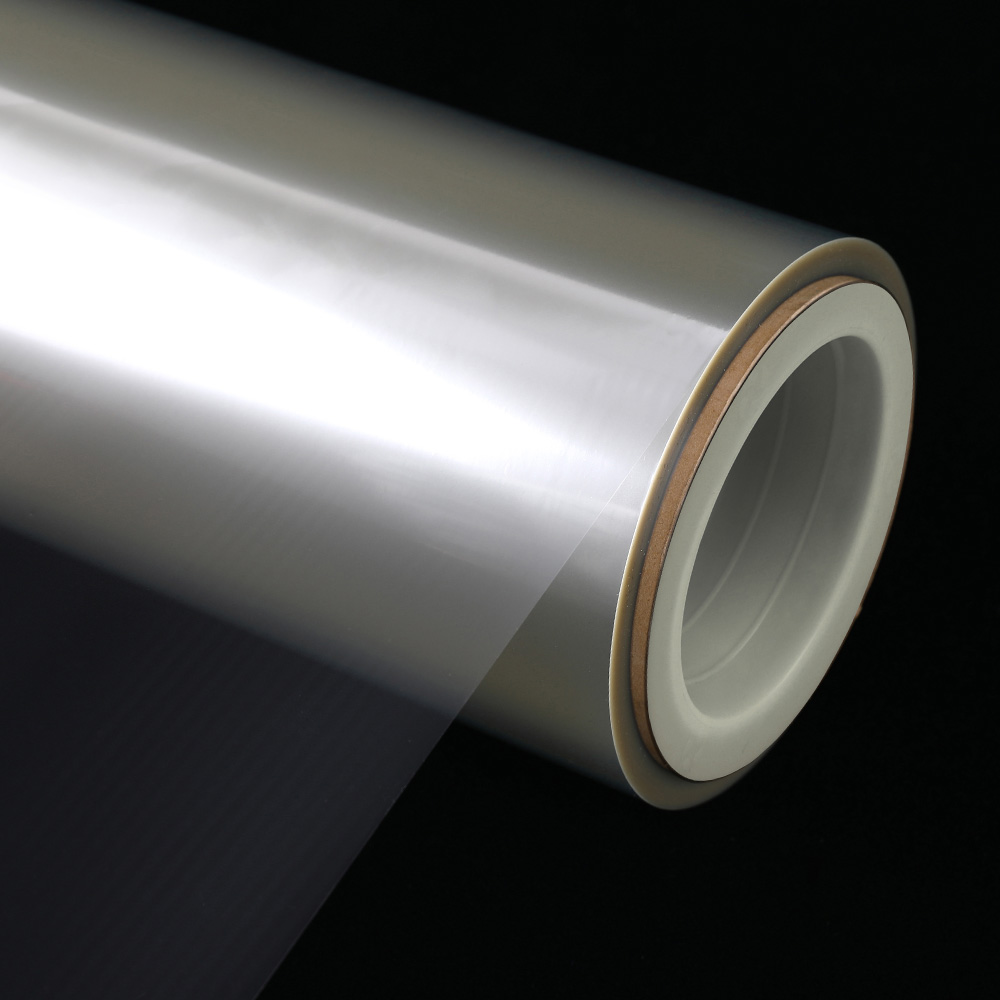
- Transparent high-barrier packaging: For premium snack mixes, dried fruits, or products where visual appeal drives purchase decisions, ALOX PET film offers a transparent barrier. The aluminum oxide coating blocks oxygen and water vapor while keeping product visibility intact.
When designing the overall structure, the converter must also assess how the chosen layers behave during lamination. If you are planning the construction from scratch, the article on how to make an excellent flexible packaging explains the key coordination points between layers and will help you avoid common structural mistakes.
Selection Criteria and Common Procurement Risks
Buying metallized or coated films for flexible packages involves more than checking a datasheet. The most frequent problems on converting lines are linked to material specifications and consistency:
- Narrow heat-sealing windows that slow down form-fill-seal machines;
- Fluctuating friction coefficients that cause film slippage or jamming during bag making;
- Insufficient surface tension that leads to ink adhesion failures;
- Batch-to-batch variation in coating weight that alters barrier performance.
To reduce these risks, assess potential film suppliers on four operational criteria:
- Complete physical property data: OTR, WVTR, heat-seal strength, coefficient of friction, and printability indicators.
- Process control and traceability: online tension control, coating weight monitoring, and batch records that show consistency.
- Regulatory compliance: ISO9001 quality management, plus FDA and SGS test reports when the package enters food-contact use.
- Customization capability: options such as chemical treatment, partial metallization, color coating, or double-sided corona treatment for specialized print and lamination needs.
A technical overview of VMPET and ALOX coated films shows that each solution offers distinct advantages. The final choice should be aligned with the packaging environment, the filling and sealing process, and the product's shelf-life target—not driven by a single barrier number on a spec sheet.
Frequently Asked Questions
Q1: What is the difference between flexible packaging and rigid packaging?
Flexible packaging is made from thin, pliable films that adapt to the shape of the product and use less space during transport and storage. Rigid packaging, such as metal cans and glass jars, provides more physical protection but is heavier and bulkier.
Q2: Can flexible packages still be transparent while achieving high barrier performance?
Yes. ALOX PET film uses an aluminum oxide coating to provide oxygen and moisture barrier while keeping the film transparent. It is an effective choice for products that need visual appeal without compromising shelf life.
Q3: How do I choose between metallized PET film and ALOX film?
If the product does not require transparency, metallized PET film is the more economical option. If transparency matters—such as for displaying dried fruit, nuts, or premium snacks—ALOX film delivers a comparable barrier while keeping the contents visible. Evaluate decorative needs alongside barrier requirements before making the final selection.

Are you ready to work with us?
Start a project
- Quick Links
- Company Profile
- Company Culture
- Qualification
- FAQ
- Product
- ALOx Films
- VMPET
- VMCPP
- VMBOPP
- Coated Film
- Contact Us
- Tel: +86-13456263964
-
Phone : +86-0573-87783633
Phone : +86-0573-87780583 - E-mail : [email protected]
- Address: 6th Xinhe Road, Xieqiao Town, Haining City, Zhejiang Province, China

